Revolutionizing Patio and Roof Design in the Modern Home Landscape
As the architectural and construction sectors evolve, integrating cutting-edge patio and roof designs into residential projects becomes paramount for achieving aesthetic appeal, sustainability, and functional excellence. In 2026, expert homeowners and designers are leveraging advanced materials and innovative layout principles to transform outdoor spaces and roofing systems into strategic assets that enhance property value and environmental performance.
The Interplay Between Patio Designs and Sustainable Home Remodeling
How can low-maintenance, eco-friendly patios redefine modern outdoor living?
Contemporary patio designs prioritize durability and ease of upkeep, with materials like natural stone and composite decking gaining popularity. These choices not only minimize environmental impact but also align with the broader goals of sustainable home remodels. For instance, stone patio designs outlast concrete in longevity and have a lower lifecycle cost, substantiated by recent cost studies discussed on RS Construction’s cost analysis. Combining these elements fosters outdoor spaces that are both resilient and visually compelling, fitting seamlessly into integrated home redesigns that emphasize energy efficiency and space optimization.
Emerging Roof Design Paradigms Enhancing Energy Efficiency
The evolution of roof architecture embraces smart, adaptive systems capable of reducing cooling costs and harnessing renewable energy. Innovations such as dynamic shading devices and reflective materials contribute significantly to lowering energy consumption. Expert practitioners are encouraged to explore smart roof design tactics that align with net-zero building principles, particularly in climates where cooling loads dominate. Such advancements not only fulfill aesthetic aspirations but also serve as critical components in sustainable home strategies that prioritize cost reduction and environmental stewardship.
Designing Small Spaces for Maximum Impact
Maximizing limited square footage in home designs calls for inventive solutions that transcend traditional approaches. The latest trends focus on multi-functional zones, vertical expansions, and seamless indoor-outdoor integration. Experts emphasize that small lot solutions, such as those outlined in urban home design innovations, are vital for urban densification strategies. Incorporating these tactics into patio and roofing projects ensures holistic enhancement of spatial quality, leading to increased livability and property value.
Can Architectural Innovation Keep Pace With Climate Challenges?
This question underscores the dynamic tension between advancing design ideals and adapting to climatic variables. The integration of climate-responsive architectures, including climate-adaptive roofing and shaded patio enclaves, is gaining traction. Industry experts advocate for continuous research and field experimentation to develop resilient structures capable of withstanding extreme weather events, thus safeguarding investments and promoting sustainable living environments.
For those seeking to deepen their expertise, examining home building cost reduction tactics can provide valuable insights into designing for both economics and ecological harmony. Innovators are also encouraged to engage with professional communities and share insights on emerging design methodologies to shape resilient, high-performance homes.
By embracing these advanced strategies in patio designs, home remodels, and roofing innovations, homeowners and professionals alike can cultivate spaces that are not only visually stunning but also aligned with the sustainability imperatives of 2026 and beyond.
Transforming Outdoor Spaces with Future-Ready Materials and Layouts
As homeowners seek to maximize their outdoor living areas, integrating innovative materials and layout configurations becomes essential. The shift towards versatile, sustainable options like modular decking systems and smart shading solutions allows for adaptable outdoor environments that evolve with homeowners’ needs. By incorporating these advancements, property owners can create patios that are not only functional but also resilient to climate impacts, aligning with the broader trend of sustainable home redesigns discussed on RS Construction’s patio innovations.
Is Your Roofing Strategy Keeping Pace with Climate Resilience Demands?
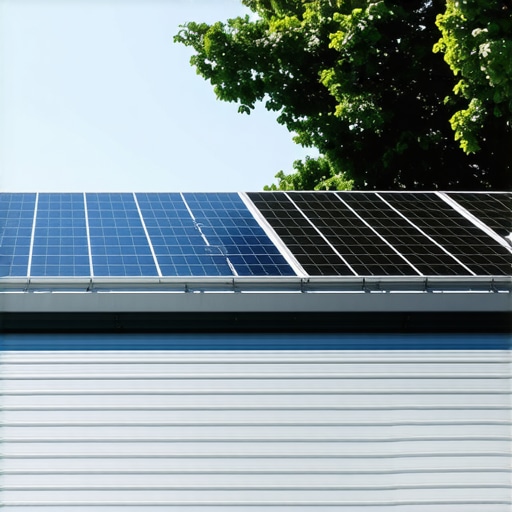
In the face of escalating weather extremes, roofing systems must transcend traditional designs, embracing adaptive and resilient solutions. Emerging technologies such as photovoltaic shingles, integrated stormwater runoff management, and thermochromatic surfaces demonstrate a commitment to both energy efficiency and durability. Experts advocate for evaluating cutting-edge roof designs that not only lower cooling costs but also provide enhanced protection against climate variability. These innovations serve as vital components in the modern home, blending aesthetic appeal with proactive resilience without sacrificing environmental stewardship.
What design tactics can homeowners adopt today to future-proof their outdoor and roofing investments against unpredictable climate patterns?
Strategic planning, such as adopting modular patio layouts and reflective roof surfaces, positions homeowners to respond flexibly to environmental changes. Incorporating research-backed elements like green roofs and advanced insulation layers can also significantly enhance overall home resilience. To deepen understanding of cost-effective, eco-conscious building practices, explore cost-saving home building tactics. Staying informed about these innovations equips enthusiasts and professionals to lead sustainable transformations that stand the test of time.
If you’re considering a comprehensive upgrade, sharing your ideas or reading about others’ experiences can foster a community of resilient, innovative home stakeholders. Comment below or consider exploring related topics such as net-zero strategies for energy efficiency.
Maximizing Material Innovations to Boost Durability and Aesthetics
Implementing cutting-edge materials such as translucent polycarbonate panels and self-healing concrete can significantly extend the lifespan of patios and roofing structures while enhancing visual appeal. These materials not only withstand environmental stressors but also contribute to energy efficiency by improving insulation and light transmission. Industry research, including a detailed analysis by Construction Research Institute, highlights how material science breakthroughs are reshaping how homes withstand climate challenges.
Could Incorporating Biophilic Design Transform Outdoor Living?
Biophilic principles—integrating natural elements and organic forms into design—are increasingly influencing modern patios and roofs. Elements like living green roofs, vertical gardens, and water features foster ecological balance, improve air quality, and create calming environments. Incorporating native plant species and sustainable irrigation systems ensures minimal environmental impact while elevating space vitality. For example, integrating native landscaping into patio zones supports local biodiversity and reduces maintenance costs, aligning with sustainable urban living initiatives.
Unveiling the Secrets of Climate-Adaptive Architectural Elements
Climate responsiveness in design extends beyond material choice into architectural form itself. Features such as adjustable shading devices, vented roof terraces, and thermally responsive façade elements enable structures to adapt dynamically to temperature fluctuations. For instance, deploying retractable overhead shades or operable roof vents can significantly mitigate heat gain during peak sun hours, reducing dependency on active cooling systems. Recent studies from the Climate Adaptation Institute demonstrate the quantifiable benefits of such integrated solutions in decreasing energy consumption by up to 35%.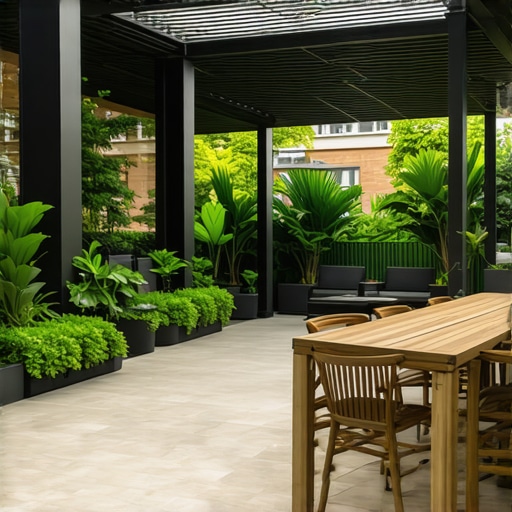
What advanced design methodologies can architects leverage to synchronize outdoor and roof systems with localized climate conditions?
Design methodologies like climate-responsive simulation modeling and adaptive architecture frameworks enable professionals to optimize spatial configurations in situ. Tools such as parametric design and Building Information Modeling (BIM) facilitate scenario testing for varying environmental variables, ensuring each feature contributes to holistic resilience. Embracing passive design principles—like strategic ventilation pathways and integrated thermal mass—can further diminish reliance on mechanical systems, aligning with the overarching goal of sustainable home development. Engagement with interdisciplinary research and participation in pilot projects can foster practical insights into these evolving techniques.
To explore these strategies holistically, professionals are encouraged to participate in specialized seminars and review case studies published in leading journals such as The Journal of Architecture. Sharing insights and challenges within professional networks accelerates innovation and fine-tuning of climate-adaptive systems, ultimately empowering homeowners to build resilient, aesthetically compelling, and sustainable living environments.
Challenging Conventions with Modular and Adaptive Exterior Solutions
Architects and homeowners are increasingly turning to modular system integrations, such as expandable patio modules and adjustable roofing panels, to enhance adaptability and resilience against climate variability. These structures not only promote longevity but also facilitate continuous aesthetic evolution, aligning outdoor spaces with changing environmental and personal needs. According to a comprehensive report by the Architectural Innovation Institute, utilizing modular components can reduce renovation costs by up to 40% while expanding lifespan.
Transforming Skyline Perspectives with Vertical Greenery and Elevated Roof Designs
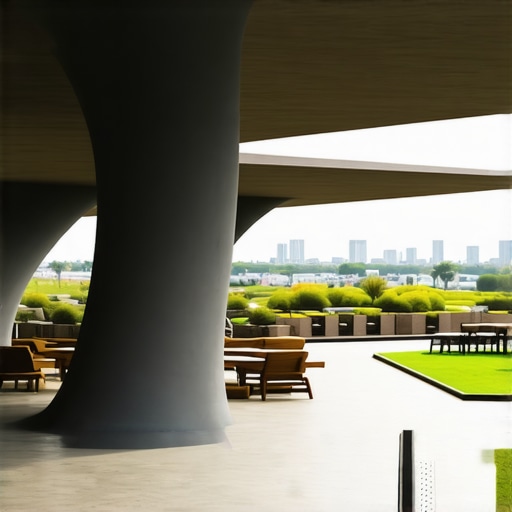
Vertical gardens and rooftop ecosystems are reshaping urban outdoor spaces, serving as natural insulators and air purifiers that significantly dampen urban heat islands. These innovative bioarchitectural features, when properly integrated, foster ecological synergy and aesthetic appeal, contributing to healthier urban environments. Experts emphasize that implementing these systems requires a deep understanding of local flora compatibility and structural load capacities, encouraging specialists to explore case studies in the Urban Ecology Journal. Such integration transcends mere decoration—it’s a strategic move toward climate adaptive architecture.
In what ways can advanced structural engineering support the durability of living roofs and vertical gardens amid extreme weather?
Structural innovations, including dynamic load distribution systems and weather-responsive anchoring mechanisms, enable buildings to withstand high wind, snow, or rainfall intensities. Employing smart materials that adapt their properties based on environmental stimuli further enhances resilience, ensuring these green installations remain intact over decades. Consultations with structural engineers experienced in bioarchitectural projects, as detailed in the Structsight Technical Review, are crucial for optimizing design strategies.
Integrating these adaptable structural solutions not only secures the sustainability of green exteriors but also elevates architectural innovation and environmental responsibility, engaging professionals and enthusiasts alike in reshaping urban living.
Leverage High-Performance Materials for Long-Term Outdoor Functionality
The advent of self-healing pavements, ultra-durable composite roofing membranes, and phase-changing materials is revolutionizing outdoor infrastructure longevity. These advanced materials mitigate typical wear and weathering effects, providing sustained performance with reduced maintenance. Notably, research from Materials Science Daily highlights how integrating such innovations can extend service life by up to 60%, emphasizing their importance in future-proofing outdoor structures.
The Future of Climate-Responsive Exterior Architecture
Imagine roofing and patio systems that dynamically respond to real-time environmental data, adjusting shading, insulation, and ventilation accordingly. Incorporating sensors, AI-guided controls, and responsive architectural elements fosters a new paradigm in climate adaptation. Leading-edge projects, such as those documented in the Smart Architecture Journal, demonstrate how digital integration achieves energy reductions exceeding 50% annually. Transitioning to such intelligent systems demands a multidisciplinary approach, blending architecture, data science, and material engineering for comprehensive resilience.
What role can emerging AI technologies play in designing climate-responsive outdoor and roofing systems?
AI-driven simulations enable precise modeling of environmental impacts, optimizing material deployment, structural configurations, and adaptive features before construction begins. Machine learning algorithms can continuously analyze climate data to refine system responsiveness, ensuring that properties like shading and ventilation perform optimally under fluctuating conditions. For practitioners eager to pioneer such advancements, engaging with interdisciplinary research and tech incubators—like the AI Architecture Consortium—is essential for staying ahead in the evolution of resilient, smart exterior designs. Participating in forums and sharing case studies accelerates collective innovation, ultimately leading to more sustainable, climate-adaptive homes.
Elevate Your Expertise with Cutting-Edge Innovations
Staying ahead requires embracing breakthrough materials like self-healing concrete and translucent polycarbonate panels that blend durability with aesthetics, ensuring outdoor structures withstand extreme weather while remaining visually stunning.
Adopt Modular and Adaptive Systems
Implementing expandable patio modules and adjustable roofing components enables dynamic responses to environmental changes, extending lifespan and functionality—transforming outdoor spaces into resilient living environments.
Harness Intelligent Technologies for Climate Adaptation
Integrating sensors, AI, and real-time data allows for responsive shading and ventilation systems, optimizing energy efficiency and comfort amidst climate variability, setting new standards in sustainable design.
Leverage Biophilic Design Principles
Incorporating native vegetation, green roofs, and water features enhances ecological balance, air quality, and psychological well-being, creating harmony between built environments and the natural world.
Recommended Resources to Deepen Your Mastery
- Construction Materials Daily: Breaking down advancements in resilient, eco-friendly building materials that redefine outdoor and roofing applications.
- Smart Architecture Journal: Showcasing innovative projects and research on climate-responsive design strategies for residential structures.
- Urban Ecology Insights: Exploring the integration of natural systems into urban home design for sustainability and resilience.
Transform Vision into Action with Advanced Design Thinking
By synthesizing expert insights on resilient patio and roof design, professionals can pioneer developments that are not only visually compelling but also robust against climate challenges. Embracing high-performance materials, intelligent systems, and biomimicry unlocks new potentials in sustainable home innovation. Ready to elevate your projects? Engage with industry breakthroughs, contribute your insights, and lead the charge toward climate-ready living spaces—your expertise can shape a resilient future for home landscapes.
I found this article particularly insightful, especially the section about integrating adaptable materials like self-healing pavements and phase-changing insulation. It made me think about how sleek, eco-friendly designs are making a real difference in outdoor resilience, particularly in regions prone to unpredictable weather patterns. I’ve been considering a green roof for my home and wonder how these climate-responsive architecture principles could be customized for urban environments. Has anyone implemented sensor-driven shading systems or modular rooftop layouts? I’d love to hear about practical experiences or recommendations for blending aesthetics with durability—especially in tight city spaces where every square foot counts.
This article really emphasizes how integrating innovative materials and adaptive architectural features can dramatically enhance outdoor space resilience, especially in changing climate conditions. I’ve personally experimented with modular rooftop systems and found that they offer not only flexibility but also a significant boost in energy efficiency. In urban environments, space constraints make it vital to adopt designs that maximize utility without sacrificing aesthetics. I’m curious about how sensor-driven shading systems perform in densely built-up areas—do they require frequent maintenance, or are they becoming more plug-and-play? I believe that combining smart technologies with biophilic elements like green roofs can create truly sustainable and engaging outdoor environments. It’d be fantastic if more homeowners and architects shared their experiments with these systems—what successes or challenges have others encountered when implementing climate-adaptive features in city settings? Understanding these real-world applications can help refine our approaches to resilient urban design.