Harnessing the Power of Expert Home Design for Compact Urban Lots
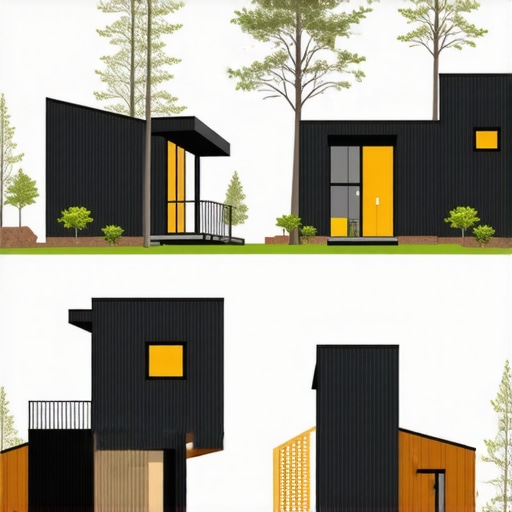
In the rapidly evolving landscape of urban development, innovative home designs tailored to small lots have transitioned from niche solutions to essential strategies for maximizing spatial efficiency without compromising aesthetic appeal. Professionals in the field recognize that the convergence of multifunctional layouts, vertical expansion, and sustainable materials is transforming the way we conceptualize home remodel and home building projects for constrained lots.
Advanced Tactics in Roof and Patio Configurations to Elevate Small Lot Living
Integrating sophisticated roof designs, such as exposed beam structures or green roofs, not only enhances curb appeal but also improves insulation and stormwater management, exemplifying cutting-edge roof design innovations tailored to urban residences. Similarly, optimized patio configurations employ space-saving multi-use furniture and strategic landscape integration, providing outdoor functionality within limited footprints.
The Role of Intelligent Floor Plans in Height-Conscious Home Designs
Strategic home designs that prioritize vertical expansion—such as second-story additions or compact lofts—demand meticulous planning. Incorporating modular components and convertible spaces creates adaptable environments that respond dynamically to lifestyle needs, a critical consideration in home remodel projects aimed at small-lot contexts. Embracing these techniques enables architects and homeowners alike to reconcile spatial limitations with the aspiration for distinctive, comfortable living environments.
Can Structural Innovation Overcome Small Lot Constraints?
What emerging architectural techniques are most effective in optimizing small lot development without sacrificing quality or style?
Field experts advocate for the integration of innovative structural systems such as cross-laminated timber (CLT) modules, which facilitate rapid assembly and extend design flexibility. Additionally, computational modeling and parametric design tools are crucial in fine-tuning complex geometries that maximize natural light and airflow—factors essential in dense urban settings. As noted in the Journal of Architecture, these approaches not only elevate building performance but also set new standards for urban home building.
For professionals seeking to stay at the forefront of these developments, engaging with the latest literature and peer exchange is invaluable. Exploring common pitfalls in custom home building offers insight into pitfalls to avoid, ensuring that innovative designs are grounded in practical robustness.
To contribute your expertise or exchange insights on space-maximizing strategies, consider joining industry forums or professional networks dedicated to small-lot urban housing solutions.
Reimagining Small Lot Home Designs with Smart Technology Integration
Incorporating smart home technology into compact urban residences offers homeowners unprecedented convenience, energy efficiency, and security. Automated lighting, climate control, and security systems can be seamlessly integrated into space-conscious layouts, maximizing functionality without cluttering living areas. Notably, advances in building automation can reduce utility costs and improve sustainability—an essential consideration given rising urban energy demands. For more insights on maximizing efficiency, explore smart roof designs that complement a holistic approach to eco-friendly urban living.
Is Modular Construction Revolutionizing Small-Scale Urban Housing?
Modular building techniques are gaining momentum as a viable solution to the challenges posed by small lot constraints. Prefabricated modules allow for rapid onsite assembly, reduced waste, and design flexibility, enabling architects to create tailored solutions for diverse urban contexts. This approach aligns perfectly with the need for scalable and adaptable housing, especially when coupled with sustainable materials like cross-laminated timber (CLT). Such advancements not only shorten construction timelines but also foster innovation in home building practices. As cities evolve, embracing modular construction can lead to more resilient and responsive urban neighborhoods.
How Can Landscape Design Extend Living Spaces Beyond Four Walls?
Transforming limited outdoor areas into functional, inviting spaces is central to enhancing urban small-lot homes. Thoughtful landscape design—incorporating vertical gardens, multi-purpose planters, and compact recreational zones—can significantly augment usable space and aesthetic appeal. Additionally, integrating eco-friendly features like rain gardens and permeable pavements supports urban sustainability goals. For instance, a well-designed rooftop garden not only promotes biodiversity but also improves insulation, contributing to lower energy costs. Interested in innovative exterior solutions? Discover more about materials and designs that elevate outdoor living at patio design ideas.
What Will the Next Decade Bring for Urban Home Innovation?
Emerging architectural techniques and technological advancements continue to challenge the traditional notions of urban residential design. With evolving standards emphasizing sustainability, adaptability, and aesthetic appeal, experts are exploring new frontiers in home remodel and home building. Keeping abreast of these trends ensures that professionals and homeowners alike can confidently pursue projects that are not only functional but also future-proof. To deepen your understanding of strategic planning, review common pitfalls in custom home construction and learn how to avoid costly errors that can compromise your vision.
Revolutionizing Construction Material Selection for Urban Tiny Homes
As the demand for efficient urban housing surges, so does the need for cutting-edge construction materials that marry durability, sustainability, and design flexibility. Advances such as engineered timber composites like cross-laminated timber (CLT) not only provide renewable alternatives to traditional steel and concrete but also enable prefabrication that accelerates project timelines. Professionals leveraging these materials can craft lightweight yet resilient structures capable of supporting complex geometries and innovative facade systems, vital for small lot aesthetics and performance.
How do emerging composite materials challenge traditional building paradigms?
Recent innovations in composite and bio-based materials are pushing the boundaries of what’s feasible in small urban residences. For instance, fiber-reinforced polymers (FRPs) have shown extraordinary resistance to environmental stressors while maintaining low weight, enabling more daring architectural expressions without the typical structural limitations. According to the Journal of Advanced Building Materials, such materials facilitate thinner wall assemblies and innovative load-bearing components, reducing overall building mass and footprint—a critical advantage in dense urban environments.
Embracing such materials demands not only an understanding of their mechanical properties but also careful integration into existing codes and standards. Architects and engineers must collaborate closely with material scientists and regulatory bodies to ensure compliance without stifling innovation. Consequently, the future of small-lot urban home design hinges on a symbiotic relationship between material science breakthroughs and pragmatic regulatory adaptation.
Bridging Sustainability and Structural Resilience with Nanotechnology
Nanotechnology is emerging as a transformative force in urban home construction, enabling the development of super-strong, self-cleaning, and thermally efficient materials. Nano-enhanced coatings and composites can significantly enhance weather resistance while minimizing maintenance requirements—essential qualities for the often-overlooked exterior surfaces of small lot dwellings.
For example, nanoparticle-infused glazing can dramatically improve thermal insulation, reducing heating and cooling loads. Beyond energy efficiency, nanomaterials can provide self-healing capabilities—responding to micro-cracks or environmental damage—thus extending the lifespan of the structure and decreasing lifecycle costs. A report by the Nanowerk Nanotechnology Research Portal underscores how integrating nanotech into building materials is a game-changer for urban resilient architecture.
This convergence of nanotechnology and sustainable design underscores a paradigm where small-scale urban housing becomes not just about space maximization but about creating ecosystems that are inherently adaptive, self-repairing, and aligned with long-term environmental goals.
Harnessing Computational Design for Material Optimization and Spatial Efficiency
The advent of sophisticated computational tools allows for precise modeling of material behavior, thermal performance, and structural responses—particularly advantageous in the constrained footprints of urban tiny dwellings. By employing parametric design softwares such as Rhino/Grasshopper or Autodesk Generative Design, architects can simulate myriad configurations, optimizing material usage, load paths, and environmental performance in a virtual environment.
For instance, these tools can help determine the minimal material matrix necessary for structural integrity, thereby reducing waste and material costs. They also facilitate the integration of passive systems—such as natural ventilation pathways—by analyzing airflow patterns relative to material placement. As noted by the Architect Magazine, computational design elevates the role of material science from static to dynamic, empowering architects to develop responsive, innovative, and sustainable small-lot solutions.
Looking ahead, the fusion of AI-driven generative algorithms with material science data will unlock unprecedented possibilities in creating bespoke materials and structural assemblies tailored precisely to project-specific constraints and aspirations. For professionals committed to small-lot urban innovation, staying abreast of these emerging capabilities is not optional—it is imperative for shaping the future of city living.
Unlocking Architectural Potential via Next-Generation Material Science
In the relentless pursuit of optimized urban residences, the integration of emergent composite and nanotechnologies becomes pivotal. Innovations such as bio-based polymers and nano-enhanced concretes are redefining the boundaries of what’s feasible in small-lot architecture, offering unprecedented structural resilience and environmental responsiveness. These materials allow for ultra-thin, lightweight load-bearing elements that do not compromise on strength, facilitating daring facades and adaptable interior configurations.
How are nanomaterials driving a new era of resilient, energy-efficient urban homes?
For instance, nanostructured coatings, infused with photocatalytic properties, enable self-cleaning exteriors that reduce maintenance costs while improving aesthetic longevity. According to Nanowerk’s insights, the ability of nanomaterials to optimize thermal insulation and acoustic performance signifies a profound step in creating sustainable, comfortable urban environments within compact footprints. Architects and engineers leveraging these advances can craft structures that are both avant-garde and future-proof, aligning with escalating environmental standards.
Harnessing Advanced Geometries through Computational Innovation
Pairing material breakthroughs with computational design tools unlocks an array of architectural possibilities. Generative algorithms, augmented by AI, facilitate the exploration of complex geometries optimized for thermal efficiency, daylighting, and passive ventilation. These digital strategies enable the precise tailoring of structural components to minimize material wastage, a crucial advantage when working within dense urban contexts with strict zoning constraints.
Researchers from Architect Magazine highlight how such integrated approaches lead to smarter, more responsive environments—where form follows function, and performance is maximized with minimal resource expenditure. This convergence of design and technology exemplifies a new professionalism rooted in scientific rigor and artistic vision.
Reimagining Urban Concealment through Cultivated Landscape Strategies
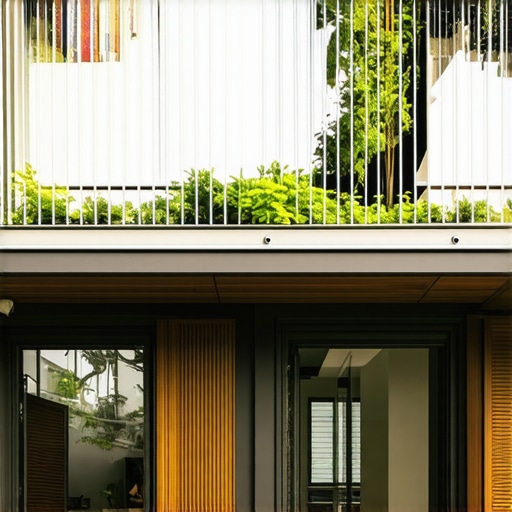
Urban landscapes are often perceived as restricted, yet contemporary landscape design transforms these constraints into opportunities for innovation. Vertical gardens, living walls, and multilayered roof terraces can serve as thermal insulators, microclimate enhancers, and visual buffers, effectively extending indoor living spaces into the outdoors. These strategies, underpinned by sustainable irrigation systems and native plant palettes, foster biodiversity and environmental health.
#IMAGE_PLACEHOLDER_D#
Incorporating lush, layered greenery into small plots not only elevates aesthetic appeal but also mitigates urban heat island effects—contributing substantially to ecological resilience. For practitioners aiming to maximize limited outdoor spaces, engaging with landscape architects proficient in integrative, eco-centric designs is essential.
What Role Will Automated Fabrication Environments Play in Shaping Future Skylines?
The advent of robotic construction and automated fabrication platforms heralds a paradigm shift in urban development. These technologies allow for rapid, precise assembly of complex structures, including bespoke facades and intricate interior partitions, often in tandem with sustainable material use. As detailed in Research on Innovative Building Materials, such automation reduces waste and carbon footprint while enabling on-demand customization—cornerstones for small lot urban housing.
This strategic adoption fosters a landscape where architectural expression is no longer limited by traditional construction methods but expanded through digital fabrication, resulting in highly adaptable, resilient, and visually compelling residences.
Engage with the Future of Urban Home Design
Professionals invested in pioneering urban architecture should actively seek interdisciplinary collaborations that blend material science, computational design, landscape innovation, and robotics. Continuous education, participation in industry symposia, and staying abreast of emerging research—such as nanomaterials’ applications—are crucial for maintaining a competitive edge. Harnessing these advancements ensures that small-lot urban dwellings are not only functional but also emblematic of cutting-edge sustainability and aesthetic sophistication, shaping the resilient cities of tomorrow.
,
Expert Insights & Advanced Considerations
Embrace Modular Flexibility to Accelerate Growth
Implementing modular construction techniques like prefabricated units enables rapid deployment and customization within tight urban spaces, minimizing disruption while maximizing design potential.
Prioritize Adaptive Spaces to Enhance Lifestyle Diversity
Designing convertible interiors through strategic layout planning allows small homes to evolve with residents’ needs, offering flexibility without compromising aesthetic integrity.
Leverage Sustainability for Long-Term Resilience
Integrating eco-friendly materials and energy-efficient systems not only reduces environmental impact but also ensures durability and cost savings, essential for future-proof urban living.
Optimize Vertical Elements for Spatial Efficiency
Vertical expansion techniques, such as lofts and rooftop gardens, extend usable space and improve air quality, turning limitations into opportunities for innovative design.
Explore Intelligent Automation for Smart Homes
Embedding automation technology enhances convenience, security, and energy management, transforming compact residences into sophisticated urban ecosystems.
Curated Expert Resources
- Journal of Architecture: Offers cutting-edge research on urban residential design innovations, providing insights into emerging architectural practices.
- Architect Magazine: Features in-depth articles on computational design and material Science breakthroughs, linking technology directly to practical applications.
- Nanowerk Nanotechnology Research Portal: Delivers comprehensive updates on nanomaterials that are redefining structural resilience and sustainability in architecture.
- Research on Innovative Building Materials: Provides detailed analysis of advanced composites and bio-based polymers shaping the future of urban housing.
Final Expert Perspective
At the intersection of innovative materials and cutting-edge design, expert practitioners are transforming small-lot urban homes into resilient, sustainable, and highly functional spaces. Harnessing this knowledge through continual learning and strategic application positions professionals to lead in the evolution of city living. Your insights and engagement are vital—join the conversation to shape the future landscape of urban residential architecture.