Elevating Home Aesthetics with Cutting-Edge Design Trends
In the rapidly evolving landscape of residential architecture, homeowners and builders seek innovative solutions that combine aesthetic appeal with functional efficiency. The integration of sophisticated home designs, such as seamlessly blending interior renovations with exterior patio enhancements, has become crucial for maximizing property value and user experience in 2026. Advanced materials and smart technology are redefining expectations, enabling more personalized and sustainable living environments.
Advanced Approaches to Space Optimization and Material Innovation
How Can Emerging Materials Transform Small Bath Remodels in Urban Settings?
Space-saving trends, exemplified by the recent 7 Small Bath Remodel Trends That Save Space in 2026, reflect a nuanced understanding of spatial psychology and material efficiency. Incorporating lightweight, durable, and eco-friendly materials allows designers to craft compact yet luxurious bathrooms that meet high aesthetic standards. Furthermore, multifunctional fixtures and innovative storage solutions address the dual needs of functionality and style. These advancements demonstrate a sophisticated application of design psychology and material science to improve everyday usability.
Synergizing Roof and Patio Designs for Energy Efficiency
Integrating roof design with outdoor living spaces opens new avenues for energy conservation and aesthetic enhancement. The recent focus on smart roof designs tailored for climate adaptability illustrates how comprehensive planning minimizes cooling and heating costs. For instance, the 6 Smart Roof Designs to Lower Your Cooling Bills in 2026 exemplifies strategies that blend aesthetics with performance, leveraging reflective coatings, proper insulation, and strategic shading to optimize environmental comfort.
Revolutionizing Home Extensions for Maximal Footprint
Home extensions have emerged as vital components for expanding living spaces without sacrificing design coherence. Projects that prioritize structural integrity and stylistic consistency can significantly elevate property value. According to recent industry analyses, integrating natural light and open-plan layouts during extensions fosters a sense of spaciousness and modernity, aligning with ongoing trends in minimalist yet functional home building (5 Home Extension Projects That Add Real Square Footage in 2026).
The Future of Sustainable Roof Designs and Building Materials
Adopting green roofing solutions and sustainable materials is at the forefront of responsible home building. These innovations reduce environmental impact while enhancing durability. Notably, the debate surrounding traditional versus modern roofing materials, such as stone and metal, underscores the importance of long-term cost analysis (Why Stone Patio Designs Outlast Concrete in 2026 Cost Study). Such knowledge equips stakeholders to make informed decisions aligned with sustainability goals.
How Can Expert-Driven Design Choices Enhance Property Value?
Choosing the right combination of home, patio, and roof designs involves a complex interplay of aesthetics, durability, and environmental considerations. Incorporating expert insights ensures that renovation and construction efforts lead to tangible improvements in property value and livability. To stay at the forefront, practitioners must continuously evaluate emerging trends and adapt their strategies accordingly. For further insights on integrating these aspects seamlessly, consult authoritative sources like the U.S. Department of Energy’s guidelines on energy-efficient building practices.
Professionals are encouraged to contribute their experiences and insights on these transformative trends, fostering a community dedicated to advancing sustainable, innovative home design strategies for the future.
Maximizing Curb Appeal with Personalized Facade Enhancements
Transforming the exterior of your home can significantly boost its visual impact and market value, especially when tailored to contemporary design trends. Incorporating distinctive facade features, such as innovative siding materials, dynamic color schemes, or statement entryways, offers a compelling way to stand out in a competitive market. Experts recommend blending traditional craftsmanship with modern technology—like energy-efficient window systems—to create a cohesive and sustainable aesthetic. For inspiration, explore detailed guides on modern designs that maximize small lots in 2026, highlighting how thoughtful facade upgrades can elevate your home’s character without extensive overhaul.
Unlocking Hidden Potential Through Interior Space Reimagining
Rethinking interior layouts with an emphasis on flexibility and adaptability is crucial for future-proofing homes. Multi-purpose rooms, retractable walls, and smart storage solutions are no longer optional—they are essential for optimizing space in urban environments or properties with limited footprints. Incorporating smart home integration, such as automated lighting and climate control, enhances functionality while reducing energy consumption. Leveraging insights from architectural psychology helps create environments that promote well-being and productivity, emphasizing the importance of holistic interior design. For additional ideas on efficient remodeling, see small bath remodel trends for space-saving in 2026.
How Can Future-Oriented Roof Designs Influence Energy Consumption?
Emerging roof design innovations are increasingly focusing on environmental responsiveness. Techniques like adaptive shading, reflective coatings, and integrated solar panels allow roofs to act as active energy agents rather than passive coverings. These advancements not only improve indoor climate stability but also significantly lower utility bills, aligning with the broader shift towards sustainability. For example, the latest smart roof designs leverage integrated sensors to adjust shading dynamically, further optimizing energy efficiency. Consulting studies like smart roof strategies for reducing cooling costs in 2026 provides valuable insights into these cutting-edge approaches.
What if Your Home Could Anticipate Your Needs? The Rise of Predictive Home Design
Imagine a home that proactively adapts to your daily routines, optimizing comfort and efficiency without manual input. Advances in IoT and predictive analytics are steering us toward this reality, enabling systems that learn from occupant behavior to adjust lighting, temperature, and even security measures seamlessly. This paradigm shift necessitates rethinking traditional design concepts—integrating flexible spaces and adaptable infrastructure from the outset. For practical guidance, exploring local roofing professionals and their innovative solutions can offer actionable insights into implementing future-ready features within your projects.
We invite readers and professionals alike to share their experiences or suggest innovative ideas that are shaping the future of home renovation and construction.
Transforming Roof Spaces into Environmental Powerhouses
In the pursuit of eco-friendly and energy-efficient homes, green roof implementation has emerged as a paramount strategy. These living roofs not only enhance aesthetic appeal but also serve as insulation, stormwater management systems, and urban heat island mitigators. Integrating native plant species with low-maintenance requirements ensures ecological compatibility and reduces upkeep costs. Advanced drainage and irrigation systems, powered by IoT sensors, optimize plant health while conserving resources. As cities worldwide push for sustainable building codes, understanding the nuanced engineering behind resilient, multifunctional green roofs becomes essential for high-caliber renovations.
Can Modular Green Roof Systems Expedite Urban Eco-Design?
Modular green roofs, pre-fabricated in controlled environments, allow for rapid deployment and scalability in urban settings. This approach benefits from rigorous quality control, guaranteeing consistency in insulation, waterproofing, and plant selection. Similar to the principles outlined in innovative modular systems, such solutions ease integration into existing structures, minimizing disruptions. Modular rooftops also facilitate adaptive reuse of rooftop spaces, enabling customized zones for gardening, recreation, or even supporting urban agriculture initiatives. Embracing modular design strategies aligns with the growing demand for swift, sustainable home upgrades, especially pertinent amidst fluctuating climate conditions.
Expert Tips for Choosing the Right Materials for Your Green Roof
Selecting durable, lightweight, and environmentally friendly materials is vital for the longevity and performance of green roofs. Components such as root-resistant waterproof membranes, high-R-value insulation, and biodegradable non-slip walkways contribute to safety and durability. Polyvalent materials like recycled composites and bio-based composites reduce environmental footprints, echoing the principles found in the authoritative review by the Journal of Building Engineering. Incorporating these advanced materials requires meticulous planning but results in a resilient, low-maintenance rooftop landscape capable of withstanding extreme weather events while supporting biodiversity.
Revolutionizing Home Energy Efficiency through Rooftop Innovation
Innovative roof designs are increasingly integrating photovoltaic (PV) systems with green roofing solutions, creating hybrid models that generate and conserve energy simultaneously. The advent of thin-film solar technologies and building-integrated photovoltaics (BIPV) allows for seamless aesthetic integration without compromising visual appeal. These energy-harvesting systems, combined with advanced thermal and acoustic insulation, reduce overall energy consumption, aligning with climate action targets. As detailed in research published by the National Renewable Energy Laboratory, optimal placement and system sizing are critical factors for maximizing generation capacity while maintaining structural integrity. Such holistic approaches exemplify the future of sustainable architecture, where energy resilience and aesthetic integrity coalesce.
How Will Predictive Maintenance Revolutionize Green Roof Longevity?
Integrating IoT sensors capable of real-time data collection and predictive analytics paves the way for proactive maintenance of green roofs. Parameters such as moisture levels, temperature fluctuations, and structural stress can be monitored continuously, alerting homeowners or facility managers to potential issues before failure occurs. This preemptive approach, detailed in case studies by TechRepublic’s automation insights, reduces downtime, extends roof lifespan, and prevents costly repairs. As green roofs become more complex, leveraging predictive analytics ensures optimal performance, environmental sustainability, and financial viability, positioning these projects at the forefront of smart home innovation.
For professionals eager to implement these cutting-edge solutions, engaging with industry leaders through specialized workshops and certifications offers practical pathways to mastering green roof technologies. Maintaining a forward-thinking mindset and embracing continuous education are key to pushing the boundaries of sustainable home design.
Unlock Hidden Energy Savings Through Dynamic Roof-Patio Designs
Integrating innovative roof structures with outdoor living spaces offers not only aesthetic elevation but also significant environmental benefits. High-performance roof systems that incorporate adaptive shading devices and reflective materials can drastically reduce cooling loads, especially when paired with strategically designed patios that optimize airflow and solar exposure. These synergistic designs exemplify a sophisticated understanding of microclimate control, amplifying both comfort and sustainability in modern residential architecture.
How Can Advanced Materials Enhance the Longevity of Roof-Patio Confluence?
Employing cutting-edge composites such as thermally resilient membranes and bio-based waterproofing agents ensures durability against extreme weather conditions. The utilization of nanotechnology-infused coatings can further augment resistance to UV degradation and mold growth. By adopting these materials, designers create resilient boundaries that seamlessly merge roof and patio spaces, maintaining structural integrity while minimizing maintenance needs. Such innovations reflect a deep integration of material science and architectural aesthetics, vital for future-proof homes.
Integrating Smart Technology Into Home Exterior Ecosystems
Embedding sensors and IoT-enabled systems within roof and patio elements facilitates real-time environmental monitoring and automated adjustments. For instance, smart ventilation controls can modulate airflow based on temperature and humidity data, optimizing comfort while conserving energy. Automated irrigation systems utilizing weather forecasts prevent overwatering of patio greenery, promoting biodiversity and eco-friendliness. Leveraging intelligent technology transforms outdoor spaces into responsive, sustainable ecosystems that adapt to both occupant needs and climate variations.
What Innovations Are Transforming Green Roof and Patio Hybrids?
Advancements in modular green roof technology now enable rapid deployment of living roofs that double as patio extensions. These systems incorporate lightweight soil substrates and resilient native flora, supporting biodiversity and ecological balance. Additionally, integrating photovoltaic panels with living roofs creates energy-generating surfaces that serve dual functions—shading and power production. According to research by the PLOS ONE Journal, such hybrid solutions significantly reduce carbon footprints while enhancing urban resilience.
Expanding Living Spaces Without Compromising Style
Transforming rooftops and patios into multi-functional retreats demands a nuanced approach to spatial design and material selection. Incorporating retractable glass enclosures allows seamless indoor-outdoor transitions, maximizing usability in varied weather. Elegant pergolas with integrated lighting and sound systems create inviting ambiance, elevating the user experience. Emphasizing transparency and open sightlines fosters a sense of expansion, making compact plots feel more spacious. These design philosophies align with the latest industry trends focused on versatile, eco-friendly luxury living environments.
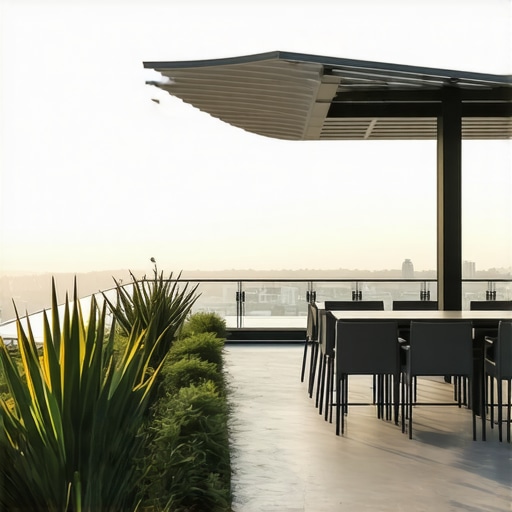
Visualize a modern rooftop patio seamlessly integrated with a reflective roof surface featuring native green plants, solar panels, and dynamic shading structures, exemplifying sustainable luxury design.
Could Modular Green Roof Systems Revolutionize Urban Landscaping?
Pre-fabricated, scalable modules allow for swift installation and customization of green roofs tailored to specific structural capacities. These systems facilitate urban agriculture, stormwater management, and aesthetic diversity, supporting cities’ push toward greener infrastructures. Modular designs also simplify maintenance routines through standardized components, ensuring longevity and ease of repair. As urban density increases, such adaptable solutions provide a practical pathway to integrate nature into dense residential fabrics, contributing to healthier cities and more resilient ecosystems.
Why Material Innovation Will Define Future Roofing Strategies
Emerging materials such as bio-composites, phase-change materials, and smart coatings are transforming roof durability and energy performance. These innovations enable roofs to respond proactively to environmental stressors, enhancing insulation, reducing heat islands, and extending lifespan. Incorporating sustainable harvesting of raw materials and advanced manufacturing techniques aligns with eco-conscious construction practices. As documented by the American Society of Civil Engineers, such material advancements are critical in advancing resilient and efficient home-building paradigms.
Embrace the Future with Predictive Maintenance and Smart Materials
Integrating sensor networks and artificial intelligence enables continuous health monitoring of roof-patio systems, predicting potential failures before they occur. This preemptive maintenance approach minimizes downtime and repair costs, ensuring optimal performance and safety. Smart materials that autonomously respond to environmental changes, such as self-healing composites and thermochromic coatings, further enhance system resilience and longevity. These cutting-edge technologies exemplify the convergence of architecture, engineering, and data science—paving the way for autonomous, self-sustaining home environments.
What if Your Home Can Evolve in Response to Climate Shifts?
Designing with adaptability in mind means creating structures capable of modifying their performance based on climatic variations—whether through adjustable shading, modular extensions, or responsive materials. Such foresight ensures occupants receive consistent comfort and energy efficiency regardless of changing environmental conditions. Exploring innovative project examples and predictive modeling tools will empower architects and homeowners to anticipate future needs, ultimately crafting resilient homes that thrive amidst climate uncertainties.
Expert Insights & Advanced Considerations
Prioritize Sustainability in Material Choices
Opting for eco-friendly, durable materials not only reduces environmental impact but also enhances long-term home resilience and value, especially as sustainability standards become more stringent.
Integrate Smart Technologies Seamlessly
Embedding IoT and automation into architectural design enables homeowners to optimize energy efficiency, security, and comfort, creating adaptable living environments that anticipate future needs.
Focus on Space Flexibility and Reconfigurability
Designing interiors with modular, multi-purpose elements allows spaces to evolve with lifestyle changes, maximizing utility without incurring extensive renovations.
Enhance Aesthetics with Advanced Cladding Systems
Utilizing innovative cladding materials and techniques elevates facade appeal while providing superior insulation and weather resistance, aligning style with performance.
Curated Expert Resources
- Architectural Digest’s Sustainability Section: Offers insights into cutting-edge eco-friendly building materials and practices.
- Smart Home News: Provides updates on the latest in residential automation technology and integration strategies.
- Journal of Building Engineering: Features peer-reviewed studies on innovative construction materials and structural design advancements.
- National Institute of Building Sciences: Delivers comprehensive guidelines on resilient and sustainable building practices.
Final Perspectives on Future-Oriented Home Design
Embracing advanced strategies—such as integrating sustainable materials, smart technology, and flexible interior layouts—positions homeowners and builders at the frontier of innovative home design. Focusing on these elements ensures that residential projects are not only aesthetically compelling but also resilient, efficient, and aligned with emerging environmental standards. For professionals aiming to lead in this evolving landscape, actively engaging with authoritative resources and pioneering new approaches will be vital. We invite you to share your insights, explore these themes further, and contribute to shaping the future of home building and renovation.
This article offers such a comprehensive look at the future of sustainable and tech-integrated home design, especially the emphasis on green roofs and smart materials. Having recently worked on a project involving a modular green roof system, I can attest to how much these approaches can truly elevate urban dwellings—not only in aesthetic appeal but also in environmental impact. The ability to incorporate native flora and scalable modules makes the process both flexible and eco-friendly.
I’m curious, how are others here approaching the challenge of balancing high-tech solutions with maintenance costs, especially in remote or less-urbanized locations? Are there cost-effective sustainable materials or smart systems that you’ve found particularly reliable and easy to manage in such contexts? It seems that as these technologies advance, their accessibility and practicality will only improve, further transforming residential design.