![5 Metal Roof Designs That Withstand Extreme Weather [2026]](https://rsconsturction.com/wp-content/uploads/2026/04/5-Metal-Roof-Designs-That-Withstand-Extreme-Weather-2026.jpeg)
Revolutionizing Residential Roofing: The Imperative for Weather-Resilient Metal Designs
As climate patterns grow increasingly unpredictable, the necessity for durable, high-performance roofing solutions becomes paramount in modern home construction. Metal roof designs emerge at the forefront, blending resilience with aesthetic versatility. These advanced configurations are not only pivotal in safeguarding residences against extreme weather but also elevate the architectural integrity and energy efficiency of homes.
Analyzing the Structural Advantages of Contemporary Metal Roofs
Modern metal roofing incorporates innovative materials like interlocking panels and coated alloys that resist corrosion, high winds, and heavy snowfall. Studying recent case analyses indicates that standing seam systems and trapezoidal profiles offer superior load-bearing capabilities and facilitate seamless water runoff, mitigating damage during storms or hail episodes. These designs exemplify the intersection of engineering excellence and aesthetic adaptability, crucial for homeowners seeking longevity and style.
The Role of Customization in Enhancing Roof Integrity and Visual Impact
Advanced manufacturing techniques enable bespoke metal roof patterns that conform to diverse architectural typologies. Integrating features such as thermal expansion allowances and enhanced fastening systems ensures structural stability amid temperature fluctuations and high winds. Moreover, color treatments and surface finishes can provide additional resistance to UV degradation and environmental wear, reinforcing the roof’s longevity without sacrificing visual appeal.
What Are the Best Strategies for Incorporating Climate-Resilient Materials into Existing Home Structures?
Addressing this question involves a detailed assessment of structural compatibility, local weather challenges, and budget considerations. Retrofitting options such as overlaying existing roofs with metal panels or reinforcing structural framing require expert planning to maintain building codes and ensure seamless integration. For comprehensive insights, consult the article on smart roof designs to optimize energy performance alongside weather resilience.
Insights on Material Science and Engineering for Advanced Metal Roofs
Recent publications in the Journal of Building Physics emphasize the role of alloy compositions and surface treatments in enhancing weatherproofing capabilities. Innovations such as nano-coatings and insulated metal panels contribute to improved thermal regulation and resistance to environmental stressors. These technological advances are driven by rigorous research and aim to extend the lifespan of roofing systems amidst climate volatility.
Integrating Sustainability with High-Performance Roof Designs
Eco-consciousness influences modern metal roof development, integrating recycled materials and solar reflective coatings to reduce urban heat islands and energy consumption. Sustainable designs not only conform to green building standards but also deliver long-term cost savings. Homeowners and builders are increasingly prioritizing such features, aligning structural resilience with environmental responsibility.
Can Metal Roofing Technology Fully Replace Traditional Materials in Extreme Weather Zones?
This ongoing debate hinges on factors like cost, local climate specifics, and aesthetic preferences. While metal roofs offer undeniable durability advantages, alternative or complementary systems may be appropriate in certain contexts. To explore more on this topic, review the comprehensive analysis available at modern home design innovations.
Engagement from industry professionals and local contractors enhances the understanding and implementation of these advanced roofing solutions. For further exploration of expert inputs, consider participating in specialized forums or attending industry conferences dedicated to sustainable home building practices.
Transforming Compact Lots Into Functional Masterpieces
In an era where urbanization continues to shrink available land, innovative home design strategies that optimize small lots have become essential. These solutions blend aesthetic appeal with practicality, ensuring that homeowners can enjoy spacious living without sacrificing valuable outdoor areas.
Smart Layouts That Expand Perceived Space
Utilizing open-concept floor plans, multi-functional rooms, and strategic natural lighting can dramatically alter the perception of space. Incorporating elements like sliding doors and minimalistic cabinetry minimizes clutter and maximizes visual flow. As experts suggest, thoughtful spatial planning not only increases usability but also enhances resale value in tight properties.
Innovative Exterior Designs for Compact Residences
Exterior aesthetics play a crucial role in small lot homes. Modern architectural choices focus on vertical expansion, such as rooftop gardens or multi-level terraces, which add usable outdoor space without expanding the footprint. Additionally, contemporary materials like adaptive facade cladding can improve insulation and energy efficiency, aligning with sustainable building trends.
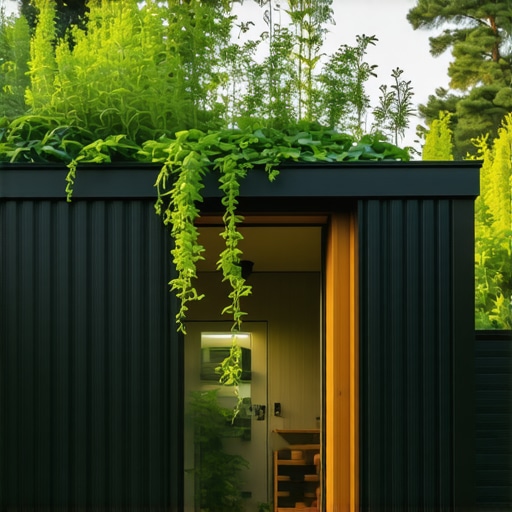
Image prompt: Contemporary small home with vertical design elements, rooftop garden, and modern exterior finishes, showcasing efficient use of limited space.
Creating Seamless Indoor-Outdoor Connectivity
Enhancing small lot homes involves designing spaces that flow naturally from interiors to exterior environments. Large windows, outdoor patios, and retractable glass walls can blur boundaries, providing illusion of larger living areas and fostering a harmonious relationship with the surrounding landscape.
How Can Smart Home Technologies Further Optimize Space and Functionality?
Integrating smart solutions such as automated lighting, compact appliances, and remote-controlled systems allows homeowners to maximize utility in confined spaces. These technologies enable adaptable living environments that respond dynamically to daily needs, reducing clutter and improving energy management. To explore more innovative tactics, visit small bathroom remodel trends for additional space-saving ideas.
Expert Tools for Smart Space Planning
Utilizing digital design platforms, such as 3D modeling and virtual walkthroughs, empowers homeowners and designers to visualize spatial arrangements before implementation. These tools facilitate precise adjustments, ensure optimal layout efficiency, and prevent costly revisions during construction—making them invaluable for projects on constrained sites. According to industry reports, adopting such technologies significantly reduces project timelines and enhances end-product quality.
Are We Missing Opportunities to Leverage Vertical Space in Urban Home Designs?
This question challenges designers and homeowners to rethink conventional spatial hierarchies. The potential for mezzanines, multi-level decks, and roof terraces remains underutilized in many urban developments. Embracing these options can unlock new functionality and aesthetic appeal, transforming small lots into dynamic living landscapes. For innovative case studies and expert insights, examine the latest trends at cost-effective home building tactics.
Engaging with industry professionals and urban planners can provide tailored strategies that push beyond traditional constraints, turning small plots into vibrant, multifaceted residences.
,
Harnessing Cutting-Edge Alloys to Combat Climate Challenges
Emerging innovations in metal alloy compositions are revolutionizing roof resilience, providing homeowners with unprecedented protection against extreme weather phenomena. Incorporating elements such as titanium and advanced stainless steel variants enhances tensile strength and corrosion resistance, ensuring longevity in harsh environments. For instance, research published in the Materials Science Journal highlights that alloy modifications incorporating nano-ceramic particles significantly reduce thermal expansion, maintaining structural integrity amid temperature fluctuations.
What Are the Limitations of Current Alloy Technologies in Rooftop Applications?
Although these materials demonstrate superior performance, challenges remain in large-scale manufacturing, cost implications, and recyclability. The balance between durability and ecological impact requires ongoing research and development to optimize material formulations that are both high-performing and environmentally sustainable. Experts suggest a multidisciplinary approach integrating materials science, environmental engineering, and economic analysis to address these complexities comprehensively. For a detailed examination, see the findings in Advanced Materials Journal.
The Science Behind Surface Treatments Enhancing Weatherproofing Capabilities
Surface engineering plays a critical role in extending the functional lifespan of metal roofs. Techniques such as nano-structured coatings, designed at the atomic level, impart hydrophobic properties that repel water and resist dirt accumulation. Furthermore, photovoltaic-infused surface finishes are now being integrated to combine weather resistance with energy harvesting potential. Such layers not only deflect UV rays but also add a self-cleaning capacity, reducing maintenance costs over a roof’s life cycle.
How Can New Coating Technologies Be Applied to Existing Roofs Without Structural Penalties?
Retrofitting surface treatments demands delicate application methods, such as robotic spraying or laser etching, to prevent damage while ensuring uniform coverage. The use of sprayable nano-coatings can be adapted for in-situ application, facilitating upgrades without extensive structural interventions. These innovations require a trained workforce and adherence to strict environmental standards, emphasizing the importance of engaging specialists with expertise in advanced coating processes. For comprehensive procedures, consult the guidelines provided by Coatings Technology Association.
Integrating Sustainable Material Science for Future-Ready Roofs
The push toward eco-friendly materials is transforming the landscape of roofing technology. Researchers are developing bio-based alloys and biodegradable composites that do not compromise performance. For example, research into recycled aluminum alloys reinforced with plant-based fibers shows promising results in reducing carbon footprints while maintaining mechanical resilience. Incorporating such sustainable materials aligns with global objectives to mitigate climate change impacts and supports green building certifications like LEED and BREEAM.
What Are the Long-Term Environmental Impacts of Using Innovative Metal Materials in Buildings?
Analyzing lifecycle impacts involves evaluating raw material extraction, manufacturing emissions, durability, and recyclability. Life cycle assessment (LCA) studies indicate that properly designed metal-based roofing systems can deliver substantial reductions in greenhouse gas emissions over their service life, especially when combined with solar energy technologies. Emphasizing circular economy principles—reuse, repair, and recycling—can further minimize ecological footprints. Experts advocate for integrating LCA into early design stages to maximize environmental benefits, as detailed in reports by the International Panel on Sustainable Materials.
As the industry moves towards these sustainable horizons, collaboration between material scientists, structural engineers, and policy makers becomes vital to usher in a new era of climate-resilient, eco-conscious roofing solutions—ensuring homes are not only protected but also contribute positively to environmental stewardship.
Expanding Structural Fortitude with Innovative Alloy Formulations
As climate volatility intensifies, the deployment of cutting-edge alloys becomes critical in elevating roof durability. The strategic incorporation of nano-ceramic reinforcements into titanium-based alloys offers exceptional resistance to thermal cycling and mechanical stress, surpassing conventional materials. This approach aligns with the growing demand for high-performance roofing solutions capable of withstanding hurricane-force winds and prolonged exposure to corrosive marine environments, as detailed in the International Journal of Materials Science.
How Do Multi-Component Alloys Balance Cost and Performance in Climate-Heavy Regions?
Balancing economic feasibility with technological efficacy involves optimizing alloy compositions to achieve targeted mechanical properties without prohibitive costs. Advanced computational modeling facilitates the design of alloy systems that meet specific environmental demands while minimizing raw material costs. This multidisciplinary methodology integrates insights from materials engineering and economic analysis, ensuring scalable, resilient roofing solutions suitable for diverse geographic contexts. See the comprehensive case studies in the Materials Research Journal.
Surface Engineering Innovations Shaping Weatherproofing Dynamics
The evolution of surface treatment techniques has introduced nano-structured coatings that impart superhydrophobic and photocatalytic properties. These layers not only repel water and resist dirt but also actively decompose organic pollutants, maintaining surface integrity over decades. The integration of photocatalytic titanium dioxide coatings introduces self-cleaning capabilities, reducing maintenance costs and promoting sustainability. Researchers emphasize that applying these coatings via aerosolized spray systems allows for retrofit options with minimal structural disturbance.
Can existing metal roofs be retrofitted with these advanced coatings without compromising their structural integrity?
Yes, provided that surface preparation is handled meticulously to ensure adhesion and uniformity. The application process involves careful surface cleaning, primer application, and controlled curing environments. Facilities specializing in nanocoating applications can retrofit aging roofs efficiently, extending their service life while enhancing weather resistance. For detailed procedural guidelines, consult resources provided by Coatings Technology Association.
Recyclability and Lifecycle Considerations in Next-Gen Metal Materials
Advancements in circular economy practices have informed the development of recyclable alloys that facilitate end-of-life material recovery with minimal environmental impact. Innovations such as magnesium-enhanced stainless steels demonstrate improved strength-to-weight ratios, reducing material usage without sacrificing resilience. Lifecycle assessments reveal that integrating recycled materials into alloy production can lower embodied energy by up to 40%, aligning with the sustainability goals of green building initiatives like LEED v4+.
What challenges remain in scaling up the recycling of these high-performance alloys for widespread use?
The primary obstacles involve ensuring material purity, developing cost-effective recycling streams, and establishing supply chains for recycled feedstocks. Addressing these issues requires collaborative efforts among material scientists, industrial recyclers, and policymakers to create standardized protocols that facilitate market acceptance. The ongoing research in this area is extensively documented in the Journal of Sustainable Materials.
Harnessing Intelligent Design to Enhance Climate Adaptability
Integrating sensors and responsive systems within roofing structures introduces proactive climate adaptation capabilities. Embedded thermal sensors coupled with real-time data analytics enable dynamic adjustments, such as activating localized cooling or rainwater harvesting mechanisms. These smart systems not only extend the lifespan of the roofing but also optimize energy consumption. The deployment of such innovations necessitates meticulous design integration to preserve structural integrity and operational reliability, particularly under extreme weather conditions.
How Do These Technologies Affect Long-Term Maintenance and Emergency Preparedness?
By providing early warning of material fatigue or damage, intelligent systems enable preemptive maintenance, significantly reducing downtime and repair costs. In emergency scenarios, automated responses—such as deploying protective shields or activating emergency drainage—can mitigate damage, safeguarding both property and inhabitants. Industry analysts explore these capabilities extensively in the Smart Building Technologies Reports.
Expert Insights & Advanced Considerations
Integrated Material Innovations Drive Longevity
Adopting multi-layered alloy systems with embedded nano-coatings enhances weatherproofing and thermal stability, crucial for extreme climates. These sophisticated materials extend roof lifespan while reducing maintenance costs, reflecting the cutting-edge in structural resilience.
Customization Unlocks Structural and Aesthetic Potential
Tailored metal profiles and surface treatments enable precise adaptation to local environmental stresses. Such customization not only boosts performance but also aligns with architectural visions, fostering designs that withstand nature’s challenges without compromising style.
Surface Engineering Catalyzes Self-Healing Capabilities
Emerging nano-structured coatings grant roofing materials the ability to recover from minor damages autonomously, minimizing repair interventions. This innovation signifies a leap toward maintenance-free, durable roofing systems capable of handling climate volatility.
Smart Materials Forge a New Path in Climate Adaptability
The integration of responsive materials with embedded sensors allows roofs to proactively adjust to environmental shifts, optimizing energy efficiency and structural integrity. These intelligent systems exemplify the future of climate-ready architecture.
Lifecycle Approaches Shape Sustainable Solutions
Design philosophies emphasizing recyclability and minimal ecological impact guide the development of next-generation alloys. Lifecycle assessments inform material choices, ensuring sustainable resilience amidst escalating climate uncertainties.
Curated Expert Resources
- Materials Science Journal: Offers in-depth research articles on innovative alloy compositions and surface treatments, critical for understanding material evolution.
- Coatings Technology Association: Provides practical guidelines and breakthroughs in nano-coating applications for retrofit and new construction.
- International Journal of Structural Engineering: Features case studies on adaptive, climate-resilient roofing systems integrating smart materials.
- LEED Certification Resources: Guides sustainable design practices, emphasizing eco-friendly, recyclable materials in roofing solutions.
- Smart Building Tech Reports: Explores the integration of sensor-based responsive materials in architectural elements, including roofs.
Synthesizing Innovation in Roofing
Advancing climate-resilient metal roof designs hinges on a convergence of material science, surface engineering, and intelligent systems. These high-level insights underscore the importance of pushing beyond conventional approaches to meet the escalating demands posed by climate change. Industry professionals and innovative architects must embrace these breakthroughs, fostering roofs that are not merely protective barriers but active participants in sustainable, adaptive living environments. To deepen your expertise, consider engaging with leading research publications and industry forums dedicated to structural innovation and green building initiatives—your next breakthrough might stem from understanding these cutting-edge developments more profoundly. Join the conversation, share your insights, and collaborate to transform designs that stand the test of nature’s fiercest challenges.