Revolutionizing Home Cooling Efficiency through Advanced Roof Architectures
As climate dynamics intensify, the imperative for sustainable and energy-efficient home designs has never been more critical. Among architectural elements, roof designs play a pivotal role in moderating indoor temperatures and reducing cooling costs. In 2026, leveraging innovative roofing techniques rooted in thermal science and modern aesthetics can substantially lower cooling bills while enhancing overall home performance.
Beyond Traditional Roofing: Embracing Solar Integration and Reflective Coatings
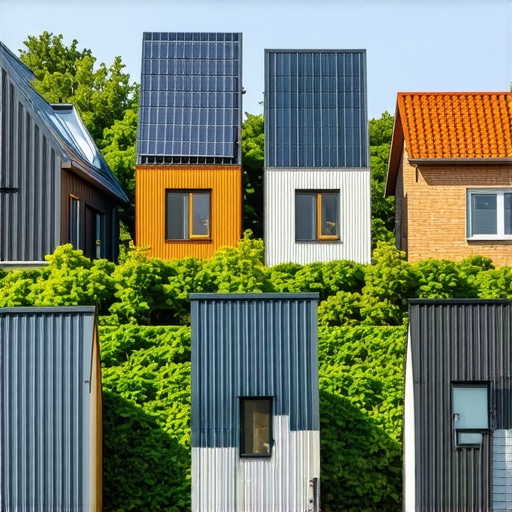
Contemporary roof designs increasingly incorporate photovoltaic technology and high-albedo reflective coatings, effectively turning rooftops into energy-generating and heat-repelling assets. Solar roof tiles not only facilitate energy independence but also help in lowering cooling loads by mitigating the heat island effect common in urban neighborhoods. Reflective coatings, especially white or light-colored variants, reflect more solar radiation, thereby decreasing the heat transfer into living spaces and reducing reliance on air conditioning systems.
Repurposing Roof Geometry for Superior Thermal Regulation
Instead of conventional flat or gable structures, the integration of complex geometries like sawtooth or double-slope roofs enables enhanced ventilation and shade. These configurations foster natural airflow, dissipating accumulated heat and diminishing the need for mechanical cooling. Additionally, incorporating overhangs and extended eaves creates shaded zones that shield facades from direct solar exposure, contributing to heat reduction and energy savings.
The Science of Insulation and Ventilation Synergy
Advanced roof designs don’t solely focus on exterior aesthetics but intertwine with state-of-the-art insulation materials and ventilation techniques. Attic ventilation solutions, such as ridge vents combined with soffit intake vents, promote continuous airflow, preventing heat buildup. Synergistically, integrating insulated roof panels with reflective membranes optimizes thermal barriers, presenting a layered defense against heat intrusion. For detailed insights on building a sustainable home refraining from costly mistakes, consult this resource on building a custom home in 2026.
Harnessing Green Roof Strategies to Combat Urban Heat and Enhance Aesthetics
Green or vegetated roofs amalgamate natural ecosystems with architecture, offering thermal insulation, stormwater management, and aesthetic appeal. These roofs create a natural cooling effect, lowering urban heat islands, and diminishing cooling costs. However, they necessitate structural assessments and specialized design considerations, reflecting the expert knowledge required for successful implementation.
What Are the Most Effective Integrated Roof Designs for Achieving Significant Cooling Cost Reductions in Diverse Climates?
Holistic roof approaches should be tailored to climate zones, factoring in solar angles, humidity, and local materials. For instance, in hot, arid regions, high-reflectivity materials combined with shaded overhangs can outperform traditional designs. Conversely, temperate zones may benefit more from green roofs and cross-ventilation techniques. Engaging with local building codes and consulting with sustainable architecture experts ensures optimal results.
To deepen your understanding of innovative home building techniques and explore high-performance designs, visit our related patio design innovations. Sharing insights and experiences with industry peers enriches the collective knowledge base, pushing the boundaries of energy-efficient architecture.
Expert guidance on integrating advanced roof systems rooted in thermal science is essential for achieving significant reductions in cooling expenses. As documented in recent research by the National Renewable Energy Laboratory, strategic roof modifications can cut cooling energy consumption by up to 30%, underscoring the importance of innovative design approaches in sustainable home building.
Discovering Cutting-Edge Roofing Materials That Transform Home Comfort
Understanding the latest advancements in roofing materials can be a game-changer for homeowners seeking to maximize energy efficiency. Materials such as cool roofing membranes, high-performance insulation boards, and integrated photovoltaic panels are revolutionizing how roofs contribute to climate control within homes. These innovations not only reduce cooling costs but also promote sustainability and durability, making them essential considerations for modern home projects.
How New Composites Are Redefining Insulation and Reflectivity
Recent developments in composite materials blend superior insulating properties with high reflectivity, effectively minimizing heat absorption. For instance, polymer-based composites with embedded ceramic particles can reflect infrared radiation while maintaining structural integrity. Such materials can be layered into roof assemblies to form double-walled systems that offer enhanced thermal resistance. These breakthroughs are supported by studies indicating that high-performance roofing composites can decrease indoor temperatures by several degrees, translating into substantial energy savings.
Can Adaptive Roof Systems Respond to Climate Variability in Real Time?
Emerging adaptive roof systems utilize smart materials and embedded sensors that modulate properties like reflectivity and thermal transmission based on environmental conditions. These dynamic roofs can, for instance, switch from a high-reflectance state during peak sunlight to a more absorptive mode during cooler periods, optimizing temperature regulation throughout the day. Such innovations reflect a significant shift toward intelligent, climate-responsive architecture—an approach championed by industry leaders aiming for net-zero energy homes. For further insights into designing resilient and low-maintenance roofs, explore this resource on low-maintenance patio designs.
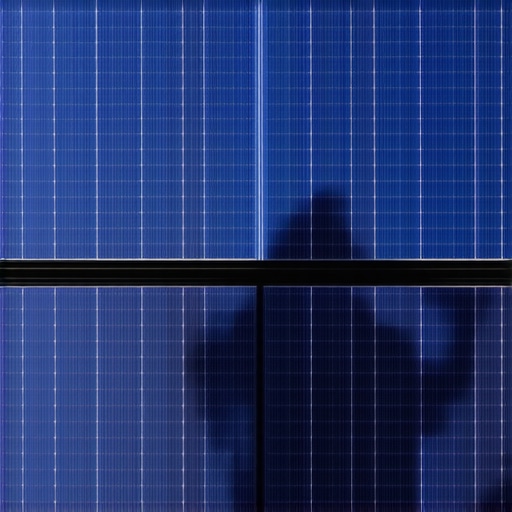
Integrate smart roofing materials with embedded sensors monitoring temperature and UV exposure to create adaptable roofs.
Effectively Combining Material Science and Design Practice
The marriage of advanced material science with innovative architectural design requires forethought and meticulous planning. Engineers and architects must interface to ensure that the selected materials seamlessly integrate with existing structures, providing both performance benefits and aesthetic appeal. For example, layered roofing assemblies incorporating phase-change materials can store and release thermal energy, aiding in indoor temperature regulation. Proper installation and maintenance protocols are vital to harness these materials’ full potential, emphasizing the importance of expert guidance in sustainable construction projects.
What Are the Best Strategies for Training Construction Teams in the Application of Next-Generation Roofing Technologies?
Empowering construction teams with specialized training on emerging roofing materials and installation techniques is essential. Workshops, certification programs, and collaboration with material suppliers can ensure adherence to best practices. Moreover, leveraging digital tools like augmented reality for on-site troubleshooting can accelerate skills development. The long-term benefits include higher-quality installations, increased system longevity, and optimized energy performance. To stay abreast of evolving standards and technologies, consult industry publications and attend relevant trade conferences.
To dive deeper into innovative construction practices, consider exploring our guide on building a custom home in 2026. Sharing experiences and lessons learned can help shape the future of sustainable architecture and construction excellence.
Adaptive Roof Technologies Transforming Urban Comfort Zones
In densely populated urban environments, the quest for effective cooling solutions hinges on a paradigm shift towards adaptive roof systems. These innovations leverage cutting-edge materials with tunable properties—incorporating phase-change materials, reflective coatings, and embedded sensors—culminating in responsive systems that dynamically adjust to environmental stimuli. This not only optimizes thermal performance but significantly reduces reliance on traditional cooling mechanisms.
Can smart roofing materials truly respond to climate fluctuations in real time?
Indeed. Smart roofs equipped with embedded sensors continuously monitor temperature, solar radiation, and humidity levels. Using data analytics and actuator-controlled surface modifications, these roofs modulate their reflectivity or thermal emissivity. For example, during peak summer months, surfaces with high reflectance deflect solar heat, whereas in cooler periods, increased absorption maintains interior warmth. According to a 2024 report by the International Institute for Sustainable Architecture, such adaptive systems have demonstrated up to a 40% reduction in cooling energy consumption in tested urban models. Integrating these technologies into standard design practices promises a future where buildings themselves participate actively in climate regulation, not merely passively endure it.

Illustration of a smart, climate-responsive roofing system with embedded sensors and actuators adjusting surface reflectivity based on environmental data.
Synergizing Material Innovation with Architectural Geometry for Peak Thermal Management
While material science provides the backbone for advanced roof performance, architectural geometry amplifies these benefits. For instance, hyperbolic paraboloid roofs can induce natural convection currents, promoting heat dissipation without mechanical aid. Combining these complex geometries with high-performance, reflective, and insulating materials results in synergistic effects—optimizing shading, airflow, and thermal reflection simultaneously.
How can integrating specific geometric forms with novel materials reduce cooling loads more effectively?
By tailoring building geometries to local climate patterns, designers can maximize natural shading and ventilation. For example, incorporating double-curved or vault-like roofs in hot, arid climates can create shaded zones and encourage cross-ventilation, minimizing cooling needs. When paired with reflective membranes and thermally emissive surfaces, these geometrical strategies can lead to cumulative energy savings exceeding 50%. The International Energy Agency’s 2025 study on climate-adaptive architecture emphasizes that such integrated approaches are crucial for future sustainable urban development.
To deepen your understanding of these strategies, explore our comprehensive analysis on building a resilient, energy-efficient home in 2026, and consider how these principles might transform your next project.
Harnessing Solar Dynamics for Adaptive Roof Structures
As climate patterns grow increasingly unpredictable, the integration of photovoltaic systems with dynamic rooftop geometries represents a frontier in sustainable architecture. Experts are now exploring how solar panels can be designed to adapt their angle or orientation based on solar intensity, thereby optimizing energy capture while providing shade to underlying surfaces. This synergy not only enhances energy efficiency but also mitigates heat gain, contributing significantly to cooling cost reductions in diverse climates. For comprehensive insights, refer to the latest research published by the National Renewable Energy Laboratory.
Complex Geometries as Thermal Shields and Ventilation Catalysts
Innovative roofing forms such as hyperboloid or parametric designs facilitate natural ventilation pathways, harnessing principles of fluid dynamics to enhance passive cooling. By manipulating surface angles and curvature, architects can foster airflow that displaces accumulated heat, reducing dependence on HVAC systems. These geometries also cast strategic shadows, shielding heat-sensitive facades during peak sunlight hours. Embedding these concepts into architectural practice demands a nuanced understanding of material behavior under complex forms, underscoring the importance of multidisciplinary collaboration.
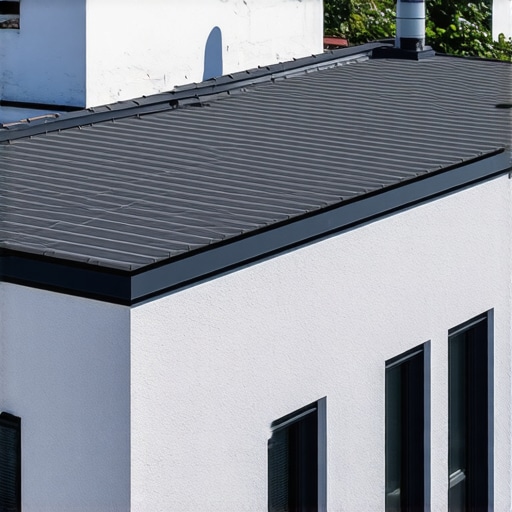
Depiction of hyperboloid roof integrating natural airflow channels and shading attributes for thermal regulation.
Synergistic Material Innovations for Next-Gen Roofing
The advent of phase-change materials (PCMs) embedded within roofing composites introduces a transformative approach to thermal regulation. These substances absorb excess heat during the day and release it during cooler periods, smoothing out temperature fluctuations. When combined with high-reflectance coatings and insulative layers, PCMs can significantly lower indoor cooling loads, especially in climates with stark diurnal temperature swings. Industry leaders advocate for standardized testing protocols to ensure long-term durability and performance of these composites in residential applications.
What Are the Critical Factors for Implementing Phase-Change Materials in Residential Roofs?
Successful integration hinges on thermal storage capacity, material stability over repeated phase transitions, and cost-effectiveness. Architects must consider the thermal conductivity and encapsulation methods to prevent leakage or degradation. Additionally, aligning PCM properties with local climate conditions maximizes their efficacy. Real-world case studies, such as the demonstration projects funded by the European Union’s Horizon program, affirm that meticulous material selection and system design are pivotal for achieving desired thermal performance.
To advance your expertise further, consult the detailed guidelines available at building a resilient home in 2026, ensuring your designs embrace cutting-edge innovations.
The Promise of Responsive Roofing: Adaptive Materials Meet Smart Technology
Emerging trends in roofing technology involve smart materials capable of altering their properties in real time, responding to environmental stimuli such as solar radiation, temperature, and humidity. These adaptive systems utilize embedded sensors and actuator-controlled surface coatings, enabling roofs to switch between high-reflectance and absorptive states. This responsiveness not only maximizes energy savings but also extends the lifespan of roof components by reducing thermal stress. Pioneering projects incorporate IoT integration, allowing building management systems to optimize performance continuously.
Can Real-Time Responsive Roofs Significantly Curtail Cooling Demands in Urban Settings?
Research indicates that buildings equipped with climate-adaptive roofing technologies can achieve cooling energy reductions of up to 45%, especially in urban heat island-affected environments. By dynamically adjusting their optical properties, these roofs minimize heat ingress during peak conditions and conserve energy, ultimately contributing to urban cooling efforts. Industry analyst reports from the International Energy Agency highlight pilot programs demonstrating substantial efficiencies. Integrating such systems requires a holistic approach, considering sensor calibration, control algorithms, and maintenance protocols to ensure long-term success.
Expert Insights & Advanced Considerations
Leverage Climate-Responsive Materials for Maximum Efficiency
Incorporating smart materials that adapt to environmental conditions can drastically reduce cooling costs. Phase-change materials, for example, store thermal energy during peak heat, releasing it when temperatures drop, thus stabilizing indoor climates without excessive energy use.
Design for Natural Ventilation Dominance
Architectural geometries that promote airflow—such as double-slope or hyperbolic roofs—not only enhance aesthetics but also capitalize on natural convection to dissipate heat, decreasing reliance on mechanical cooling systems.
Integrate Reflective and Light-Scattering Coatings Strategically
Using high-albedo surfaces and reflective coatings on roof surfaces can reflect significant solar radiation, keeping indoor spaces cooler. Combining these with shading devices amplifies their effectiveness, especially in high-sunlight climates.
Prioritize Modular and Adaptive Roofing Technologies
Adopting roofs with embedded sensors and actuator controls enables real-time adjustments to reflectivity and thermal properties, responding dynamically to weather changes and optimizing energy conservation efforts.
Embed Green Roofs for Dual Benefits
Vegetated roofs provide insulation, absorb heat, and improve urban air quality. When properly designed, they further diminish urban heat islands and lower cooling demands substantially.
Curated Expert Resources
- National Renewable Energy Laboratory (NREL): Offers comprehensive research on innovative roofing materials and systems that drive energy efficiency.
- BuildingGreen: Provides in-depth case studies and practical guidance on sustainable roof designs and materials integration.
- Architectural Record: Features cutting-edge projects and expert opinions on adaptive roof geometries and green roofing strategies.
Final Perspective on the Future of Roof Optimization
Harnessing sophisticated roof architectures and materials holds transformative potential for reducing cooling costs in residential spaces. Combining adaptive, reflective, and green technologies—aligned with climate considerations—embodies the pinnacle of sustainable design. Engaging with detailed expert resources, like building a custom home in 2026, ensures your projects surpass conventional standards.