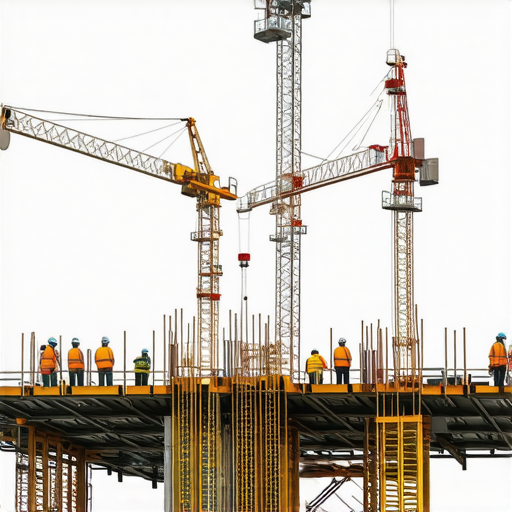
![5 Net-Zero Home Building Tactics to Lower Energy Use [2026]](https://rsconsturction.com/wp-content/uploads/2026/04/5-Net-Zero-Home-Building-Tactics-to-Lower-Energy-Use-2026.jpeg)
Revolutionizing Home Aesthetics and Sustainability Through Advanced Design Principles
As the architectural landscape evolves toward smarter, more sustainable, and aesthetically refined solutions, the integration of cutting-edge design strategies becomes paramount. The convergence of innovative patio and roof designs with holistic home remodeling approaches reflects a paradigm shift driven by environmental concerns and urban space optimization. Industry experts emphasize that modern home design must transcend traditional boundaries, incorporating energy-efficient materials and adaptive layouts that resonate with the net-zero energy objectives for 2026 and beyond.
The Critical Role of Eco-Conscious Patio and Roof Designs in Energy Efficiency
Patio and roof designs serve as the foundational elements influencing a building’s thermal performance and outdoor usability. Implementing high-performance materials such as stone-based patios not only enhances durability but also markedly decreases long-term repair costs, as highlighted in recent studies comparing lifespan and insulation properties (source). For instance, integrating solar panels into roofing systems exemplifies a synergy of form and function, actively contributing to decentralized energy generation and reducing reliance on fossil fuels. Such innovations underpin the philosophy of net-zero carbon footprints in residential developments.
How Can Homeowners Optimize Spatial and Environmental Benefits in Renovations?
Expert guidance suggests embracing modular architectures that promote flexibility and future-proofing. Incorporating large, thermally efficient windows, advanced insulation, and smart shading solutions can dramatically lower cooling and heating demands. Additionally, selecting materials that align with sustainable practices enhances the overall environmental profile of the project. This comprehensive approach ensures that each renovation not only elevates aesthetic appeal but also advances the long-term reduction of energy consumption, contributing significantly to the global net-zero ambitions.
Emerging Trends in Home Building that Elevate Living Quality and Sustainability
The adoption of low-maintenance patio and roof designs aligns with the escalating demand for minimal upkeep while maximizing durability. Innovative concrete alternatives, environmentally friendly paving stones, and green roofing solutions showcase the industry’s response to climate resilience and urban density challenges. Furthermore, integrating smart home technologies with these design elements facilitates real-time energy management, making it easier for residents to monitor and optimize their resource use in line with modern sustainability standards.
What Are the Complex Trade-Offs When Balancing Aesthetic Appeal with Energy Performance in Home Exteriors?
Balancing visual appeal with functional efficiency presents significant challenges. For example, achieving an architecturally striking patio may involve materials or designs requiring higher maintenance or energy input. Conversely, ultra-high-performance roofing could limit design versatility. Analyzing these trade-offs requires a nuanced understanding of material science, climate considerations, and user preferences, often demanding bespoke solutions tailored to specific environmental and aesthetic contexts.
Those interested in integrating these nuanced strategies can explore expert resources or consult seasoned architects specializing in sustainable, innovative home designs (related article). Sharing insights or challenging conventional methods with industry peers fosters continued advancement in this vital field.
Elevate Your Home’s Curb Appeal with Smart Design Choices
Transforming outdoor spaces through thoughtfully crafted patio designs can significantly enhance both aesthetics and functionality. Modern approaches favor low-maintenance materials, such as eco-friendly paving stones or composite decking, which not only reduce upkeep but also contribute to sustainability goals (source). When paired with innovative roof systems that incorporate green roofing solutions, homeowners can create harmonious environments that support energy conservation and urban greenery.
Is Your Home Ready for the Next Generation of Sustainable Roofs?
Implementing advanced roofing technology, such as highly reflective coatings and integrated solar energy systems, is vital for reducing cooling loads and generating renewable energy. Smart roof designs incorporate insulation enhancements and adaptive venting mechanisms that respond to environmental conditions, further optimizing energy efficiency. These features often require careful planning and expert consultation to balance durability with performance, especially in climates with extreme temperature variations. For those considering such upgrades, exploring the latest trends in smart roofing solutions can provide valuable insights.
Leveraging Modular Construction for Future-Proofed Outdoor Spaces
Modular and adaptable patio and roof designs allow homeowners to respond to evolving lifestyle needs and climate challenges seamlessly. Installing versatile features like retractable awnings, movable pergolas, or modular pavers grants flexibility, enabling outdoor areas to serve multiple functions—be it entertaining, gardening, or relaxation. Such flexibility not only maximizes space utilization but also supports sustainable practices by reducing the need for frequent renovations. For an in-depth analysis of how modular approaches can future-proof your home, consider reviewing comprehensive building strategies.
In What Ways Can Integrating Smart Technologies Accelerate the Transition to Sustainable Outdoor Living?
Smart devices, from automated irrigation systems to energy-monitoring sensors embedded in patio slabs and roofing, enable precise resource management. These technologies facilitate real-time adjustments based on weather forecasts and user preferences, reducing water and energy waste. As the industry advances, integrating such systems into outdoor design is becoming essential for eco-conscious homeowners aiming to align aesthetics with functionality and sustainability. Exploring innovations in area-specific renewable solutions can significantly boost the eco-efficiency of your property (see more).
Interested in transforming your outdoor spaces into sustainable sanctuaries? Sharing your ideas or challenges can foster community insights and expert advice that align with your unique needs.
Harnessing Smart Material Technologies for Elevated Energy Efficiency
The frontier of material science offers transformative possibilities for home exteriors, with smart materials leading the charge toward unprecedented energy performance gains. Incorporating phase-change materials (PCMs) into roofing systems allows for passive temperature regulation—absorbing excess heat during peak temperature periods and releasing it when temperatures drop, thereby stabilizing indoor climates and reducing HVAC loads. Similarly, aerogel-insulated window systems provide superior thermal resistance without compromising transparency, effectively diminishing heat transfer across building envelopes.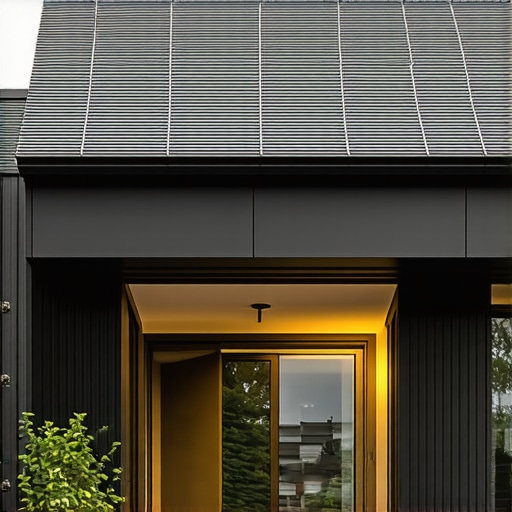
How do dynamic façade systems integrate with urban environments to optimize microclimate and energy consumption?
Dynamic facades—building exteriors equipped with responsive elements like adjustable louvers, kinetic shading devices, and reflective coatings—can adapt to environmental conditions in real time. They act as active participants in climate management, minimizing heat gain during summer and maximizing solar access in winter. Such systems are particularly advantageous in densely populated urban areas, where microclimate variability significantly impacts building performance. According to recent studies published in the Journal of Building Performance Simulation, integrating these responsive features can reduce cooling energy by up to 30% and heating demands by 20%, making them a critical component of future sustainable designs (source).
For designers and homeowners aiming to elevate their environmental responsibility, adopting a combination of smart materials and adaptive façade technologies signifies a leap toward truly resilient and energy-conscious architecture. Consider engaging with specialists in building physics and material innovation to tailor solutions that align with specific climate challenges and aesthetic aspirations.
Integrating Water Management into Outdoor Design for Sustainability
Beyond energy, water conservation is a pivotal aspect of holistic home sustainability. Advanced patio designs now incorporate permeable paving systems that facilitate stormwater infiltration, reducing runoff and recharging local aquifers. Rain gardens and bioswales strategically placed within landscaped areas serve as natural filtration zones, mitigating urban water pollution and promoting biodiversity.
Can smart irrigation systems truly revolutionize water efficiency in residential landscapes?
Yes, when integrated with weather predictions, soil moisture sensors, and real-time data analytics, automated irrigation systems can dramatically lessen water wastage. These systems adjust watering schedules dynamically, accounting for seasonal variations and microclimate conditions, leading to significant conservation benefits. A report from the U.S. Environmental Protection Agency highlights that smart irrigation can reduce outdoor water use by up to 50%, translating into substantial cost savings and environmental impact mitigation (source).
Homeowners and landscape architects committed to sustainability should explore integrating these intelligent solutions early in the design process, ensuring compatibility with existing infrastructure and local water regulations. Additionally, combining water-efficient landscaping with rainwater harvesting systems enhances resilience against climate variability and drought conditions.
Future-Proofing Outdoor Spaces with Modular and Evolving Design Elements
Flexibility remains a cornerstone of resilient outdoor environments, especially as climate patterns shift and lifestyles evolve. Modular patio pavers, adaptable shade structures, and expandable green walls enable homeowners to modify and upgrade their outdoor spaces without comprehensive renovations. This approach not only minimizes long-term costs but also allows for experimentation with new sustainable technologies and materials as they emerge.
What role does digital twin technology play in planning adaptable outdoor spaces?
Digital twin technology provides a virtual replica of physical outdoor environments, empowering designers and homeowners to simulate various configurations, assess environmental impacts, and optimize resource flows before implementing physical changes. By incorporating real-time data streams, digital twins enable dynamic monitoring and predictive adjustments, ensuring that outdoor spaces evolve in harmony with environmental conditions and user preferences. According to research published in the Computers & Industrial Engineering journal, deploying digital twins can improve decision-making accuracy by up to 45% in complex design scenarios (source).
Embracing such cutting-edge tools positions homeowners and architects at the forefront of intelligent, sustainable outdoor planning, ultimately fostering environments that are as adaptable as they are aesthetically compelling.
Harnessing Innovative Materials to Elevate Eco-Friendly Home Facades
Modern residential architecture increasingly emphasizes the integration of smart, sustainable materials that orchestrate aesthetic appeal with unparalleled energy performance. Among these, phase-change materials (PCMs) are revolutionizing thermal regulation, actively absorbing and releasing heat to stabilize indoor climates without relying solely on HVAC systems. Aerogel-insulated fenestration further enhances thermal resistance, ensuring natural daylight transmission alongside energy conservation. Such advancements not only redefine exterior design possibilities but also set new standards for environmental responsibility.
The Future of Dynamic Façades in Urban Environments
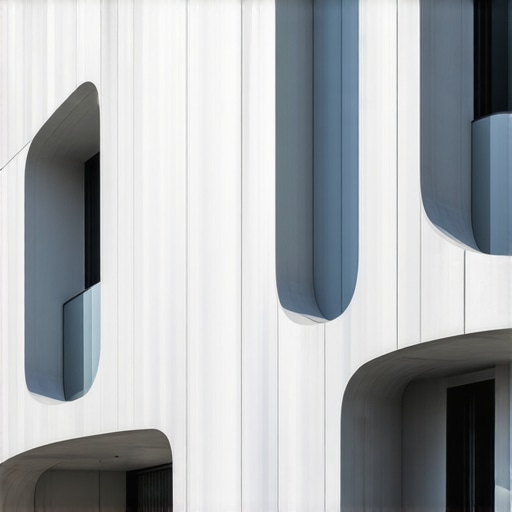
Dynamic façade systems—featuring adjustable louvers, kinetic shading, and responsive materials—act as real-time environmental modulators, optimizing microclimates around residential structures. Recent research in the Journal of Building Performance Simulation demonstrates their capacity to cut cooling energy consumption by up to 30%. These adaptive systems, especially suited for densely populated urban spaces, exemplify intelligent architecture that balances visual impact with sustainability goals.
How can smart façade systems contribute to urban heat island mitigation?
Smart façades equipped with reflective coatings and kinetic shading elements dynamically respond to solar exposure and atmospheric conditions, reducing heat absorption and dispersing urban heat islands. By integrating building physics modeling and real-time data analytics, architects can design exteriors that not only improve energy efficiency but also enhance urban livability. According to studies in the Environmental Science & Technology journal, such responsive exterior systems can decrease surrounding ambient temperatures by as much as 2°C, fostering healthier city environments (source).
Engaging with specialists in adaptive materials unlocks new potential for residences to serve as active participants in climate moderation, emphasizing that exterior innovations are pivotal in shaping sustainable urban futures.
Revolutionizing Water Management through Permeable and Responsive Systems
Integrating water-efficient design into outdoor architecture extends beyond stormwater management—embracing permeable pavements, bioswales, and rain gardens fosters sustainable landscapes that promote biodiversity and reduce urban runoff. The implementation of smart irrigation systems, which leverage soil moisture sensors and weather data, can slash water usage by up to half, as highlighted by the EPA’s WaterSense program (source). These systems exemplify the fusion of technology and nature, ensuring landscapes thrive while conserving precious resources.
What innovations make smart irrigation indispensable for water conservation?
Driven by integrated weather data, soil moisture analytics, and automated controls, smart irrigation systems deliver precise watering schedules that adapt to microclimate changes and drought conditions. This approach not only conserves water but also protects plant health and reduces maintenance costs. Reports from the EPA confirm that adopting such technology can lead to significant water savings—up to 50%—making it a critical component of sustainable landscape design.
Homeowners committed to environmental stewardship should consider early integration of these intelligent solutions, aligning their outdoor spaces with forward-thinking conservation strategies.
Integrating Digital Twins for Adaptive Outdoor Environment Planning
Digital twin technology offers immersive virtual modeling of outdoor spaces, enabling detailed simulation of environmental interactions, resource flows, and structural adjustments before physical implementation. Such tools facilitate nuanced decision-making, optimized for evolving climate patterns and user needs. The ScienceDirect publication highlights that deploying digital twins can enhance planning accuracy by up to 45%, significantly reducing costs and environmental impacts (source).
For architects and homeowners seeking resilient outdoor environments, leveraging such innovative modeling fosters adaptive designs that are at once efficient, resilient, and aesthetically compelling.
Expert Insights & Advanced Considerations
Maximize Material Intelligence
Integrating smart, adaptive materials such as phase-change substances and aerogel-insulated components can revolutionize thermal regulation, reducing reliance on active HVAC systems and aligning with net-zero energy goals.
Design for Urban Resilience
Responsive façade systems that adapt to environmental fluctuations can mitigate urban heat islands and optimize microclimates, ultimately enhancing urban sustainability and occupant comfort within dense cityscapes.
Elevate Water Stewardship
Incorporating permeable surfaces, rain gardens, and smart irrigation technologies supports water conservation efforts, diminishes runoff pollution, and promotes biodiversity, forging resilient landscape ecosystems.
Embrace Modular Flexibility
Future-proof outdoor spaces with modular components—retractable shading, adaptable paving, and expandable green walls—facilitating seamless evolution alongside changing climate patterns and lifestyle needs.
Leverage Digital Twins for Precision
Applying digital twin technology enables meticulous virtual simulation of external environments, allowing for optimized design adjustments that enhance energy efficiency, resilience, and aesthetic harmony prior to physical implementation.
This article highlights how integrating advanced materials like phase-change substances and aerogel windows can drastically improve thermal regulation in sustainable homes. I’ve recently installed a green roof with reflective coatings and noticed a tangible difference in indoor comfort during peak summer days. What’s interesting is how combining these materials with smart façade systems can exponentially increase energy efficiency, especially in urban environments where heat islands are prevalent. I wonder, though, how feasible is it for average homeowners to implement these cutting-edge solutions without significant remodeling? Are there scalable options or retrofit alternatives that balance cost with sustainability? From my experience, collaborating with specialists who understand both innovative materials and local climate nuances is key to tailored, effective solutions. It would be great to see more practical case studies or guides on adopting such technologies in existing homes, especially in cities with extreme weather variations. How have others managed to balance high-tech integration with budget constraints while maintaining aesthetic appeal?
This post offers a comprehensive look at how innovative design principles are transforming home aesthetics and sustainability. I’ve been experimenting with modular outdoor structures and green roofing concepts in my own renovation projects, and I agree that flexibility and smart material integration are crucial for future-proofing homes. In particular, the discussion on adaptive façades and smart water management systems resonated with me, as these elements can significantly enhance energy efficiency and urban resilience.
One aspect I find challenging is balancing the upfront cost of high-tech systems like dynamic façades or smart irrigation with long-term savings and environmental benefits. Has anyone here implemented these solutions in older homes or retrofit scenarios? What strategies or incentives have been effective in making such upgrades more accessible and affordable?
Furthermore, I’m curious about the practical integration of digital twin technology in everyday home design—how user-friendly is it for homeowners without extensive technical backgrounds? Overall, this article underscores the need for collaborative approaches with experts to bring these advanced strategies to life, especially in densely populated urban areas where climate challenges are most pressing.