The Evolution of Roof Architectures in Contemporary Home Designs
In the realm of modern architecture, roof designs are no longer mere protective layers but are now critical elements that define the aesthetic and functional identity of a home. As construction technologies advance and design philosophies evolve, integrating innovative roofing solutions has become essential for architects and homeowners seeking both sustainability and visual distinction.
Leveraging Material Innovations for Sustainable Home Building
Modern home designs increasingly incorporate materials like solar tiles, green roofs, and high-performance polymers, which not only enhance energy efficiency but also contribute to the home’s overall sustainability profile. For instance, the adoption of smart roof designs enables dynamic insulation and weather adaptation, leading to reduced energy consumption and maintenance costs.
How Can Architectural Complexity Influence Roof Structural Integrity?
Complex roof geometries, including asymmetrical configurations and multi-faceted pitches, demand advanced structural engineering considerations. Experts emphasize that integrating computer-aided design (CAD) and structural simulation ensures these intricate forms maintain resilience against snow loads, wind pressure, and thermal expansion. Industry reports from the Journal of Structural Engineering underscore the importance of meticulous load analysis in such developments.
Adapting Patio Designs to Complement Innovative Roof Structures for Enhanced Outdoor Living
The synergy between roof aesthetics and patio integration has a profound impact on creating outdoor spaces that extend interior design concepts outside. Low-maintenance patio designs, such as those using stone pavers or composite decking, seamlessly complement modern roofs with overhangs or pergolas, providing both shade and style. For example, minimalist patio designs linked with sleek, flat rooflines foster a cohesive architectural narrative, enriching property value and curb appeal.
What are the key considerations when designing roofs for energy efficiency and aesthetic impact?
When considering roof designs aimed at maximizing energy efficiency without compromising visual appeal, factors such as insulation, eave configuration, and reflective materials are pivotal. Consulting authoritative sources like the Department of Energy’s guidelines on roofing can provide strategic insights into integrating these elements effectively.
For more expert guidance on crafting durable and visually compelling roof structures, explore our comprehensive resources or connect with industry professionals who specialize in innovative home building techniques. Your commitment to advanced design principles can significantly influence the longevity and beauty of your project.
Harnessing Advanced Roof Designs to Elevate Home Energy Efficiency
Contemporary home design increasingly emphasizes innovative roofing techniques that serve dual purposes: aesthetic appeal and energy conservation. Features like reflective roofing materials, strategically placed overhangs, and solar-integrated systems can significantly reduce cooling and heating costs. Notably, the use of smart roof designs enables dynamic climate adaptation through responsive insulation and venting, keeping indoor environments comfortable year-round.
What Factors Influence the Balance Between Roof Beauty and Functionality?
Designers and engineers grapple with selecting roofing elements that meet both visual and environmental goals. Considerations include the choice of materials—such as cool roofing coatings to reflect solar heat—and architectural features like deep eaves or dormers that enhance shading. The integration of passive solar principles, like orienting roof slopes to maximize sunlight during winter while minimizing heat gain in summer, demonstrates how strategic planning can elevate a home’s performance without compromising style. Consulting authoritative resources like the Department of Energy’s roofing guidelines can inform such nuanced decisions, ensuring that form and function align seamlessly.
Creating Outdoor Transitions Through Roof and Patio Harmony
Connecting indoor living with outdoor spaces is a hallmark of modern design, infused with thoughtful roof and patio integration. Overhangs and pergolas not only provide shelter but also establish visual continuity between interiors and exterior patios or decks. Using low-maintenance materials, such as stone or composite decking, amplifies durability and aesthetics. For example, aligning a sleek, flat roof with a stone patio creates a cohesive look that maximizes outdoor usability and property value. Discover more about innovative patio designs that complement contemporary roofs by visiting our low-maintenance patio ideas.
How Can Modern Roof Techniques Overcome Common Challenges in Harsh Climates?
In regions prone to extreme weather—like heavy snowfall or intense heat—advanced roof systems play a crucial role in safeguarding homes. Features such as reinforced structure, thermal breaks, and weather-resistant materials ensure longevity and resilience. Industry research from the Journal of Structural Engineering highlights that integrating structural simulation early in the design process minimizes failure risks, especially when adopting complex geometries or high-performance materials. By understanding these engineering principles, homeowners and builders can better anticipate and mitigate climate-related challenges.
Transforming Roof Design with Adaptive Technologies for Modern Living
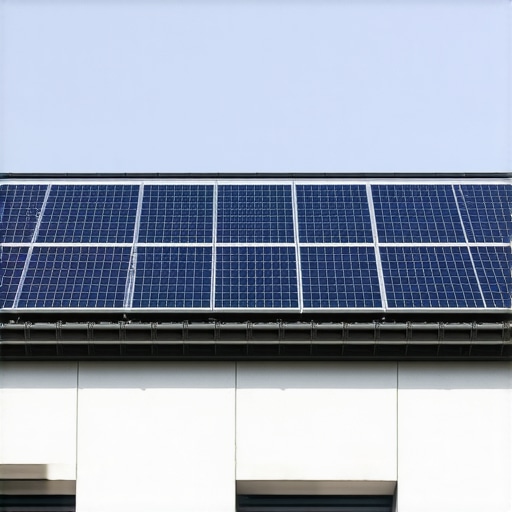
In the quest for smarter, more sustainable homes, innovative roof systems serve as the frontline of resilience and energy management. Adaptive roofing solutions, such as photovoltaic shingles integrated with dynamic insulation, exemplify how cutting-edge engineering is revolutionizing residential architecture. These systems adjust to seasonal fluctuations, optimizing energy capture and retention, thereby reducing reliance on external energy sources. Advances in nanomaterials, like self-healing coatings, further extend roof longevity by actively repairing minor damages and preventing moisture ingress, as detailed in recent studies published in the DOE Solar Technologies Office.
Can AI-Driven Design Predict and Prevent Roof Failures?
Emerging computational tools harness artificial intelligence to simulate stress distribution across complex roof geometries, preemptively identifying potential failure points under various environmental stresses. These models incorporate data from climate models, material fatigue tests, and structural load analyses, facilitating proactive reinforcement strategies. For example, machine learning algorithms can analyze drone-captured imagery post-storm to assess damage, enabling rapid maintenance decisions. Industry leaders like Autodesk are pioneering such integrations, as highlighted in their recent white papers on AI in architectural engineering.
For homeowners, understanding these technological trends underscores the importance of collaborating with architects who leverage such predictive tools, ensuring durability amidst evolving climate challenges. If you’re interested in future-proofing your residence, explore expert consultations that combine traditional craftsmanship with state-of-the-art digital simulations.
What are the critical considerations when implementing smart roofing systems in retrofit projects?
Retrofitting offers unique challenges, notably integrating new systems with existing structures without compromising stability. Key factors include assessing the compatibility of materials, load-bearing capacity, and the potential need for structural reinforcement. Consulting authoritative resources like the FEMA guidelines on retrofit resilience can guide best practices. Additionally, seamless integration with existing electrical systems, especially for solar components, demands careful planning to avoid electrical faults or inefficiencies. Collaborating with specialists in both roofing and renewable energy will streamline the retrofit process, ensuring maximum benefits with minimal disruption.
Leveraging External Data to Chart the Future of Roof Design
Beyond individual projects, the future of roof architecture hinges on the synthesis of big data analytics and environmental forecasting. Urban planners and architects are increasingly utilizing climate models and sensor networks to inform design choices, such as selecting materials resistant to rising temperatures or intense precipitation. For instance, predictive analytics can identify neighborhoods at risk of flood-related damages, prompting the adoption of elevated or reinforced roofing strategies. The integration of such data-driven insights into architectural software enables real-time adjustments and customized solutions, paving the way for resilient urban ecosystems.
Championing Building Codes that Embrace Innovation
Legislative frameworks are evolving to support the deployment of advanced roofing technologies. Building codes now increasingly mandate performance standards for energy efficiency, thermal stability, and storm resistance, which implicitly encourage adoption of innovative systems. Advocacy for adaptive regulations that recognize the benefits of AI-assisted design and nanotech materials remains vital. Professionals engaged in policy development, such as members of the American Institute of Architects, play a pivotal role in translating technological advancements into standardized practices, fostering industry-wide resilience.
Harnessing Climate-Responsive Roofing for Adaptive Living Spaces
In the face of escalating climate variability, architects now see roofs not merely as aesthetic elements but as dynamic shields capable of adapting to environmental stresses. Incorporating climate-responsive features—such as thermochromic coatings that alter reflectivity based on temperature—allows buildings to reduce heat absorption during peak summer months. These technologies, supported by research from the National Renewable Energy Laboratory, exemplify how intelligent material integration elevates both resilience and energy efficiency in modern homes.
Groundbreaking Structural Strategies for Extreme Weather Challenges
Designing roofs capable of withstanding hurricanes, heavy snowfall, and seismic activity involves a synthesis of advanced materials and engineering innovations. Cross-laminated timber (CLT) panels, for instance, provide high strength-to-weight ratios essential for such environments, while seismic isolation systems decouple structure from ground motion. Recent case studies in the ASCE Journal of Structural Engineering reveal that integrating these methods substantially prolongs roof lifespan and maintains architectural integrity under duress.
What Emerging Technologies Are Elevating Roof Longevity and Maintenance?
The advent of nanotechnology-assisted coatings and self-healing materials ushers in a new era of low-maintenance, durable roofing solutions. Self-healing asphalt shingles, embedded with microscale capsules releasing repair agents upon damage, exemplify autonomous longevity enhancement. Moreover, sensor networks embedded within roofing systems continuously monitor structural health, providing predictive insights that prevent failures and optimize maintenance schedules. Companies spearheading these innovations include NanoVerity, which researches nanomaterial applications for residential durability.
Integrating Smart Technologies Within Architectural Roofs for Future-Ready Homes
Smart roofing systems equipped with IoT sensors and adaptive mechanisms facilitate real-time environmental responses, elevating homes into the realm of intelligent buildings. Automated venting, rainwater harvesting integrations, and photovoltaic systems synchronized with home energy management platforms exemplify this evolution. Such integrations not only enhance sustainability but also provide homeowners with unprecedented control and feedback, as detailed in the Smart Cities Council reports emphasizing holistic urban resilience through smart home infrastructure.
Is AI Optimizing Roof Design to Forestall Catastrophic Failures?
Artificial intelligence now plays a pivotal role in predictive structural analysis, simulating stress responses under diverse environmental scenarios. Machine learning algorithms process multimodal data, including drone imagery, climate forecasts, and material fatigue logs, to forecast potential failure points with remarkable accuracy. This predictive capability enables preemptive reinforcement, thereby significantly reducing catastrophic risks. Industry innovators like Autodesk demonstrate how AI-driven design optimizes material placement and structural resilience before construction begins.
To stay ahead in resilient architecture, professionals must embrace these technological frontiers—integrating AI insights into structural planning and material selection to craft homes that withstand future uncertainties.
Expert Insights Elevate Roof Architecture
Modern roofing transcends protection, becoming a statement of sustainability and innovation. Integrating biomimetic materials reduces environmental impact while enhancing durability. Advanced insulation techniques, such as vacuum-insulated panels, significantly lower energy costs, aligning with smart home ecosystems. Modular roof components facilitate quicker installation and easier maintenance, driving efficiency in construction workflows.
Key Resources for Cutting-Edge Roof Strategies
- National Roofing Contractors Association (NRCA): Offers comprehensive guidelines on sustainable roofing practices and material innovations endorsed by industry leaders.
- Journal of Structural Engineering: Features peer-reviewed research on complex roof geometries, load analysis, and resilience strategies pertinent to extreme climates.
- Department of Energy Roofing Guidelines: Provides authoritative insights into energy-efficient roofing materials and passive solar integration techniques.
- AI in Architecture White Papers (Autodesk & Others): Lead the way with emerging AI-driven tools for predictive maintenance and structural optimization in modern roof design.
Why Embrace the Future of Roof Design Today
As the push for resilient, energy-efficient homes intensifies, advanced roof techniques—like adaptive, climate-responsive systems—become indispensable. Recognizing the significance of integrating AI analytics and nanomaterials can redefine durability standards and cost-efficiency. Staying informed through authoritative resources enables architects and homeowners to craft spaces that are both resilient against climate challenges and reflective of cutting-edge aesthetics. For those committed to pioneering sustainable living, actively engaging with such insights and innovations is paramount—your next project could set the benchmark for excellence in modern housing design.