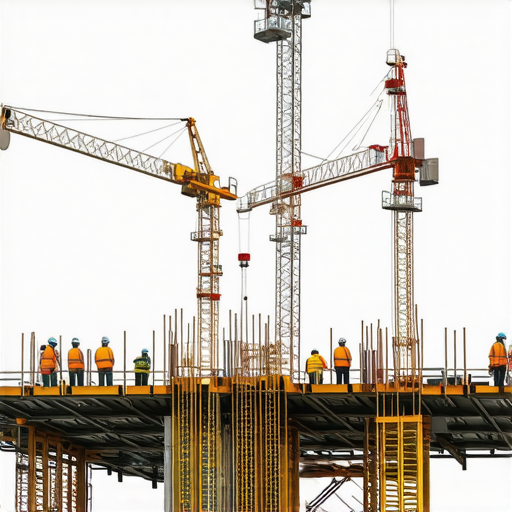

Transforming Residential Spaces: The Strategic Role of Home Remodeling and Expansion
In an era where property values are increasingly linked to innovative design and functional space utilization, understanding the nuances of home remodels and extensions becomes paramount for homeowners and professionals alike. The landscape of home building in 2026 emphasizes not only aesthetic appeal but also strategic enhancements that maximize value, sustainability, and occupant wellbeing.
Advanced Roof Designs for Sustainable Efficiency and Aesthetic Impact
Roof architecture in modern home building transcends mere protection; it embodies energy efficiency and visual harmony. The integration of smart roof designs, such as dynamic insulation systems and environmentally responsive materials, significantly reduces cooling costs, as highlighted by recent analyses in sustainable architecture journals. For instance, innovative smart roof designs leverage airflow and material technology to align with passive solar principles, thereby decreasing energy consumption and carbon footprint.
Enhancing Habitat Quality Through Thoughtful Home Remodeling
High-quality home remodeling prioritizes not just appearance but also structural health, indoor air quality, and adaptability. Incorporation of adaptive reuse techniques and resilience features can drastically increase a property’s marketability and longevity. As regulatory standards evolve with climate considerations, remodeling strategies must also adapt, aligning with best practices documented in authoritative sources like the Journal of Building Engineering.
Optimizing Home Building Efficiency During Project Execution
The process of constructing or expanding a residence requires meticulous planning to avoid costly missteps. Employing comprehensive project management, prefabrication methods, and local expertise enhances the value delivered. For insights into cost-efficient building practices, refer to home building tactics that focus on reducing waste and expediting timelines without compromising quality.
Innovative Patio Designs Enriching Outdoor Living in Compact Environments
Smart patio designs are pivotal for maximizing outdoor living, particularly in urban or small lot settings. Features such as adaptable shading solutions, modular furniture, and multi-functional zones integrate seamlessly into existing home designs, boosting both lifestyle and property appeal. For a comprehensive overview, explore low-maintenance patio designs aimed at busy homeowners.
How Can Integrating Home Design and Extension Strategies Drive Future Property Inflation?
This question encapsulates the crux of modern real estate evolution. The fusion of innovative home designs, strategic extensions, and sustainable practices not only enhances immediate livability but also ensures long-term appreciation. As market analysts suggest, homes with adaptable spaces and eco-conscious architecture are poised for superior investment performance in the coming years.
For professionals seeking a deeper understanding of emerging trends, sharing insights on integrating these complex components can shape the future of residential development. Connect with industry experts through authoritative sources like the American Society of Heating, Refrigerating and Air-Conditioning Engineers (ASHRAE) for the latest in building science innovations.
Embark on a journey of expert-level exploration to craft spaces that are not only visually stunning but financially prudent in the rapidly evolving landscape of 2026 property development.
Harnessing Intelligent Home Layouts for Future-Ready Living
As homeowners seek versatile and adaptable spaces, innovative layout concepts are gaining prominence. The integration of open-concept designs with strategic zoning ensures both functionality and aesthetic flow. For example, incorporating multi-purpose rooms with movable partitions allows residents to customize their environment easily. Moreover, utilizing design principles that promote natural light and ventilation can substantially elevate indoor air quality and energy efficiency, aligning with sustainable building trends. To explore how modern layouts can maximize space utility, consider reviewing modern home designs for small lots.
Smart Material Application Elevates Home Resilience and Sustainability
Advancements in material science are revolutionizing how homes are built and remodeled. The adoption of smart, self-healing concretes, phase-change insulation, and photoactive surface coatings not only extends the lifespan of structures but also reduces ongoing maintenance costs. These materials actively respond to environmental changes, enhancing durability and thermal performance. Integrating such innovative materials into home projects demands expert knowledge, but the long-term benefits—including lower utility bills and increased resilience against climate impacts—are compelling. For strategies on selecting and deploying these smart materials effectively, consult resources like the smart material applications in roofing.
Could the Future of Home Building Lie in Material Innovation and Integration?
This question challenges traditional paradigms, pushing professionals to consider not just how homes are designed, but how they are built from a materials perspective. Experts suggest that the convergence of technology and material engineering will unlock unprecedented opportunities for resilience, energy efficiency, and aesthetic customization in residential architecture. Staying informed about emerging materials and their practical applications is essential for forward-thinking builders and remodelers. For an in-depth review on this topic, visit the latest research in building materials innovation.
To deepen your understanding of integrating cutting-edge techniques into your projects, join professional forums and ongoing education platforms dedicated to sustainable architecture and advanced construction methods. Sharing insights and experiences fosters collective growth and innovation in this dynamic field.
Engage with seasoned industry experts and elevate your projects by exploring comprehensive guides on integrating new technologies into residential development—your clients and investors will thank you for it.
Elevate Your Home’s Potential with Cutting-Edge Automation Systems
Integrating advanced home automation is no longer a luxury but a necessity for the modern, forward-thinking homeowner. Smart systems that control lighting, climate, security, and entertainment can be tailored to individual preferences, seamlessly reconciling energy efficiency with comfort. Moving beyond basic automation, innovations like AI-driven scene adjustments and predictive maintenance are transforming how inhabitants interact with their environments. As highlighted in recent industry analyses, these technologies significantly reduce operational costs and elevate lifestyle quality, providing tangible value in property marketing and long-term sustainability.
How Can Exterior Exposures Be Transformed to Boost Energy Savings and Visual Appeal?
Exterior design elements such as facades, windows, and landscaping contribute significantly to a building’s thermal performance and curb appeal. The adoption of dynamic facades that adapt to environmental conditions—like photovoltaic-enabled shading devices or kinetic cladding—can dramatically improve energy efficiency. Similarly, strategic landscaping, including green walls and reflective surfaces, not only enhances visual aesthetics but also moderates climate interaction with the building envelope. For example, innovative solar facade systems harness sunlight while providing insulation, pushing the envelope on sustainable design practices.
< >
>
Illustration of a kinetic facade system that adjusts dynamically to environmental conditions, optimizing insulation and solar gain.
The Role of Modular and Prefabrication Techniques in Accelerating Construction Cycles
Implementing modular construction methods and prefabricated components can significantly shorten project timelines, reduce waste, and enhance quality control. These approaches allow for precise manufacturing off-site, with assembly streamlined on location, tailoring to complex architectural demands without sacrificing speed or durability. As research underscores, adopting prefabrication techniques aligns with sustainability goals by minimizing site disruption and material wastage, as detailed in recent comprehensive reviews in The Journal of Modern Construction. For firms aiming to stay competitive, embracing these innovative methods facilitates rapid project turnover and adaptable design modifications, ensuring long-term client satisfaction and project resilience.
Designing for Virtually Limitless Outdoor Entertaining Spaces in Compact Lots
Urban infill projects demand creative solutions to maximize outdoor living potential within confined footprints. Incorporating multi-layered decks, retractable shading systems, and vertical gardens transforms small yards into versatile entertainment zones. Incorporating these features thoughtfully can double the functional space, making outdoor gatherings more comfortable and visually engaging. Recent case studies reveal that such integrated outdoor solutions not only elevate property value but also foster community engagement and outdoor wellness. To gain inspiration, explore expert portfolios showcasing innovative patio amalgamations that marry practicality with aesthetic sophistication.
What Impact Will 3D Printing Have on Future Home Construction and Customization?
The advent of large-scale 3D printing technology promises to revolutionize residential build processes by enabling rapid, cost-effective fabrication of complex components. Architects and builders are now experimenting with 3D-printed structural elements, enabling intricate geometries and bespoke designs that were previously unfeasible or prohibitively expensive. Moreover, this technology offers opportunities for on-site customization, reducing logistical challenges and material waste. According to authoritative sources in the field, ongoing research into printable smart materials could soon lead to self-healing walls and integrated environmental sensors, transforming homes into truly intelligent habitats. Embracing these innovations requires a nuanced understanding of material science, digital fabrication, and architectural design principles—areas where ongoing professional development is crucial.
If you’re committed to pioneering future-proof home designs, consider engaging with research networks and industry consortia dedicated to advancing additive manufacturing in construction. Staying updated with the latest breakthroughs not only elevates your expertise but also positions your projects at the forefront of the residential architecture landscape, ensuring enduring relevance and customer satisfaction.
,
Revolutionizing Home Expansion with Adaptive Architectural Elements
Over the past decade, the integration of adaptive architectural components has shifted from a novelty to a necessity within high-end residential remodeling. Implementing kinetic facades and retractable walls allows homeowners to modify spatial configurations in response to seasonal demands or lifestyle changes. This fluidity not only enhances comfort but also adds a strategic dimension to property value retention amid fluctuating market conditions. According to the Architectural Digest, such dynamic design features are increasingly pivotal for future-proofing residences against climate variability and urban density constraints.
Can Eco-Innovations in Material Science Transform Home Resilience?
Emerging advancements in bio-derived and nanostructured materials are redefining the boundaries of sustainable construction. Self-healing concretes, which utilize microcapsules of healing agents, can autonomously repair cracks, thereby extending structural lifespan and reducing maintenance costs. Additionally, phase-change materials (PCMs) embedded within insulation systems regulate indoor temperatures by absorbing or releasing heat, significantly decreasing reliance on HVAC systems. For stakeholders eager to leverage these innovations, consulting peer-reviewed studies such as the latest in smart material engineering offers invaluable insights into practical application and long-term benefits.
What Are the Practical Challenges of Implementing Smart Materials in Home Renovations?
Integrating cutting-edge smart materials demands a nuanced understanding of their compositional properties, compatibility with existing structures, and cost implications. Transitioning from laboratory success to real-world application necessitates collaboration with specialists in material science and building physics. Furthermore, regulatory standards often lag behind technological capabilities, requiring design professionals to advocate for updated codes that recognize these innovations’ safety and performance. Embracing continuous education and participating in industry consortia can position practitioners at the forefront of this transformative trend, ensuring clients receive durable and eco-conscious solutions.
Engagement with authoritative bodies like the American Society of Heating, Refrigerating and Air-Conditioning Engineers (ASHRAE) can provide critical guidance on standards, emerging best practices, and grant access to cutting-edge research that informs responsible adoption of new materials.
Harnessing Data Analytics to Tailor Home Optimization
The role of data-driven decision-making in home remodeling has expanded beyond basic energy audits to encompass predictive analytics and machine learning algorithms. These tools analyze occupant behavior, weather patterns, and material performance metrics to craft customized renovation strategies that optimize energy efficiency and indoor comfort. Implementing such systems requires interdisciplinary expertise, bridging data science, architectural design, and construction management. The results, however, are transformative — enabling personalized environments that adapt proactively, reducing operating costs while elevating occupant well-being.
How Can Digital Twin Technology Reinvigorate Residential Renovation?
Digital twin platforms enable real-time, dynamic modeling of existing home structures, facilitating precise simulations of remodeling impacts before physical implementation. This technology allows stakeholders to assess structural integrity, energy performance, and aesthetic outcomes virtually, minimizing trial-and-error and reducing costly revisions. Adoption of digital twins is particularly advantageous for complex renovation projects involving advanced adaptive systems or smart materials, where predictive accuracy is paramount. As pioneering firms demonstrate, this digital approach accelerates decision-making cycles and enhances stakeholder confidence, ultimately translating into superior project outcomes.
For professionals committed to staying ahead in the competitive renovation landscape, investing in digital twin expertise and comprehensive training in simulation software can be game-changers. Connecting with leading software providers and research institutions ensures access to the latest innovations, enabling the delivery of truly future-ready homes.
,
Expert Insights & Advanced Considerations
Emphasize Flexibility with Modular Design
Incorporating modular and prefabricated components into home projects allows for rapid customization and adaptation, reducing construction time and increasing resilience against market fluctuations. These strategies enable professionals to respond swiftly to evolving client needs while maintaining sustainability standards.
Prioritize Sustainable Material Innovation
Advanced smart materials like self-healing concretes and phase-change insulations offer long-term durability and energy savings. Staying updated on these innovations allows architects and builders to design resilient homes that minimize maintenance and environmental impact, aligning with future regulatory trends.
Leverage Digital Twin Technologies for Precision
The adoption of digital twins facilitates real-time modeling of existing structures, enabling preemptive planning and simulation of remodeling impacts. This approach enhances decision-making accuracy, reduces costly errors, and accelerates project timelines, elevating overall project quality.
Harness Data Analytics for Personalized Home Optimization
Utilizing occupant data and environmental metrics allows for tailored remodeling solutions that optimize energy efficiency and indoor comfort. Integrating predictive analytics enhances adaptability, providing homeowners with smart, responsive living spaces that evolve with their lifestyles.
Explore Smart Automation for Future-Ready Homes
Implementing comprehensive automation systems enhances energy efficiency and lifestyle convenience. Cutting-edge features such as AI-driven climate control and predictive security systems add value, making properties more attractive in competitive markets.
Curated Expert Resources
- Building Science Corporation — Offers in-depth research and case studies on cutting-edge sustainable construction techniques and smart materials.
- Digital Twin Consortium — Provides industry insights and best practices for implementing digital twin technology in building projects.
- Data-Driven Design Journals — Publishes pioneering studies on occupant analytics and adaptive home design strategies.
- American Society of Heating, Refrigerating and Air-Conditioning Engineers (ASHRAE) — A valuable resource for standards and innovations in energy-efficient building systems.
- Architecture & Construction Innovation Forums — Facilitates professional exchange on integrating modular, prefabricated, and smart building techniques.
Final Expert Perspective
As the evolution of home building accelerates, embracing innovative materials, digital tools, and strategic design principles becomes essential for industry leaders. Integrating these advanced considerations within your projects not only elevates quality and resilience but also positions you at the forefront of sustainable, high-tech residential development. For professionals committed to shaping the future, ongoing engagement with cutting-edge resources and industry collaboration will define success in this rapidly transforming landscape. Share your insights, explore emerging technologies, and lead the way toward smarter, more adaptable homes.