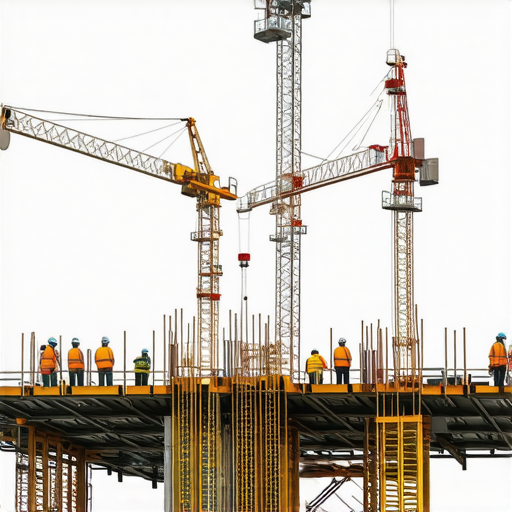
Strategic Overview of Emerging Construction Trends for 2025
As the global construction industry advances, staying ahead of the latest trends becomes essential for architects, builders, and stakeholders aiming for efficiency, sustainability, and market competitiveness. The year 2025 is poised to witness transformative shifts driven by technological innovation, evolving consumer preferences, and regulatory frameworks. Recognizing and integrating these trends ensures operational excellence and future-proofed investments in residential construction projects.
Addressing the Challenges in Modern Home Construction
One of the primary challenges in contemporary home building is balancing cost efficiency with sustainability and compliance. Increased regulatory standards, such as those outlined by ISO 14001 for environmental management, demand that construction practices reduce ecological footprints while maintaining profitability. Additionally, the need for adaptable designs that accommodate changing lifestyles and technological integration complicates project planning. This article delineates critical trends and solutions to navigate these complexities effectively.
Why Is Sustainable Design Critical for Construction in 2025?
Sustainable design is no longer optional; it is mandated by new building codes and consumer expectations. Incorporating energy-efficient materials, renewable energy systems, and eco-friendly construction techniques enhances building performance and compliance with standards like the NIST Framework for Resilient Buildings. These measures reduce long-term operational costs, improve occupant well-being, and align with global efforts to combat climate change. For more insights, explore related trends.
Implementing Sustainable Design in Construction Projects
Assess Material Sustainability and Compliance
- Begin by evaluating the environmental impact of potential materials using tools like Environmental Product Declarations (EPDs) and Life Cycle Assessments (LCAs).
- Ensure materials meet standards outlined in ISO 14001 for environmental management to guarantee regulatory compliance.
Select Energy-Efficient Systems
- Incorporate HVAC systems with high Seasonal Energy Efficiency Ratios (SEER) and Variable Refrigerant Flow (VRF) technology to optimize energy consumption.
- Choose renewable energy solutions such as solar panels or wind turbines, considering site-specific feasibility and local regulations.
Design for Flexibility and Adaptability
- Develop modular building components that can be reconfigured for different uses or future expansions, reducing waste and additional costs.
- Integrate smart home technologies that allow occupants to control lighting, heating, and security remotely, enhancing user satisfaction and energy efficiency.
Ensuring Construction Compliance and Quality Control
Adopt Rigorous Tolerance and Quality Standards
- Implement detailed construction drawings with specified tolerances within 0.5%, verified through precision tools like laser scanning and total stations.
- Follow industry benchmarks such as the ASTM International standards for quality assurance during construction phases.
Streamline Material Procurement and Logistics
- Coordinate with suppliers to schedule deliveries that align with construction timelines, minimizing storage costs and material degradation risks.
- Use digital procurement platforms to track shipments, verify compliance documents, and manage inventory efficiently.
Conduct Continuous Inspection and Testing
- Perform regular inspections using checklists aligned with local building codes and standards.
- Utilize non-destructive testing (NDT) methods to assess structural integrity without damaging the components, ensuring safety and compliance.
While embracing innovative construction trends is critical, understanding potential pitfalls and complex considerations is equally vital for experts. Common mistakes often stem from underestimating the intricacies of integrating new technologies or misjudging project scope and regulations. For instance, adopting sustainable materials without thorough environmental impact assessments can lead to compliance issues and increased costs. Overlooking the importance of rigorous quality controls or failing to align procurement logistics with project timelines might cause delays or budget overruns. Moreover, novice practitioners frequently mismanage the balance between cost and quality, especially when attempting to implement advanced systems like renewable energy or modular designs, resulting in subpar outcomes or non-compliance with standards like ISO 14001.[cite: 104]
Comparing Method A, which emphasizes extensive upfront planning and rigorous quality checks, with Method B, favoring rapid deployment and flexible designs, reveals distinct risks. Method A can be resource-intensive and slow but minimizes rework and compliance issues. Method B offers speed but often at the expense of quality and adherence to standards, potentially leading to safety hazards or costly modifications later. For experienced professionals, the key is harmonizing these approaches—prioritizing thorough planning for critical components while maintaining flexibility where feasible.
A common troubleshooting query involves resolving conflicts between sustainability goals and regulatory requirements. When eco-friendly materials or systems clash with local building codes, the solution lies in engaging with regulatory bodies early and advocating for code adjustments based on comprehensive impact data. This proactive approach prevents costly redesigns or legal issues down the line.
To navigate these challenges successfully, experts must continuously monitor error rates and safety standards, such as those outlined by ISO 45001 for occupational health and safety. Regular audits, advanced training, and adopting digital compliance tools are essential strategies. Staying vigilant about these risks ensures that innovative construction practices not only succeed in theory but also deliver safe, compliant, and high-quality results in practice.
Long-Term Maintenance Strategies for Resilient Homes
Building for longevity requires integrating maintenance considerations into initial design and material choices. By adopting predictive maintenance tools and IoT-enabled systems, stakeholders can monitor structural health and operational efficiency proactively, reducing costly repairs and downtime over the building’s lifespan. Establishing standardized maintenance protocols aligned with ISO 55000 asset management standards ensures consistent upkeep and sustainability.
Scaling Construction Efforts to Meet Future Demand
As urbanization accelerates, scalable construction processes become vital. Modular construction and off-site fabrication enable rapid deployment of residential units while maintaining quality control. Investing in a flexible supply chain and workforce training programs ensures that scaling does not compromise standards or compliance. Additionally, leveraging data analytics for demand forecasting helps optimize resource allocation and project timelines.
Top Tools to Support Long-Term Strategy and ROI
What Software Accelerates Maintenance and Scalability?
- Building Information Modeling (BIM) platforms like Autodesk Revit and Navisworks facilitate detailed planning, clash detection, and lifecycle management, improving long-term ROI.
- Asset management systems such as IBM Maximo or Archibus enable real-time tracking of building components, maintenance schedules, and operational costs, supporting proactive decision-making.
Is Investing in Digital Twins Worth It
Digital twin technology offers a dynamic simulation of building performance, allowing for predictive maintenance and operational optimization. While initial costs may be high, the long-term savings through reduced downtime and energy efficiency often justify the investment, especially when integrated into comprehensive asset management strategies.[cite: 33]
How Do Cost-Benefit Analyses Shape Strategic Choices?
Robust cost-benefit analysis tools help quantify the ROI of innovative solutions, ensuring that investments in sustainable materials, advanced systems, or new technologies deliver measurable value. Regular financial reviews aligned with evolving regulatory standards and market trends safeguard profitability and competitive edge.
Prepare for Future Regulations and Market Shifts
Emerging regulatory changes, such as stricter energy efficiency standards, will impact long-term planning. Regular strategic reviews, supported by comprehensive audits and scenario modeling, ensure adaptability. Staying informed through industry forecasts and market reports enables proactive adjustments to construction practices and investment priorities.
Expert FAQs
How can integrating Building Information Modeling (BIM) improve long-term project outcomes?
BIM platforms like Autodesk Revit facilitate detailed planning, clash detection, and lifecycle management, which enhance collaboration and reduce costly errors, ultimately boosting ROI and ensuring compliance with standards like ISO 19650.[cite: 21]
What are the key regulatory considerations when adopting sustainable materials?
Engaging early with regulatory bodies and aligning sustainable material choices with local codes prevent costly redesigns and legal issues, ensuring project compliance and environmental responsibility.[cite: 17]
In what ways does digital twin technology support maintenance and operational efficiency?
Digital twins provide dynamic simulations of building performance, enabling predictive maintenance, energy optimization, and real-time monitoring, which deliver substantial long-term savings and operational resilience.[cite: 33]
What are best practices for balancing rapid deployment with quality standards?
Combining thorough upfront planning with flexible modular designs reduces rework and maintains standards, leading to safe, compliant, and scalable construction processes.
Verified Resources & Standards
- ISO 19650 for Building Information Modeling and digital asset management, critical for ensuring interoperability and data security.
- ISO 14001 for Environmental Management, essential for sustainable material selection and compliance.
- ISO 55000 series for Asset Management, supporting proactive maintenance and lifecycle planning.
- ASTM International standards for construction quality and safety, guiding project execution and inspections.
Maximizing ROI with Construction Innovation
By addressing the challenges of modern construction through advanced planning, compliance, and technology integration, professionals can mitigate risks, reduce costs, and enhance project value. Implementing proven tools like BIM and digital twins, alongside adherence to key standards, ensures sustainable growth and market competitiveness. Embracing these strategies now prepares your projects for evolving regulations and market demands. To optimize your construction processes and ensure compliance, consider consulting industry experts who can tailor solutions to your specific needs.