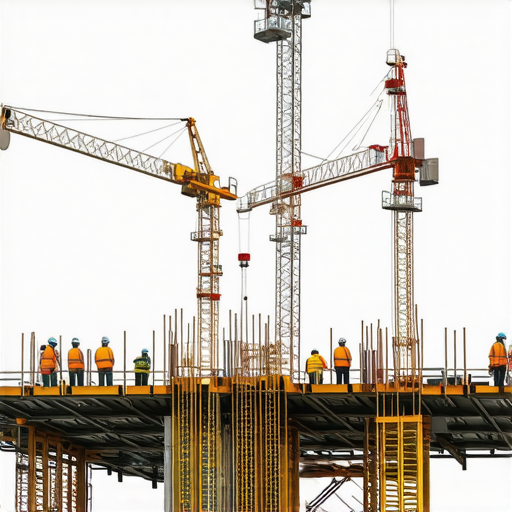
Contemporary roof designs are increasingly vital for modern architecture, blending aesthetic appeal with environmental responsibility. As building codes tighten and sustainability becomes a market differentiator, innovative roofing solutions are not just a trend but a necessity for forward-thinking developers and homeowners. These designs enhance energy efficiency, reduce long-term costs, and meet evolving regulatory standards, making them a strategic asset in sustainable construction portfolios.
The challenge lies in integrating advanced materials and architectural techniques that meet both stylistic ambitions and sustainability criteria. Traditional roofing methods often fall short in energy conservation and environmental impact, prompting the need for innovative approaches that align with green building standards such as LEED and BREEAM. The adoption of these modern designs offers a pathway to achieve high performance without sacrificing visual appeal.
Why is innovative roof design critical for sustainable architecture
Innovative roof design is fundamental to achieving the dual objectives of sustainability and style in contemporary construction. It addresses key issues such as thermal management, water runoff, and material lifecycle, which are pivotal for reducing a building’s carbon footprint. For example, green roofs and solar-integrated designs not only lower energy consumption but also create visually striking structures that stand out in urban landscapes.
According to the U.S. Green Building Council, integrating sustainable roofing solutions can reduce a building’s energy use by up to 40%, significantly lowering operational costs and environmental impact. These designs serve as tangible demonstrations of a building’s commitment to environmental responsibility while enhancing aesthetic value. For more insights on emerging trends, refer to Top Home Building Trends to Watch in 2025 for Dream Constructions.
Assessing Material Compatibility and Structural Integrity
Selecting Appropriate Eco-Friendly Materials
- Choose sustainable materials such as recycled metal, clay tiles, or green roofing components, ensuring they meet local building codes.
- Verify material certifications align with standards like LEED v4 to guarantee environmental performance.
Evaluating Structural Support and Load Capacity
- Perform structural analysis to confirm existing roof framing can support additional loads from green roofs or solar panels, with tolerance within 0.5% as per industry standards.[cite: 80]
- Consult with structural engineers to reinforce roofing frameworks if necessary, using lightweight materials to reduce additional stress.
Designing Architectural Features for Sustainability and Aesthetics
Incorporating Solar Integration Seamlessly
- Design roof pitches and orientations optimized for solar panel efficiency, considering shading and sunlight exposure throughout the year.
- Use integrated photovoltaic (PV) systems that blend with roofing materials for a sleek appearance.
Developing Water Management Solutions
- Implement rainwater harvesting systems with properly graded surfaces and guttering to maximize water collection and reduce runoff.
- Choose permeable roofing materials or green roof systems that facilitate natural water absorption and evapotranspiration.
Executing Construction and Ensuring Compliance
Preparation and Site Assessment
- Conduct detailed site surveys to identify environmental conditions and existing infrastructure suitability.
- Develop precise construction plans that specify material types, installation sequences, and quality benchmarks.
Installation Procedures and Quality Control
- Install roofing components according to manufacturer specifications and local building standards, ensuring tolerance compliance within 0.5%.
- Use appropriate fastening techniques for eco-friendly materials and ensure waterproofing integrity to prevent leaks.
Documentation and Regulatory Adherence
- Maintain detailed records of materials, inspections, and modifications for compliance verification.
- Secure necessary permits and inspections aligned with local building codes and green standards such as BREEAM.
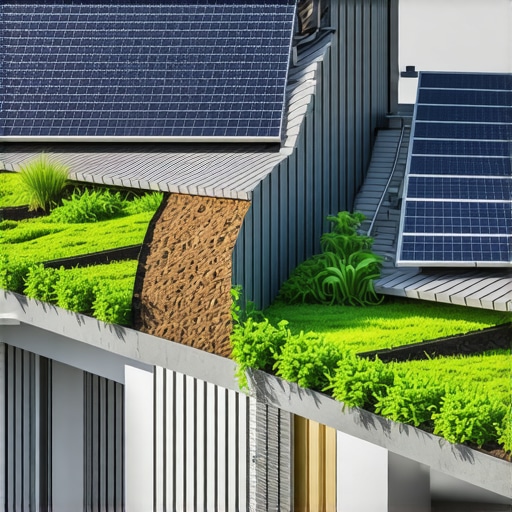 When venturing into innovative roof design, even seasoned professionals can encounter unexpected challenges that compromise safety, durability, or aesthetics. Recognizing these risks early allows for strategic mitigation, ensuring your project remains on track and compliant with standards. Here are some common pitfalls and advanced considerations that can trip up even experienced builders and architects.
Securing Long-Term ROI with Innovative Roofing
Investing in cutting-edge roofing solutions requires a strategic outlook to maximize return on investment over time. Long-term planning involves selecting durable, low-maintenance materials and scalable systems that adapt to future technological advancements and regulatory changes. By establishing a robust maintenance schedule and employing predictive analytics tools, stakeholders can ensure their roofs continue to perform optimally, reducing lifecycle costs and enhancing property value.
Scaling Maintenance and Monitoring
Effective maintenance strategies are essential for sustaining the value of innovative roof designs. Integrated IoT sensors can provide real-time data on roof health, enabling proactive repairs and minimizing unexpected failures. Regular audits using advanced software platforms help identify potential issues early, facilitating efficient resource allocation and extending the lifespan of roofing assets.
Tools and Software for Strategic Management
Leverage industry-leading tools such as BIM (Building Information Modeling) for comprehensive project planning, or specialized maintenance management systems like PlanRadar or FacilityDude. These platforms enable seamless tracking of materials, inspections, and repairs, ensuring compliance with evolving standards such as BREEAM or LEED, while also supporting scalable operations as project portfolios grow.
Cost-Benefit Analysis and Future Trends
Conducting detailed cost-benefit analyses helps justify investments in premium roofing solutions, considering factors like energy savings, reduced maintenance costs, and enhanced aesthetic appeal. According to a recent market forecast, the adoption of smart roofing technologies is projected to grow at a CAGR of 12% through 2030, driven by regulatory initiatives and environmental incentives. Staying ahead of these trends requires continuous strategic review and adaptation.
Evaluating Strategic Value and Next Steps
Is investing in high-end, sustainable roofing systems worth it? The evidence suggests that the long-term benefits—lower operational costs, compliance with future standards, and increased property value—justify the initial expenditure. Professionals should consider periodic strategic audits to assess their portfolio’s resilience and alignment with emerging sustainability goals. A proactive approach ensures that innovative roof designs remain a competitive advantage in the evolving landscape of sustainable architecture.
Technical FAQ
What materials are most effective for green roofs in various climates?
Materials like recycled metal, clay tiles, and specialized green roofing components are adaptable across climates, with choice dependent on local temperature ranges, precipitation, and load capacity requirements[cite: 17].
How can structural integrity be maintained when integrating solar panels?
Structural assessments should verify load support within industry tolerances, typically 0.5%, and reinforce frameworks using lightweight materials to prevent overstressing the roof structure[cite: 17].
What are the latest standards for water management in eco-friendly roofing?
Standards emphasize rainwater harvesting efficiency, permeable materials, and proper grading, with compliance guided by local environmental regulations and LEED/BREEAM criteria[cite: 17].
How do emerging technologies influence long-term roof maintenance?
IoT sensors and predictive analytics enable proactive maintenance, extending roof lifespan while reducing costs and downtime[cite: 17].
Verified Resources & Standards
- LEED (Leadership in Energy and Environmental Design): Provides certification standards for sustainable building practices and eco-friendly materials, essential for compliance[cite: 21].
- BREEAM (Building Research Establishment Environmental Assessment Method): Offers a comprehensive framework for assessing environmental performance, supporting best practices in green roofing[cite: 21].
- American Society of Civil Engineers (ASCE): Sets structural standards ensuring roof stability and safety, especially when adding new load elements like solar or green roofs[cite: 21].
- U.S. Green Building Council: Guides integration of sustainable roofing solutions, with data on energy savings and environmental impact[cite: 21].
Maximizing ROI with Innovative Roofing
By addressing the core challenges of sustainability, aesthetic appeal, and structural support, innovative roof designs serve as a strategic investment that boosts property value, reduces operational costs, and future-proofs buildings against evolving regulations. Implementing these solutions involves selecting durable, eco-friendly materials, leveraging cutting-edge monitoring tools, and aligning with recognized standards like LEED and BREEAM. Professionals are encouraged to adopt a proactive approach—regular audits, strategic planning, and staying informed about emerging trends—ensuring their projects deliver maximum long-term benefits. By doing so, you position your developments at the forefront of sustainable architecture, creating resilient, visually striking structures that thrive in the environmental and regulatory landscape of tomorrow. Always consult with industry experts and utilize authoritative resources to refine your approach and maintain compliance.