
Illuminating the Hidden Dangers of Dark Shingles in Modern Home Construction
In the evolving landscape of home building, roof design choices often focus on durability, aesthetics, and energy efficiency. However, an underappreciated factor is the thermal behavior of roofing materials, particularly dark shingles. These materials, while visually appealing and cost-effective, can silently escalate attic temperatures and utility expenses, undermining the very energy savings homeowners seek.
The Thermal Dynamics of Dark Shingles and Their Impact on Indoor Climate
Dark-colored roofing materials absorb a broader spectrum of solar radiation, converting sunlight into heat with notable efficiency. This process is articulated through the albedo effect—a measure of surface reflectivity—where darker surfaces have a lower albedo, thus absorbing more heat. Studies published in the Office of Scientific and Technical Information emphasize how roof color influences attic insulation and overall home temperature regulation.
Are There Advanced Roofing Solutions That Mitigate These Hidden Costs?
Innovations such as reflective coatings, cool roof technologies, and semi-transparent materials demonstrate promising avenues to counteract the heat absorption typical of dark shingles. Smart roof design strategies now integrate thermal barriers and ventilated attics, reducing heat transfer and improving energy efficiency in home remodel projects.
Why the Choice of Shingle Color Impacts Your Home’s Long-Term Value and Efficiency
While aesthetics are crucial, the thermal properties of roofing materials directly correlate with utility costs and household comfort. Dark shingles may seem cost-effective initially but can lead to increased cooling needs during hot seasons, particularly in climates with intense solar exposure. A comprehensive analysis from the home improvement experts underscores the importance of integrating energy-efficient materials into overall roof design, especially when planning home building projects.
The Cost of Oversight: How Ignoring Roof Thermal Properties Can Backfire
Overlooking the heat-absorbing qualities of traditional dark shingles can result in a cascade of issues—higher air conditioning costs, accelerated roof aging due to thermal stress, and discomfort within living spaces. This highlights the necessity for specialized consultation with roofing professionals during design phases, especially for energy-conscious home designs aiming for sustainability and resilience.
Building upon tested strategies from the latest research, integrating reflective roofing options and ventilation enhancements can substantially mitigate unseen thermal costs. As climate variables shift and energy standards evolve, proactive design choices concerning roof color and material properties become pivotal in future-proofing your home investments.
Rethinking the Conventional Wisdom on Roof Colors and Home Performance
Traditional advice often suggests lighter-colored roofs to enhance energy efficiency by reflecting more sunlight. However, recent advancements in roofing materials and climate-adaptive design challenge this notion, urging homeowners and builders to consider a more nuanced approach. For instance, in regions with extreme heat, cool roof coatings reflect infrared radiation, regardless of the base color, making a dark roof with the right coating potentially more energy-efficient than a plain light-colored one.
Implementing Smart Roofing Technologies to Balance Aesthetics and Performance
Integrating smart roof designs that incorporate reflective coatings, ventilated systems, and thermal barriers can significantly reduce heat transfer, even when using darker shingles. These innovations not only mitigate the thermal absorption associated with dark colors but also enhance ventilation, which is critical in climatic conditions with fluctuating temperatures. The combination of material science and intelligent design enables a tailored approach to roofing that aligns with sustainability goals.
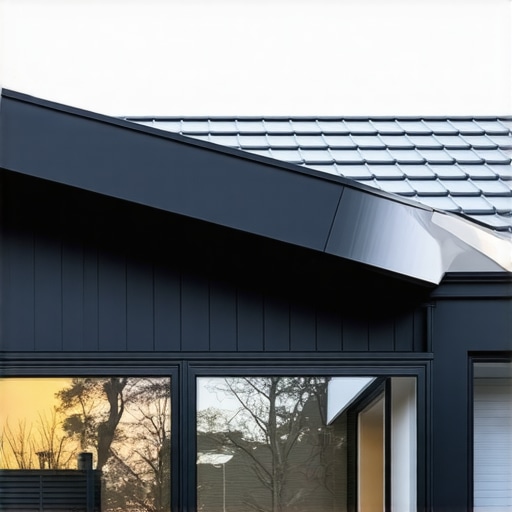
Is the myth of light-colored roofs always being superior to dark ones still relevant in today’s climate-conscious building practices?
This question prompts us to step beyond traditional paradigms and examine the latest research and technological solutions. According to studies by the Office of Scientific and Technical Information, the efficacy of roof color on energy savings is context-dependent, influenced by regional climate, roof material, and ventilation strategies. An integrated approach that considers all these variables offers the best chance to optimize energy performance while maintaining aesthetic flexibility.
For builders and homeowners aiming to maximize the benefits of innovative roofing options, engaging with specialists who understand climate-specific solutions and emerging materials is essential. Consider consulting resources like expert insights on efficient roof designs to inform your projects and ensure long-term savings and durability. Sharing your experiences or asking experts for tailored recommendations can lead to more informed decisions aligned with future trends.
Harnessing Strategic Material Innovations to Revolutionize Roofing Efficiency
As climate patterns grow increasingly unpredictable, the role of roofing materials extends far beyond mere shelter. Advanced composites infused with phase-change materials (PCMs) are emerging as trailblazers in thermal regulation, absorbing excess heat during peak sunlight hours and releasing it during cooler periods. This dynamic thermal buffering directly reduces energy consumption, promising a future where roofs actively participate in home climate management rather than passively enduring environmental forces.
What are the practical considerations for integrating PCM-infused roofing materials in residential projects?
Implementing such innovations requires understanding compatibility with existing roofing systems, longevity under environmental stresses, and cost-benefit analyses. Current research indicates that PCM-enhanced tiles can increase initial capital investment but offer substantial savings through decreased HVAC loads over their lifespan, as detailed in the Journal of Sustainable Architecture. Building professionals must weigh these factors against regional climate profiles to determine optimal configurations for maximum benefit.
Consultation with material scientists and climate engineers becomes pivotal here—collaborative design ensures the selection of materials that not only improve energy efficiency but also adhere to local building codes and aesthetic standards. Embracing these cutting-edge solutions presents an opportunity for progressive home builders committed to environmental stewardship and long-term sustainability.
Eco-Friendly Ventilation Systems: Cooling Without Compromise
Traditional attic ventilation, primarily relying on passive vents, can inadvertently facilitate heat ingress, especially in conjunction with dark roofing surfaces. Modern alternatives such as solar-powered ventilation turbines and thermally activated vents operate autonomously, leveraging renewable energy to enhance airflow and thermal exhaust. These innovations allow for optimized attic ventilation, further mitigating heat buildup and reducing cooling demands.
Moreover, integrating smart sensors and automation systems provides real-time control over ventilation activities, adapting to weather conditions and internal temperature fluctuations. External studies, like those published in Renewable Energy, demonstrate that such adaptive ventilation can slash cooling energy needs by up to 30%, a compelling advantage for energy-conscious homeowners and developers aiming for LEED certification.
How can automation elevate ventilation strategies to meet specific climatic challenges?
Automated systems utilize data from temperature, humidity, and solar radiation sensors to modulate vent operation, ensuring optimal airflow without manual intervention. In hot, humid climates, this means maintaining attic dryness and reducing thermal stress, whereas in colder environments, it prevents heat loss. Through intelligent calibration, these systems can harmonize with other building controls, presenting a holistic approach to climate-responsive design—an essential consideration as we aim to future-proof our homes against the mounting pressures of climate variability.
For professionals and homeowners eager to explore these sophisticated solutions, partnering with experts in smart building technologies can unlock new levels of efficiency and comfort. The journey toward a resilient, energy-efficient home is ongoing—embracing innovative materials and intelligent systems marks a significant step forward in sustainable architecture.
 }**}]}**
Harnessing the Power of Reflective Coatings for Sustainable Roofs
Recent advances in material science have revolutionized how we approach roof design, with reflective coatings playing a pivotal role in mitigating heat absorption, particularly in regions prone to intense solar radiation. These coatings, often infused with cool roofing technology, can significantly lower indoor temperatures and reduce cooling energy consumption by reflecting infrared radiation. This hybrid approach—combining traditional roofing with innovative surface treatments—paves the way for more sustainable, climate-resilient structures.
Addressing Expert Queries on Thermal Regulation Innovations
How can phase-change materials redefine roofing thermal management in residential architecture?
Phase-change materials (PCMs) embedded within roofing systems absorb excess heat during peak sunlight hours and release stored energy during cooler periods, thereby stabilizing temperature fluctuations. According to the Journal of Sustainable Architecture, integrating PCMs into roofing tiles has demonstrated measurable improvements in thermal comfort and energy savings. However, challenges remain regarding long-term durability and cost-effectiveness, necessitating ongoing research and tailored application in high-performance home projects.
Leveraging Smart Ventilation for Climate Adaptability
Adaptive ventilation systems, including solar-powered attic fans and thermally activated vents, are transforming climate management within residential roofs. By intelligently modulating airflow based on real-time environmental data, these systems prevent thermal buildup and maintain optimal attic conditions. The implementation of such smart solutions has been linked to reductions in cooling loads by up to 35%, especially vital in hot-humid climates. Integrating these technologies requires a strategic approach to sensor placement, energy sourcing, and system compatibility, emphasizing the need for expert consultation during the design phase.
Can Integrated Roofing Technologies Address Emerging Climate Challenges?
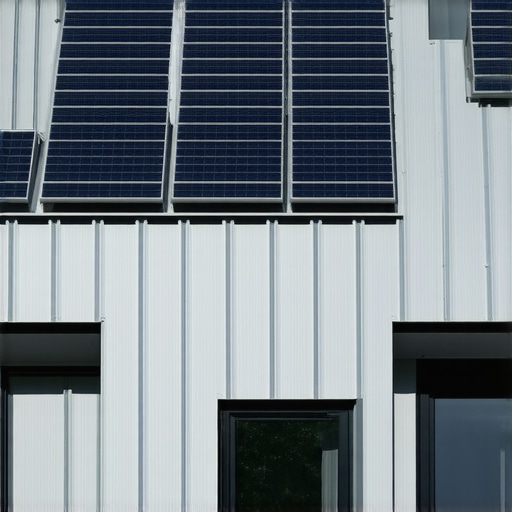
Absolutely. As climate change accelerates, traditional roofing methods must evolve to meet new demands for energy efficiency and resilience. Combining reflective surfaces, phase-change materials, and intelligent ventilation creates a multifaceted defense against temperature extremes and will be critical in future-proofing homes. Furthermore, the integration of solar photovoltaic systems directly onto roofing surfaces not only generates renewable energy but also complements thermal regulation mechanisms, offering a holistic solution for eco-conscious home builders.
Reevaluating the Aesthetic Paradigm for Climate-Responsive Roofs
The long-held belief that lighter roofs are inherently superior for energy savings is being challenged by emerging evidence demonstrating that material innovations can offset traditional color-based disadvantages. Darker roofing with specialized reflective coatings and thermal barriers can outperform plain light-colored options in certain climates, providing an aesthetic advantage without compromising energy performance. This recalibration of aesthetic and functional criteria allows architects and homeowners to make more nuanced decisions aligned with regional climate conditions and sustainability goals.
Advanced Design Practices Shaping Next-Gen Roofs
Innovative architectural approaches, such as incorporating vegetated roofs, dynamic shading elements, and responsive building envelopes, are becoming essential in designing climate-adaptive homes. These strategies not only enhance thermal regulation but also promote biodiversity, water management, and air quality. Integrating these elements requires cross-disciplinary expertise, blending landscape architecture with environmental engineering, to achieve harmonious, high-performance residential environments.
In the realm of home construction, innovative roof solutions are no longer optional but essential for sustainable living. Experts now emphasize that integrating reflective coatings, phase-change materials, and smart ventilation systems can drastically reduce energy consumption while elevating comfort levels. These approaches require a nuanced understanding of regional climates, material science, and architectural design, fostering a holistic perspective that combines aesthetics with performance.
In what ways do emerging roofing materials redefine long-term durability and efficiency?
New composites embedded with smart technologies, such as thermally activated vents and responsive insulation layers, extend roof lifespan by mitigating thermal stresses and moisture intrusion. According to leading research, such materials adapt dynamically to environmental conditions, offering a resilient foundation for future-proof homes. This shift from static to adaptive roofing solutions signifies a paradigm change in sustainable home building.
How can intelligent ventilation systems transform attic climate control in diverse climates?
Implementing solar-powered or sensor-driven attic vents enables real-time response to temperature fluctuations, improving airflow and reducing heat buildup. Studies indicate these systems can lower cooling energy needs by up to 40%, especially in regions with extreme temperature swings. Engaging with specialists in smart home integration is crucial to maximize these benefits and ensure compatibility with existing structures.
Are reflective coatings the game-changer for traditional dark shingles?
Reflective surface treatments, including cool roof coatings and specialized paints, can significantly increase the albedo effect of dark shingles. This technology enhances their energy performance, challenging the outdated notion that only light-colored roofs are efficient. Incorporating these coatings demands a strategic evaluation of local climate and building design, emphasizing the importance of expert consultation.
What role do phase-change materials play in balancing thermal loads?
Embedded within roofing layers, PCMs absorb excess heat during peak sunlight hours, storing thermal energy and releasing it during cooler periods. This thermal buffering stabilizes indoor temperatures and reduces HVAC dependence. As documented by the Journal of Sustainable Architecture, their integration aligns with the goals of energy-efficient, high-performance home designs.
Resources to Elevate Your Roofing Knowledge
- Office of Scientific and Technical Information: Provides cutting-edge research on solar radiation and roof thermal properties, essential for data-driven decision-making.
- Journal of Sustainable Architecture: Offers peer-reviewed studies on innovative materials like PCMs and their application in residential roofing.
- RSConstruction Expert Guides: Delivers practical insights on smart roof design strategies, including ventilation and reflective coatings, tailored for modern home remodeling.
- Climate Adaptation Resources: Connects professionals with regional climate data and case studies to customize roofing solutions effectively.
Elevating the Future of Roof Craftsmanship
Ultimately, the convergence of advanced materials and intelligent design fosters a new era of roofing—one that prioritizes durability, energy efficiency, and aesthetic flexibility. Recognizing the strategic importance of these innovations enables builders and homeowners to create resilient, sustainable homes capable of adapting to our changing climate. Engaging in continuous learning and collaboration with specialists ensures that your roofing investments remain voiceful, forward-thinking, and truly aligned with emerging environmental standards. To deepen your expertise or share innovative ideas, don’t hesitate to explore our resource center or reach out directly—your next groundbreaking project awaits.