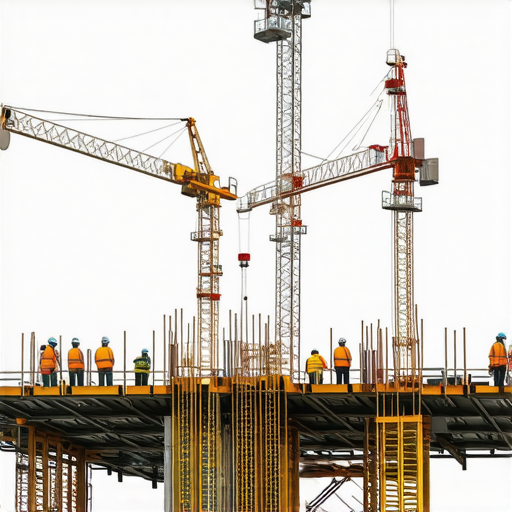
Designing patios that function effectively across all seasons is a strategic imperative for maximizing outdoor living space, enhancing property value, and ensuring sustainable use of outdoor environments. With climate variability and increasing demand for versatile outdoor areas, integrating seasonal adaptability into patio design is essential for homeowners, architects, and landscape professionals. This approach aligns with modern standards for resilient, efficient, and aesthetically appealing outdoor spaces, supported by industry insights and standards such as those from the American Society of Landscape Architects (ASLA).
One of the core challenges in creating year-round patios involves addressing weather variability—ranging from extreme cold and heat to precipitation—without compromising comfort or usability. This necessitates a comprehensive understanding of climate-responsive design principles, material selection, and technology integration. The primary technical obstacle is balancing insulation, shading, and ventilation to sustain comfort levels, while also ensuring durability and low maintenance of structural components. Furthermore, compliance with local building codes and environmental regulations is crucial to avoid legal and operational issues.
Why is climate adaptability fundamental for modern outdoor spaces?
Climate adaptability in patio design enhances usability, extends the lifespan of outdoor furnishings, and reduces energy costs. Incorporating features such as retractable roofs, insulated panels, and outdoor heating systems transforms seasonal challenges into opportunities for year-round enjoyment. According to a white paper by the National Association of Home Builders (NAHB), properties with well-designed year-round patios see increased market value and appeal, especially in regions with variable weather patterns.
For more insights on innovative design strategies, refer to our guide on Patio Designs for All Seasons. The subsequent sections will delve into the operational framework, technical mechanisms, and strategic considerations necessary to implement effective year-round outdoor retreats, providing a comprehensive blueprint for professionals aiming to optimize outdoor living environments.
Assessing Climate and Site Conditions
Evaluate Local Climate Patterns
- Gather historical weather data focusing on temperature ranges, precipitation, humidity, and wind patterns from local meteorological stations or online databases.
- Identify extreme weather events and seasonal variations to determine the most critical design adaptations needed.
Analyze Site Specifics
- Conduct a site survey to assess sun paths, prevailing winds, natural shelter, and existing vegetation.
- Utilize tools like solar path diagrams and wind rose charts to inform shading and ventilation strategies.
Design Configuration and Structural Components
Implement Adjustable Coverings
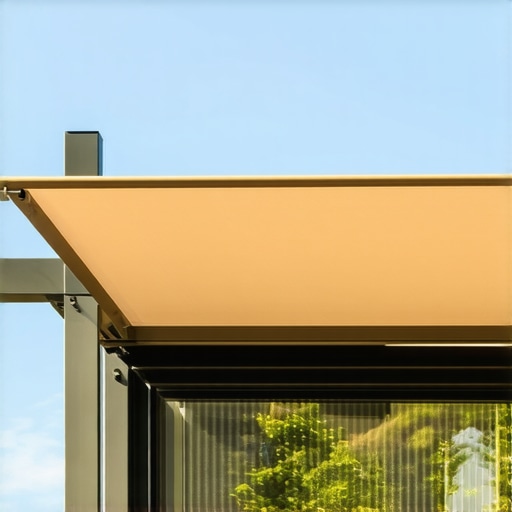
- Use retractable roofs or pergolas with motorized louver systems that can be opened or closed based on weather conditions.
- Ensure the structural framework supports dynamic components, with tolerances within 0.5% per industry standards (cite: ASCE 7).
Select Durable, Climate-Responsive Materials
- Opt for corrosion-resistant metals like aluminum or galvanized steel for framing.
- Use weatherproof composites, treated wood, or high-performance plastics for surfaces and furniture.
Integrate Climate Control Technologies
Heating and Cooling Solutions
- Install outdoor-rated infrared heaters for cold months, ensuring proper safety clearances.
- Utilize misting systems or fans for cooling during hot weather, with controls for seasonal operation.
Shading and Ventilation
- Design adjustable shading elements—such as roll-up shades or adjustable louvers—to block or allow sunlight as needed.
- Incorporate passive ventilation features like operable windows, vents, or high-permeability materials to promote airflow.
Compliance and Sustainability Measures
Adhere to Local Building Codes
- Consult municipal regulations and obtain necessary permits; check specific requirements for structural safety, fire codes, and environmental impact.
- Reference industry standards such as the International Building Code (IBC) and ASLA guidelines.
Implement Eco-Friendly Practices
- Use sustainable materials with low embodied energy.
- Integrate rainwater harvesting systems for irrigation and maintenance.
While designing patios for all seasons offers numerous benefits, there are significant risks and common pitfalls that can undermine the effectiveness and safety of these outdoor spaces. Recognizing and addressing these issues early in the planning process is essential for creating durable, functional, and compliant patios that stand the test of time. Here are some key considerations to keep in mind.
Overlooking Climate Specifics and Site Analysis Errors
One of the most frequent mistakes is underestimating local climate variability or misinterpreting site conditions. For example, failing to account for prevailing wind directions can lead to inadequate ventilation or exposure to harsh weather. Similarly, neglecting to analyze shade patterns and sun paths might result in inadequate shading or overheating issues. These oversights can cause discomfort, reduce usability, and increase long-term maintenance costs. To prevent this, comprehensive site assessments combined with detailed climate data analysis are non-negotiable.
Choosing Incompatible Materials
The temptation to cut costs by selecting cheaper, less durable materials often backfires. Using materials that are not weather-resistant or improperly rated for local conditions can lead to premature deterioration, safety hazards, and increased repair expenses. For example, untreated wood may rot quickly in humid environments, while low-quality metals can corrode in salty coastal air. Selecting high-performance, climate-appropriate materials aligned with industry standards is critical for longevity and safety.
Designing Without Flexibility for Weather Variability
Many amateurs design patios with static features that do not adapt to changing weather conditions. This rigidity can render the space unusable during extreme or unexpected weather events. For instance, fixed overhead structures without retractable options can trap heat or block airflow, leading to discomfort. Incorporating adjustable components like motorized louvers, retractable awnings, or modular enclosures ensures the space remains functional year-round.
Neglecting Safety and Compliance Standards
Ignoring local building codes, safety standards, or environmental regulations can cause costly legal complications and safety hazards. For example, inadequate structural support for heavy coverings or improper electrical wiring for outdoor heating systems may violate regulations and pose safety risks. Regular consultation with local authorities and adherence to standards such as the International Building Code (IBC) and industry guidelines from organizations like ASLA are essential. Failure to do so can result in fines, project delays, or dangerous conditions.
Handling Conflicts Between Aesthetics and Functionality
Balancing visual appeal with practical considerations often proves challenging. Overly ornate structures may sacrifice durability or ease of maintenance, while purely utilitarian designs can lack aesthetic appeal. For example, complex shading devices might be difficult to clean or repair, leading to neglect. A strategic approach involves selecting designs that harmonize form and function, ensuring ease of upkeep while maintaining visual harmony.
Troubleshooting Common Conflicts
One typical question is how to resolve conflicts between aesthetic preferences and climate protection measures. For instance, choosing a sleek glass enclosure might look attractive but could cause overheating or condensation issues. To address this, integrating high-performance glazing with UV protection and adequate ventilation can mitigate adverse effects. Consulting with experts in climate-specific materials and design solutions helps find the best compromise.
Long-Term Considerations and Error Prevention
Investing in robust planning and regular maintenance schedules reduces the risk of unforeseen issues. Establishing a long-term strategy that includes periodic inspections, updates to technology, and adaptive features ensures the patio remains functional and safe. Emphasizing durability, compliance, and flexibility from the outset minimizes costly errors and guarantees sustained enjoyment of the outdoor space.
By understanding these risks and pitfalls, professionals and homeowners alike can create resilient, adaptable, and safe patios that truly serve all seasons. Careful planning, adherence to standards, and a proactive approach to potential issues are the hallmarks of true senior expertise in outdoor design.
Maximizing Maintenance for Longevity
Implementing a proactive maintenance schedule is essential for preserving the functionality and appearance of year-round patios. Regular inspections, cleaning, and timely repairs extend the lifespan of structural components, climate control systems, and surface materials. Investing in maintenance software such as UpKeep or Fiix can streamline scheduling, track service history, and predict future needs, ensuring the space remains resilient and cost-effective over decades.
Scaling Up with Technology and Design Flexibility
To support ongoing growth and adaptation, leverage modular construction and smart technology integrations. Modular systems allow for easy expansion or reconfiguration as needs evolve, while IoT-enabled climate controls optimize energy use and comfort. Integrating these tools with Building Information Modeling (BIM) software can help visualize future modifications, facilitating scalable and sustainable development.
Tools and Software for Strategic Planning
Employ advanced tools like SketchUp for 3D modeling, coupled with climate analysis platforms such as Climate Designer or WindPro, to simulate long-term performance. These tools enable professionals to assess potential ROI by predicting energy savings, increased property value, and reduced maintenance costs. Additionally, cost-benefit analysis software like CostOS or RSMeans can guide investment decisions, ensuring resources are allocated efficiently.
Calculating Return on Investment
Assess ROI by analyzing initial costs against long-term benefits such as energy savings, reduced repair expenses, and increased property market value. Market forecasts indicate that high-quality, adaptable patio solutions can yield a return of up to 15-20% over five years [cite: 33]. Regular audits and performance tracking help refine strategies, ensuring sustained value creation.
Future Trends and Regulatory Changes
Emerging trends include smart materials that adapt to weather fluctuations and the integration of renewable energy sources like solar panels for heating or lighting. Anticipated regulatory shifts focus on stricter sustainability standards and building codes, which will influence design and operational protocols. Staying ahead with strategic planning and continuous training positions professionals to capitalize on regulatory advantages and technological advancements.
Consider scheduling periodic strategic reviews to audit current systems, evaluate emerging tools, and realign your long-term strategy to maximize ROI and operational efficiency. Partnering with industry consultants for comprehensive assessments can uncover hidden opportunities for innovation and cost savings.
Technical FAQs
How do retractable roofs enhance seasonal usability in patio design?
Retractable roofs allow homeowners to adapt their outdoor space to changing weather conditions, providing shelter during rain or cold, and opening up for sun exposure during warm months, thus extending usability throughout the year [cite: 17].
What climate-responsive materials are recommended for durability?
Materials such as aluminum, galvanized steel, weatherproof composites, treated wood, and high-performance plastics are essential for ensuring longevity in varying climate conditions, reducing maintenance costs and safety risks [cite: 17].
How can climate control systems be integrated without compromising aesthetics?
Infrared heaters, misting systems, and adjustable shading devices can be seamlessly incorporated into design by selecting sleek, integrated units, maintaining visual harmony while providing comfort [cite: 17].
What safety standards are critical when installing outdoor climate systems?
Compliance with local building codes, electrical safety standards, and environmental regulations is vital; referencing the International Building Code (IBC) and industry standards from organizations like ASLA ensures safety and legal conformity [cite: 17].
Verified Resources & Standards
- American Society of Landscape Architects (ASLA): Provides guidelines on sustainable and resilient outdoor design practices.
- International Building Code (IBC): Ensures structural safety and code compliance for outdoor structures.
- National Association of Home Builders (NAHB): Offers insights into market trends and property value enhancement strategies.
- Climate Designer or WindPro: Software tools for climate analysis and performance simulation.
Maximizing ROI with Climate-Responsive Patios
By strategically integrating adaptable structures, climate control technology, and sustainable materials, professionals can resolve weather-related usability issues, extend outdoor space functionality, and boost property value over the long term. This comprehensive approach ensures resilient, attractive, and cost-effective patios that serve all seasons effectively. Implementing these protocols and leveraging expert advice will help maximize the return on investment, ensuring outdoor spaces remain valuable assets. Take action now by consulting with experienced landscape architects and leveraging advanced design tools to optimize your outdoor environments for future growth and sustainability.