Revolutionizing Home Construction: A Strategic Perspective for 2026
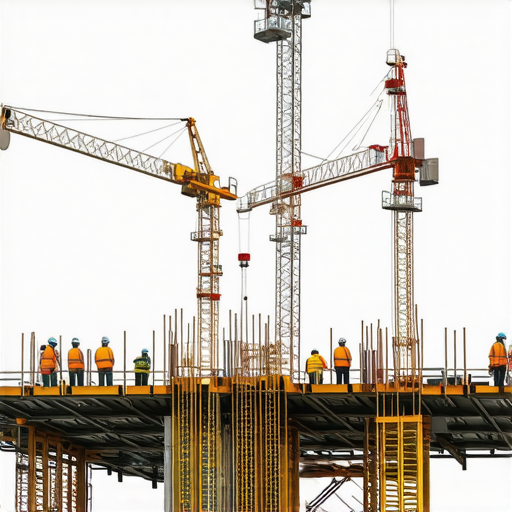
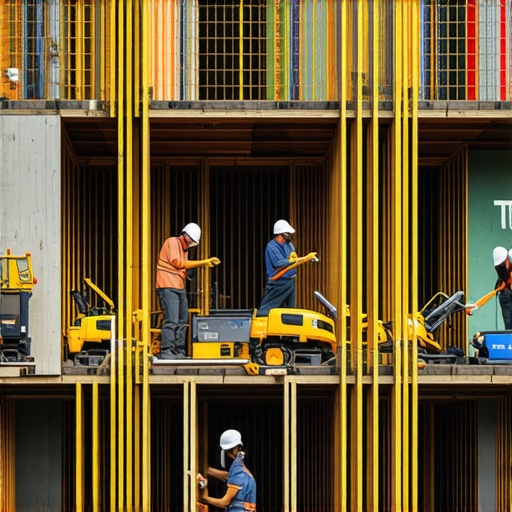
As the home building industry approaches 2026, the confluence of technological advancements and economic pressures necessitates a reevaluation of traditional cost management strategies. Experienced contractors and architects recognize that integrating advanced design principles—such as optimized roof and patio configurations—not only enhances aesthetic value but significantly reduces long-term expenses. Leveraging insights from industry leaders, notably in roof design innovations, is essential to stay competitive in an evolving market.
Deploying Cost-Efficient Home Design Through Semantic Optimization
Semantic SEO frameworks underscore the importance of multifaceted design integration—combining energy-efficient layouts with smart material choices—to slash construction costs. For instance, adopting modular home designs that maximize small lot potentials can minimize wastage and labor costs, optimizing resource allocation across projects. In practice, this approach aligns with the nuanced concepts discussed in contemporary architectural journals, emphasizing sustainability and functionality.
Unlocking the Potential of Roof and Patio Synergy for Savings
Innovative roof designs, such as insulated panels and green roofing solutions, act as pivotal elements in lowering HVAC expenses without sacrificing durability. Simultaneously, modern patio designs—emphasizing low-maintenance, modular configurations—further curtail ongoing upkeep costs. To illustrate, refer to the recent analysis on smart roof designs, which highlights how integrating thermal insulation with solar technology can substantially diminish cooling expenses in residential buildings.
How Can Advanced Home Building Tactics Deliver Surprising Cost Savings?
Empirical data and field reports reveal that customizing building strategies—such as the integration of energy-efficient home designs—can lead to savings exceeding 20% over traditional methods. This approach demands a sophisticated understanding of material science, structural engineering, and environmental adaptability, reflecting a significant shift from conventional practices. A noteworthy case study emphasizes the value of strategic planning in avoiding costly mistakes during construction, notably detailed in building a custom home.
How Do Modern Home Designs Maximize Functionality in Limited Spaces?
Navigating constraints of small lot sizes requires inventive solutions. Modern home designs are increasingly featuring multi-purpose spaces, rooftop gardens, and adaptable layouts that foster a sense of openness while conserving resources. This paradigm shift aligns with expert insights on maximizing small lot potential, providing homeowners with high-value, low-cost options that meet evolving lifestyle demands.
For professionals seeking to deepen their expertise, exploring detailed case studies on modern designs for small lots can unveil cutting-edge techniques rooted in sustainable architecture and cost efficiency.
What Are the Critical Factors for Balancing Cost and Quality in Future-Ready Home Builds?
Striking the optimal balance involves meticulous planning around material selection, innovative design, and leveraging emerging technologies such as AI-driven construction management. Establishing a foundation rooted in transparency and industry-leading practices builds trust with clients and stakeholders alike.
If you’re committed to refining your home building approach, consider contributing your insights or exploring further expert content that delves into advanced cost-saving techniques, ensuring your projects remain competitive into 2026 and beyond.
Maximize Value by Prioritizing Adaptive Home Features
As the industry advances, selecting adaptable features that evolve with homeowner needs becomes a strategic move. Flexible floor plans, movable partitions, and convertible spaces not only appeal to modern lifestyles but also reduce future renovation costs. Such foresight ensures homeowners access functional spaces without the expense of complete overhauls, aligning with the trend toward intelligent design that anticipates change.
Innovative Materials: The Key to Longevity and Cost Savings
Embracing cutting-edge construction materials like cross-laminated timber or high-performance composites can significantly decrease maintenance costs while extending the lifespan of structures. These materials offer resilience against weathering, pests, and wear, reinforcing sustainability goals. For example, integrating sustainable materials into your projects can lead to increased market appeal and energy savings, reinforcing your position as a forward-thinking builder.
Thinking Outside the Construction Box: The Role of Digital Twins
One emerging trend gaining traction is the use of digital twins—virtual replicas of physical homes—to optimize design, monitor real-time performance, and predict maintenance needs. Implementing this technology underscores a commitment to innovation, enabling owners to proactively manage energy consumption and structural health, which can lead to substantial savings over the long term. For further insights on leveraging digital twins in residential construction, industry reports such as those from McKinsey & Company highlight how these tools are reshaping building management.
How Can Construction Professionals Integrate Tech-Driven Solutions to Stay Ahead?
Integrating advanced technological tools—like Building Information Modeling (BIM), AI-driven project management, and smart home automation—can streamline workflows, reduce errors, and enhance client satisfaction. These innovations empower builders to deliver projects faster, more accurately, and within budget, reinforcing their competitive edge in a dynamic market. To explore more about integrating smart technologies into your projects, visit key remodeling features that boost ROI.
As the landscape of home building evolves, continual learning and adaptation become essential. Share your experiences or stay inspired by engaging with like-minded professionals committed to pioneering cost-effective, sustainable, and innovative home solutions for 2026 and beyond.
Embracing Automation and AI to Elevate Construction Precision
Incorporating automation systems and artificial intelligence into residential construction processes doesn’t just streamline workflow; it transforms project accuracy and safety standards. Automated bricklaying robots and AI-powered scheduling tools minimize human error and optimize resource allocation, leading to substantial cost savings and improved timelines. Industry-leading companies like Construction Robotics have demonstrated that integrating such innovative technologies can reduce labor costs by up to 30% while enhancing overall quality.
Next-Gen Materials Shaping Sustainable, Long-Lasting Builds
Beyond conventional materials, emerging substances such as aerogel insulation and self-healing concrete are revolutionizing durability and energy efficiency. Aerogel’s exceptional thermal insulation properties drastically cut heating and cooling expenses, especially when integrated into walls and roofing systems. Meanwhile, self-healing concrete, embedded with microcapsules of healing agents, automatically repairs cracks, extending the lifespan of structures and diminishing maintenance costs over decades. These advancements underpin a strategic shift towards resilient, cost-effective housing solutions that meet future environmental standards.
How Do Digital Twins Enhance Maintenance and Lifecycle Management?
Digital twin technology offers a dynamic, real-time simulation of a building’s physical state, enabling homeowners and managers to predict issues before they manifest. By continuously monitoring structural integrity, energy consumption, and environmental factors, digital twins facilitate proactive maintenance schedules—reducing downtime and costly repairs. According to a 2023 report by McKinsey & Company, early adopters of digital twin solutions have reported up to 25% reduction in operational costs and a marked increase in building lifespan, illustrating the transformative potential of this technology in residential projects.
Why Integrating Renewable Energy Solutions Is Non-Negotiable for Cost Savings
Implementing solar photovoltaic arrays, green roofs, and energy storage systems not only enhances a home’s sustainability profile but also leads to significant long-term financial benefits. By generating on-site renewable energy, homeowners can drastically reduce utility bills, with payback periods often under a decade. Moreover, government incentives and tax credits accelerate return on investment, making renewable integrations a prudent choice for developers seeking to future-proof their projects. The intersection of technology and policy now creates a compelling case for energy independence as a core design principle.
What Design Strategies Facilitate Seamless Integration of Smart Technologies?
Designing adaptable spaces that accommodate smart home devices—like IoT sensors, automated climate control, and security systems—requires foresight and flexible spatial planning. Concealing wiring, incorporating dedicated conduit pathways, and ensuring sufficient power supply are crucial to maximize functionality without compromising aesthetics. Furthermore, adopting open floor plans and unobtrusive wiring channels promotes user-friendly integration and future upgrades. Emerging standards from organizations such as the Connectivity Standards Alliance offer frameworks to ensure interoperability and seamless user experiences across various devices and platforms.
How Can Builders and Architects Attract Tech-Savvy Homebuyers in 2026?
To captivate the modern, technology-minded clientele, professionals must showcase their expertise in smart home integration, energy efficiency, and sustainable design. Demonstrating a portfolio of tech-enabled residences, providing comprehensive consultations on future-proofing investments, and partnering with innovative suppliers can set professionals apart in a competitive market. Furthermore, creating virtual walkthroughs that highlight technological features can engage prospective buyers and emphasize the home’s advanced capabilities. For those eager to learn more about aligning building practices with evolving tech trends, industry conferences and specialized workshops from organizations like the National Association of Home Builders are invaluable resources.
Innovating Foundations: How Material Science Transforms Residential Construction Costs
The advent of novel construction materials such as graphene-enhanced concrete and bio-based composites is revolutionizing foundational techniques, leading to significant reductions in both material expenses and long-term maintenance costs. These materials not only offer superior strength-to-weight ratios but also enhance durability, mitigating future repair expenditures. A detailed study published in the Journal of Sustainable Building Materials emphasizes the impact of these innovations on scalability and cost-efficiency, positioning them as pivotal in future home construction strategies.
Advanced Insulation and Barrier Technologies for Lower Energy Expenditure
Emerging insulation solutions, like vacuum insulated panels (VIPs) and aerogels, provide unparalleled thermal resistance with minimal thickness, facilitating smarter spatial planning and substantial energy savings. When integrated with intelligent airtight barrier systems, these materials create a synergistic effect, drastically slashing heating and cooling costs. Incorporating such technologies requires a nuanced understanding of environmental performance metrics, supported by comprehensive lifecycle assessments—highlighted in recent industry whitepapers from the Building Research Establishment (BRE).
Can Smart Structural Components Reduce Building Lifecycle Expenses?
Implementing self-monitoring, adaptive structural components—such as load-responsive framing systems—enables homes to dynamically respond to environmental stressors, thereby extending structural integrity and reducing the need for invasive repairs. These smart elements utilize embedded sensors and IoT connectivity, providing real-time data for predictive maintenance. A 2024 report from the Construction Innovation Hub validates the cost-saving benefits through case studies demonstrating up to a 15% reduction in lifecycle costs.
Innovative Construction Methodologies for Rapid Deployment and Cost Control
Modular construction techniques, augmented with in-situ 3D printing technologies, are enabling unparalleled speed and precision, minimizing labor costs and material waste. Blending these approaches with digital fabrication allows for highly customizable residential units produced in controlled factory environments, leading to consistent quality and reduced construction timelines. Industry analyses from McKinsey underscore how these methodologies can decrease project durations by up to 40%, directly translating into substantial economic benefits.
Leveraging Digital Twins to Save Big in the Long Run
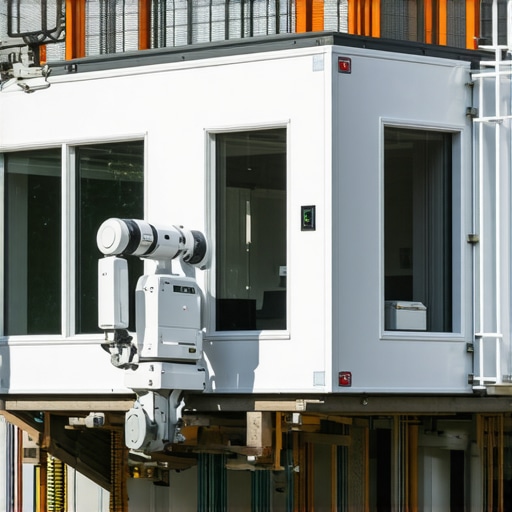
The integration of digital twin technology extends beyond design into operational management, facilitating proactive maintenance and energy optimization. By maintaining a virtual replica of the physical structure, builders and homeowners can anticipate component failures and inefficiencies, preventing costly emergency repairs and maximizing resource allocation. According to McKinsey & Company’s 2023 insights, early adoption of digital twin systems correlates with a 20-25% reduction in operational costs, cementing their role in sustainable, cost-effective home ownership.
Energy Harvesting Solutions Redefining Cost Balancing
Emerging energy harvesting systems, such as piezoelectric flooring and ambient radio frequency energy scavengers, offer innovative avenues for supplementary power sources within residential settings. These technologies can diminish dependence on traditional grid power, translating directly into lower utility bills and enhanced self-sufficiency. Expert analyses in the International Journal of Renewable Energy highlight how integrating these solutions into smart home designs can lead to significant economic and environmental advantages, especially when combined with renewable energy systems.
Strategies for Future-Ready Home Designs That Keep Costs Lean
Architectural flexibility plays a crucial role in future-proofing homes. Incorporating adaptable layouts, movable partitions, and expandable spaces enables rapid customization without extensive remodeling, saving costs for homeowners over the lifespan of the residence. Advanced design software and parametric modeling—embraced by firms like Zaha Hadid Architects—allow for optimized spatial arrangements tailored to evolving needs, showcasing a blend of form and function that anticipates future affordability.
,
Stay Ahead with Cutting-Edge Home Building Tactics: Embracing innovative construction methods, such as modular designs and digital fabrication, can drastically reduce project timelines and costs, giving you a competitive edge in the evolving market. Maximize Longevity with Future-Ready Materials: Incorporating advanced materials like self-healing concrete or high-performance composites not only enhances durability but also decreases long-term maintenance expenses, ensuring ROI over the years. Harness the Power of Intelligent Technologies: Digital twins and AI-driven project management tools enable precise planning and proactive maintenance, minimizing costly surprises post-construction. Explore Sustainable Solutions for Cost Savings: Renewable energy integrations, including solar and energy harvesting systems, provide significant utility bill reductions and align with environmental standards, appealing to eco-conscious clients. Focus on Flexibility to Future-Proof Homes: Designing adaptable layouts with movable partitions and expandable spaces addresses evolving homeowner needs while avoiding costly renovations later.
Curated Resources for the Forward-Thinking Builder
- McKinsey & Company Insights on Digital Twins: Offers comprehensive analysis on how virtual replicas optimize building performance and reduce lifecycle costs. Explore detailed reports here.
- Journal of Sustainable Building Materials: Provides research-based evaluations on emerging construction materials like aerogel insulation and bio-based composites, highlighting performance and cost benefits.
- Construction Innovation Hub Publications: Showcases case studies on smart structural components and adaptive materials that extend building lifespan while lowering costs. Access reports here.
- National Association of Home Builders Resources: Guides on integrating IoT, smart home tech, and flexible design principles into residential projects for future-proofing and value addition. Visit their site for more info.
Reflections from the Frontlines of Modern Home Construction
In the quest to redefine cost efficiency, the convergence of innovative materials, digital technologies, and flexible design strategies emerges as the most impactful trend shaping 2026 and beyond. By integrating these insights, experienced professionals can not only optimize project outcomes but also pioneer sustainable and resilient homes suited for the future. Engaging with authoritative resources and sharing your expertise will help foster a community dedicated to elevating standards in home building. Ready to lead the change? Dive deeper, share your insights, and let’s set new benchmarks together.