Revolutionizing Home Architecture through Cutting-Edge Roof Design Strategies
In the contemporary realm of residential construction, roof architecture emerges as a pivotal component that transcends mere shelter, influencing aesthetics, energy efficiency, and property value. As experts delve deeper into sustainable practices and technological advancements, innovative roof designs are redefining what it means to construct a home that is both visually captivating and functionally superior.
Aligning Roof Forms with Climate-Responsive Architecture
Advanced homeowners and architects increasingly seek roof configurations that not only complement the overall home design but also respond dynamically to climatic variables. Think of the integration of smart roof systems that utilize adaptive materials or geometric forms engineered to optimize insulation and airflow. Such designs reduce cooling and heating costs, embodying a synergy of form and function rooted in environmental responsiveness.
What Are the Future-Forward Materials Elevating Roof Performance?
Material innovation is at the forefront of elevating roof functionalities. Solar-integrated tiles, reflective coatings, and lightweight composite materials not only extend the lifespan of roofing structures but also contribute to sustainable, energy-efficient home designs. These advancements exemplify a transition from traditional materials—like asphalt shingles—to high-performance, eco-conscious options that resonate with the objectives of modern home building projects.
Can Aesthetic Appeal and Structural Integrity Harmonize in Roof Designs?
One of the enduring challenges in peak roof design innovation involves balancing aesthetic ambitions with structural durability. Architectural features such as multi-layered rooflines, dynamic forms, and eco-friendly green roofs are increasingly used to craft visual impact while maintaining resilience against environmental stressors. Integrating these considerations requires expert knowledge in structural engineering, materials science, and ecological design principles.
How Does the Evolution of Roof Design Influence Overall Home Value?
Progressive roof designs significantly influence property valuation, especially when they incorporate energy-saving technologies, durable materials, and aesthetic uniqueness. Latest trends suggest that strategic roof innovations can yield substantial ROI, making them a critical component in high-caliber custom home projects. For an in-depth look at avoiding costly pitfalls during home building, consult this comprehensive guide on building a custom home.
What Are the Implications of Integrating Solar Technologies into Diverse Roof Types for Long-Term Sustainability?
Incorporating solar solutions into various roof configurations demands thorough assessment of structural load capacities, angle optimization, and aesthetic integration. Expert analysis suggests that hybrid approaches—blending traditional and innovative roofing methods—yield superior outcomes in terms of energy production and visual harmony. For professionals seeking detailed insights on designing aesthetically pleasing yet sustainable roof structures, engaging with peer-reviewed research and industry white papers remains essential.
Interested in elevating your architectural expertise? Explore authoritative resources and contribute your insights to the evolving discourse on patio design innovations that complement rooftop aesthetics. The future of roof design blends form, function, and foresight—making it a cornerstone of high-caliber home architecture.
Embracing Dynamic Roof Architectures for Climate Resilience
As climate variability intensifies, homeowners and architects must consider adaptable roof designs that not only withstand environmental stresses but also actively respond to changing conditions. Incorporating features like adjustable shading devices, ventilated roofing systems, and reflective coatings can dramatically improve a home’s resilience and energy efficiency. A prime example is the use of green roofs, which provide insulation, manage stormwater, and reduce urban heat islands, thereby enhancing urban sustainability.
Can Technological Integration Reshape Roof Functionality?
Emerging smart technologies are revolutionizing roof systems, offering real-time monitoring of structural health, weather patterns, and energy consumption. Sensors embedded within roofing materials can alert homeowners to potential issues before they escalate, while integrated solar panels can be seamlessly incorporated to maximize energy generation without sacrificing aesthetic appeal. For additional insights into smart home integrations, visit smart roof innovations.
What Strategies Ensure Harmonious Blends of Form and Function in Modern Roofing?
Achieving an aesthetic that captivates while maintaining structural integrity requires meticulous planning and innovative design. Techniques such as modular roofing systems and eco-friendly green roofs are increasingly popular for their ability to provide visual interest and environmental benefits simultaneously. Collaborating with seasoned architects and engineers ensures these complex integrations meet safety standards and aesthetic aspirations, leading to sustainable yet striking home exteriors.
How Do Evolving Roof Designs Impact Long-Term Cost Savings and Property Value?
Investing in advanced roof systems may entail higher upfront costs, but they frequently translate into significant savings over the lifespan of the home through reduced energy bills, maintenance costs, and increased property value. For homeowners contemplating custom builds or remodels, understanding these long-term benefits is crucial. To avoid common pitfalls in home construction, check out the comprehensive guide on building a custom home that aligns with sustainable design principles.
What Will the Next Generation of Roof Materials Look Like, and How Will They Transform Home Sustainability?
Future advancements in roof materials are poised to emphasize eco-friendliness, durability, and multifunctionality. Innovations such as nanomaterials with self-healing properties and highly reflective coatings that adapt to environmental conditions are on the horizon. These developments aim to extend roof longevity, improve energy efficiency, and reduce environmental impact, aligning with broader goals of sustainable living. Industry white papers and peer-reviewed studies published in journals like the Energy Department’s materials research provide valuable insights into these emerging trends.
Curious about implementing cutting-edge roofing solutions? Explore our extensive resources or share your projects and experiences to foster smarter, more resilient home designs in the evolving landscape of architecture.
Unlocking Energy Potential: The Strategic Advantage of Solar-Integrated Roofs
In the pursuit of sustainable living, integrating photovoltaic (PV) systems into roof architectures has evolved from a niche innovation to a mainstream design priority. Architectural ingenuity combined with technological advancements allows for seamless incorporation of solar modules, transforming roofs from passive weather shields into active energy generators. This paradigm shift not only propels homes towards energy independence but also enhances their market value, paving the way for environmentally conscious investors to reap long-term savings.
One critical aspect often overlooked involves aligning PV system specifications with specific roof geometries and structural load capacities. Precision in planning ensures maximal energy capture, especially in complex roof forms such as multi-faceted or curved surfaces. According to a detailed analysis by the National Renewable Energy Laboratory, optimizing tilt angles and orientation significantly affects energy yield—particularly in locations with variable sun paths. Hence, collaborating with engineers who possess expertise in both structural integrity and solar technology becomes paramount for innovative roof designs.
How Do Hybrid Roof Structures Enhance Solar Efficiency and Structural Resilience?
Hybrid roofing approaches—combining traditional materials with photovoltaic elements—offer a balanced solution to retrofit existing structures or design new sustainable dwellings. These systems utilize flexible thin-film solar cells mounted on non-traditional substrates, enabling greater adaptability in diverse architectural contexts. Moreover, integrating such systems into green roofs or vegetative roofing layers can provide insulation benefits while preserving aesthetic appeal. Experts in ecological architecture underline that this dual approach fosters resilience against climate variability, while boosting overall energy performance.
Notably, the deployment of emerging nanomaterial coatings can improve PV efficiency by reducing reflectance and temperature-induced performance dips. Industry white papers from the Department of Energy highlight breakthroughs in these coatings, promising higher efficiencies and longer lifespan for solar-integrated roofing systems.
Addressing Aesthetic Concerns Without Compromising Functionality
One of the central challenges in solar roof integration remains maintaining architectural harmony. The use of asymmetric PV modules, semi-transparent solar shingles, and dynamic shading elements allows designers to craft aesthetically compelling, functionally efficient facades. Techniques such as color-matching PV cells with traditional roofing materials or employing monolithic solar tiles create visual harmony that aligns with client expectations and regulatory standards. This convergence of form and function demands a nuanced understanding of both material science and contemporary design language—areas where cutting-edge research continues to push boundaries.
For instance, recent advancements in perovskite solar cells exhibit promising potential for high-efficiency, lightweight, and visually adaptable modules, opening new horizons for discreet solar energy harvesting.
The Circular Economy: Recyclability and End-of-Life Strategies for Solar Roof Components
As solar adoption surges, considerations surrounding the lifecycle sustainability of PV components become increasingly relevant. Evolving designs emphasize recyclability, with companies pioneering modules fabricated from recyclable polymers and metals. The IEEE’s recent collaborative study underscores the importance of developing closed-loop systems that facilitate component reuse and resource recovery. This approach not only minimizes environmental impact but also aligns with emergent policies advocating for circular economy principles in construction materials.
Designers and engineers must evaluate these factors during the planning stage, ensuring that roof-integrated solar systems are not only high-performing but also universally adaptable within sustainable material stewardship frameworks. Engaging with industry standards—such as the IEC 61215 certification—provides guidance in achieving durability, safety, and recyclability benchmarks.
Emerging Technologies and the Future of Roof-Integrated Solar Power
The horizon of solar roof technology is dotted with innovations that transcend current limitations. Building-integrated photovoltaics (BIPV) utilize semi-opaque solar modules that function both as architectural elements and energy modules, allowing for creative expression in roof and facade designs. These systems leverage micro-inverter technology and AI-driven energy management to optimize performance dynamically, responding in real-time to environmental and usage patterns.
Furthermore, research into transparent solar panels suggests potential for integrating energy generation into skylights and windows, expanding the scope of solar-enabled architectural elements. For professionals committed to pushing the envelope, engaging with such cutting-edge research—published extensively in journals like Solar Energy Materials & Solar Cells—becomes essential for maintaining a competitive edge in sustainable design innovation.
If you’re dedicated to pioneering in this field, consider collaborating with research institutions and industry consortia that specialize in next-generation PV technologies, and contribute to shaping the sustainable skylines of tomorrow.
Pushing Boundaries with Multi-Faceted Roof Designs for Maximum Efficiency
Innovative roof architectures incorporating complex geometries like hyperbolic paraboloids or folded plate systems significantly enhance structural resilience and environmental performance. These avant-garde configurations facilitate superior rainwater runoff, promote cross-ventilation, and enable better integration of solar systems, redefining sustainable living paradigms. Expert consultation in computational design enables architects to optimize these intricate forms for both aesthetic appeal and functional advantage.
Can Adaptive Roofing Materials Transform Long-Term Home Resilience?
Emerging adaptive materials such as shape-memory alloys and thermochromic coatings hold promise for dynamically responding to ambient temperature fluctuations, thereby reducing energy consumption. Carbon nanotube-infused composites further contribute to durability and lightweight construction. According to recent research published by the American Chemical Society, these innovations signify a leap toward self-regulating roofs that intelligently modulate thermal performance in real-time.
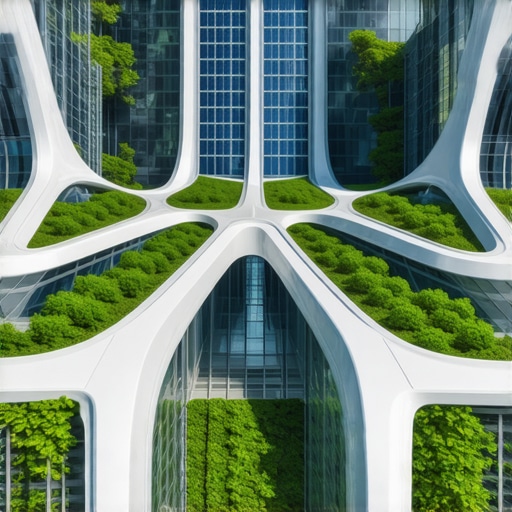
Harnessing Biophilic Principles in Roof-Mounted Greenities
Integrating biophilic design elements such as sky gardens, moss layers, or vertical greenery systems on roof surfaces not only enhances urban biodiversity but also improves insulation and air quality. Advanced irrigation and nutrient delivery solutions, coupled with structural steel reinforcements designed for lightweight yet load-bearing green modules, facilitate seamless implementation. These aesthetic yet eco-centric features deepen the connection between inhabitants and their environment, fostering wellness and sustainability simultaneously.
What Role Do Smart Technology Systems Play in Roof Optimization?
Smart roofing systems equipped with embedded IoT sensors monitor parameters such as moisture levels, temperature, and structural integrity, enabling predictive maintenance and real-time performance optimization. Integration with home automation platforms allows for automated shading, ventilation, and meteorological responses, thereby elevating energy efficiency. As detailed by the IEEE, such systems are transforming roofs from passive elements into active agents in intelligent home ecosystems.
# IMAGE_PLACEHOLDER_D#
The Intersection of Aesthetics and Functionality in Modern Skylight Design
Innovative skylight architectures employing curved, faceted, or stained glass elements blend natural daylight harvesting with architectural finesse. The use of electrochromic glazing enables adjustable transparency, reducing glare and heat gain while maintaining scenic views. Integrating these features requires expert coordination among structural engineers, glass specialists, and solar control consultants to ensure performance without compromising visual appeal.
Recycling and Passive End-of-Life Strategies for Roof Systems
As sustainability extends from material selection to eventual disposal, manufacturers are adopting recyclable composite polymers and standardized tear-away modules for ease of reuse. Lifecycle assessments, guided by frameworks such as the ISO 14040, underscore the importance of designing roofs that remain adaptable and recoverable at their end-of-life, minimizing environmental footprint and supporting circular economy initiatives.
Future Horizons: Nanotechnology and Photovoltaic Roof Innovations
Nanomaterials with enhanced light absorption, self-cleaning abilities, and resistance to environmental degradation are on the cusp of revolutionizing photovoltaic roof systems. Researchers are exploring quantum dot-enhanced solar tiles capable of near-universal wavelength capture, promising unprecedented efficiencies and aesthetic integration. Engagement with multidisciplinary research collaborations accelerates the translation of these breakthroughs into mainstream architectural applications, paving the way for smarter, more resilient home climates.
Expert Insights That Elevate Roofing Paradigms
Harness Environmental Responsiveness for Cost Savings
Integrating adaptive roof forms like green roofs and smart shading devices optimizes energy efficiency while enhancing aesthetics. These strategies, rooted in climate-responsive design, offer long-term economic and environmental benefits, aligning with sustainable building principles.
Adopt Revolutionary Materials to Extend Durability
Emerging materials such as self-healing composites and highly reflective coatings not only boost lifespan but also contribute to energy conservation. Staying abreast of these innovations is crucial for professionals aiming to implement cutting-edge roofing solutions.
Balance Artistic Expression with Structural Resilience
Advanced architectural techniques facilitate the creation of complex roof geometries that impress visually without compromising strength. Collaborations between engineers and designers are vital to achieving this harmony in modern roofs.
Leverage Technology for Smarter Roof Management
Embedding IoT sensors in roofing systems enables proactive maintenance and real-time performance monitoring. These smart integrations pave the way for resilient, self-regulating homes in evolving climates.
Essential Resources for the Forward-Thinking Architect
- Energy Department’s Advanced Materials Research: Offers insights into nanomaterials and self-cleaning coatings revolutionizing roof longevity and efficiency.
- IEEE’s Collaborative Studies on Smart Technologies: Highlights innovations in IoT-enabled roof systems enhancing home resilience.
- ISO 14040 Standards: Guides lifecycle assessments ensuring sustainability from material sourcing to end-of-life management.
- National Renewable Energy Laboratory Reports: Details optimal solar integration techniques with diverse roof architectures.
- Research Publications in Solar Energy Materials & Solar Cells: Presents breakthroughs in transparent and high-efficiency photovoltaic modules.
Transform Your Perspective on Roof Design Today
With the rapid evolution of architectural technologies and materials, the future of roof innovations is not just about shelter but a strategic opportunity for sustainability, resilience, and aesthetic excellence. Embracing these advanced insights and resources will position professionals at the forefront of modern home design. Share your experiences, engage in industry dialogues, and explore further at building a custom home—your next masterpiece awaits.”}#}#}**
Reading this post really opened my eyes to how much roof design has evolved beyond just protection. I’ve recently been exploring green roofs combined with solar technology as a way to both boost energy efficiency and enhance urban greenery. It’s impressive how advanced materials like self-healing nanocoatings could extend roof lifespan while reducing maintenance costs—definitely a game-changer in sustainable building practices. One challenge I’ve noticed, though, is integrating these high-tech features into existing structures without significant retrofitting—has anyone found effective solutions for that? Also, I wonder how cities with strict building codes are adapting to these innovative roof ideas, especially when it comes to aesthetic regulations. It seems like collaboration among architects, engineers, and policymakers will be key to unlocking the full potential of these technologies. Overall, I’m excited to see how these innovations will influence property values and the future landscape of eco-friendly homes. How do you all see the balance between cutting-edge technology and affordability in residential projects?