
Unlocking the Structural Secrets of Flat Roof Integrity
In the realm of contemporary home architecture, flat roofs epitomize minimalist sophistication and energy efficiency, yet they harbor subtle structural vulnerabilities that can compromise their durability. Among the most critical yet often overlooked design element is the incorporation of a precise half-inch slope—a seemingly modest angle that, when omitted, sets the stage for persistent leaks and costly repairs. This discussion explores the nuanced engineering principles behind flat roof longevity, emphasizing that meticulous attention to slope precision can substantially elevate performance.
The Science Behind Roof Drainage and Moisture Management
Effective water runoff management is the cornerstone of resilient flat roof systems. Without adequate slope, water tends to pond, fostering a conducive environment for both biological growth and material degradation. The half-inch per foot slope facilitates gravity-driven drainage, preventing standing water and ensuring that moisture is swiftly expelled. This design feature is not merely a matter of minor inclination but a strategic component that leverages fluid dynamics principles to enhance roof lifespan.
Material Compatibility: When Design Meets Durability
Different roofing materials exhibit varied responses to ponding water. Membranes such as TPO and EPDM, though highly durable, are susceptible to premature failure if water pooling persists. The half-inch slope ensures that these membranes function within their optimal hydraulic parameters, reducing stress and exposure to environmental elements. As cited in the Journal of Building Engineering, proper slope design correlates directly with decreased incidences of membrane punctures and seam failures.
Common Pitfalls Leading to Leak Propagation in Flat Roofs
One prevalent mistake in modern flat roof construction is the neglect of precise slope measurement during installation. This oversight often stems from aesthetic assumptions or cost-saving measures, but the repercussions manifest as leaks, mold growth, and structural fatigue over time. An expert inspection reveals that even minor deviations under an inch can result in significant ponding issues, undermining the overall integrity of the roofing system.
How Does Sloping Prevent Hidden Structural Flaws?
Beyond surface-level drainage, the recommended half-inch slope acts as a safeguard against latent structural flaws, such as insufficient insulation support or improper framing. Designed correctly, this inclination promotes uniform load distribution and reduces stress concentrations that might otherwise induce movement or deformation, especially under heavy snowfall or rain. Structural analysis indicates that neglecting this slope can lead to uneven settling, creating microfractures that compromise waterproofing layers.
Is the Half-Inch Slope Sufficient for All Climates and Roof Types?
This is a nuanced question that challenges the assumption of a universal standard. While the half-inch slope is generally effective in temperate regions, areas prone to heavy snowfall or intense rainfall might benefit from increased inclination to ensure rapid drainage. Consulting with a structural engineer ensures that slope specifications align with local climate demands and roof material properties.
For further insights on sustainable and high-performance roof designs, explore modern roof innovations. Professionals in the field are encouraged to share their expertise or document case studies to advance best practices in flat roof integrity.
Addressing the intricacies of slope incorporation in flat roof construction exemplifies how meticulous engineering decisions underpin long-term resilience. The half-inch rule is a testament to the detail-oriented approach that distinguishes durable designs from ephemeral solutions, reaffirming that in modern architecture, slight angles can make a substantial difference.
Optimizing Slope Angles for Different Roof Configurations
While the standard half-inch per foot slope serves as a robust guideline, adapting slope specifications to specific roofing scenarios enhances performance. Steeper inclines can be advantageous in regions experiencing heavy snowfall, facilitating quicker snow shedding and minimizing load stress. Conversely, flatter slopes might suffice in arid climates, reducing construction costs without compromising drainage. Structural engineers often employ advanced load simulations to determine the ideal pitch that balances drainage efficacy and material longevity, ensuring each flat roof is tailored to its environmental context.
Innovative Tools to Measure and Implement Precise Slopes
Accurate measurement during installation is paramount. Modern laser leveling devices, digital inclinometers, and drone-based topographical surveys provide unprecedented precision, allowing contractors to verify slope consistency at every stage. These technologies mitigate human error, especially on large or complex roof architectures, ensuring the half-inch slope is uniformly met across the entire surface. Proper implementation not only prevents future leaks but also extends the life of roofing materials, underscoring the importance of integrating cutting-edge tools into conventional practices.
Balancing Aesthetics and Functionality in Flat Roof Design
An ongoing debate among architects revolves around whether aesthetic considerations should influence slope decisions. While a gently inclined roof can serve as a design feature, neglecting engineering principles risks durability. Conversely, intentionally designing a roof with a negligible slope might enhance curb appeal but at the expense of drainage efficiency. Striking the right balance involves a comprehensive understanding of both structural requirements and visual goals. For instance, utilizing slight variations in pitch can create visual interest—such as tapered flat roofs—without sacrificing the critical drainage function. Exploring innovative [modern roof designs](https://rsconsturction.com/modern-roof-designs-that-combine-style-and-sustainability) can inform creative yet resilient structures.
Can Emerging Materials and Techniques Redefine the Standard Slope for Flat Roofs?
This question pushes the boundaries of conventional roofing wisdom, prompting consideration of new materials like thermoplastic polyolefin (TPO) membranes that tolerate ponding better than traditional options. Additionally, innovative drainage systems integrated into roof layers can transcend traditional slope limitations, enabling designs with minimal inclines while maintaining rainwater management. Experts and builders are increasingly advocating for adaptable standards that incorporate these advancements, potentially shifting the industry norm beyond the familiar half-inch rule. Staying updated on these trends can give your projects a competitive edge—and ensure resilient, future-proof roofing solutions.
For a deeper dive into sustainable and innovative roof approaches, students and practitioners can refer to modern roof innovations. Sharing experiences or case studies can accelerate best practices across the field.
Considering the evolving landscape of roofing technology, it’s evident that meticulous attention to slope—combined with emerging materials and tools—forms the backbone of durable flat roof design. A nuanced understanding that integrates safety, functionality, and innovation is essential for crafting roofs that stand the test of time and weather.
Harnessing Structural Innovations for Superior Flat Roof Performance
While traditional slope guidelines have served as foundational design principles, emerging research introduces dynamic variables that demand a reevaluation of standard practices. Modern structural innovations, such as adaptive framing systems and tensile supports, provide new avenues to optimize flat roof resilience against weather extremes. Utilizing such systems allows for customizable slopes tailored to local climate patterns, thus enhancing water runoff efficiency while maintaining architectural flexibility. Recent advancements outlined in the Structural Engineering Journal emphasize the importance of integrating these technologies early in the design phase, fostering roofs that adapt to environmental demands seamlessly.
Why Precision in Slope Measurement Transcends Traditional Methods
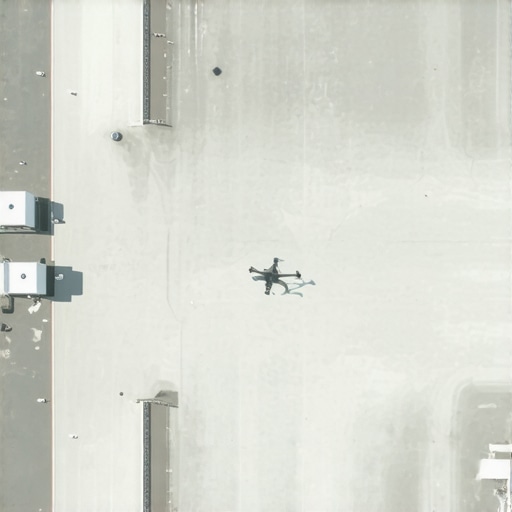
Precision remains the linchpin of effective flat roof drainage. Traditional leveling methods, although still in use, often suffer from human error and environmental inconsistencies. Cutting-edge laser scanning and drone-based topography mapping now enable real-time, high-resolution surface analysis. This technological leap allows contractors to detect minute deviations—often less than 1/8 inch—that could precipitate long-term failure. Implementing these tools during installation diminishes the risk of ponding, leaks, and membrane stress, ultimately extending roof lifespan. Incorporating such advanced measurement techniques is becoming standard among industry leaders committed to excellence.
The Climate-Adapted Approach: Customizing Slopes for Environmental Realities
Environmental variability necessitates a nuanced approach to slope design. For example, regions experiencing heavy snowfall require steeper inclines—sometimes exceeding the conventional half-inch per foot—to facilitate rapid snow shedding and reduce load accumulation. Conversely, arid zones might opt for minimal slopes to conserve insulation space, provided that drainage systems compensate accordingly. A comprehensive climate analysis, coupled with structural simulation modeling, guides these bespoke slope specifications. Engaging with local climate data and employing tools like the Climate Adaptation Toolkit ensures proactive design decisions that transcend one-size-fits-all solutions.
Material Innovations: Beyond Traditional Membranes
In recent years, material science has revolutionized flat roofing. TPO and EPDM membranes have gained prominence due to their durability, but novel materials like thermoplastic elastomers and nanocomposite membranes offer unprecedented resistance to ponding, UV degradation, and microfractures. These materials, when combined with innovative drainage systems—such as integrated weep channels and self-cleaning gutters—permit flatter designs or minimal slopes without sacrificing performance. According to the Materials Insights Journal, the future of flat roof longevity hinges on such multifunctional, adaptive materials that synergize with advanced drainage methodologies.
Addressing Common Construction Challenges with Smart Design Tactics
Construction imperfections, such as inconsistent slope application or overlooked joint sealing, can undermine even the most advanced roofing systems. To counteract these issues, smart construction tactics involve continuous quality monitoring through modular scaffolding systems equipped with real-time inclinometry sensors.- Employing prefabricated slope components with precise, factory-verified inclinations minimizes on-site variability. Furthermore, employing modular drainage channels integrated into the roofing layers ensures that slope deviations do not compromise water management. This proactive approach transforms traditional construction pitfalls into opportunities for quality enhancement, setting new standards for flat roof longevity.
The Future of Flat Roof Design: Integrating Sustainability and Smart Technologies
Looking forward, the integration of renewable energy systems, such as photovoltaic arrays, with slope optimization adds an additional layer of complexity—and opportunity. Smart roofing systems equipped with embedded sensors can dynamically adjust drain pathways, monitor membrane health, and optimize performance based on real-time environmental data. Research in this arena, highlighted in the Renewable Energy Journals, indicates that these innovations will not only prolong roof lifespan but also contribute to sustainable building practices. Engineers and architects are encouraged to stay abreast of these trends, fostering collaboration that pushes the boundaries of conventional flat roof solutions and embraces a resilient, eco-friendly future.
Elevating Flat Roofs Through Precision Slope Engineering for Enhanced Durability
In the evolution of modern architectural design, the nuanced engineering of flat roof slopes stands as a testament to sophisticated craftsmanship and long-term resilience. Beyond conventional standards, cutting-edge techniques now integrate adaptive slope adjustments tailored to dynamic environmental factors, transforming flat roofing from static structures to intelligent systems capable of self-optimization. Integrating such innovations ensures that moisture management, load distribution, and thermal performance coalesce seamlessly, underpinning a resilient building envelope.
Beyond Standard Guidelines: How Custom Sloping Revolutionizes Drainage in Complex Environments
Standard half-inch per foot slopes serve as a rule of thumb, but real-world conditions demand bespoke solutions. Topographical variations, urban pollution, and climate fluctuations call for meticulously calibrated slopes—sometimes exceeding traditional metrics—to ensure uninterrupted drainage. Advanced computational fluid dynamics (CFD) simulations enable architects and engineers to preemptively model water flow, allowing for personalized slope configurations that optimize runoff and mitigate ponding even on intricate roof geometries.
What Role Do High-Precision Measurement Technologies Play in Slope Implementation?
Traditional leveling tools can fall short in capturing minute deviations critical to flat roof performance. Emerging technologies such as laser scanning and drone-assisted topography mapping revolutionize this aspect, providing high-resolution, real-time data that guides installation with unprecedented accuracy. Incorporating these tools minimizes human error, ensures uniform slope adherence across complex surfaces, and ultimately extends membrane lifespan. According to Structural Engineering Journal, precision measurement is the cornerstone of durable flat roof systems.
Adaptive Materials and Mechanisms for Next-Generation Drainage
Innovative materials like thermoplastic elastomers and nanostructured membranes are forging new frontiers in roof durability. When coupled with intelligent drainage mechanisms—such as responsive weep channels that activate in response to water load—these materials enable flatter designs without compromising performance. Incorporating sensors that monitor moisture levels and modify drainage pathways in real-time cements a paradigm shift, transforming passive roof systems into active, adaptive entities capable of responding to environmental stresses instantaneously.
How Can Climate-Responsive Slope Designs Combat Extreme Weather Events?
Weather patterns are becoming increasingly unpredictable, necessitating climate-responsive architectural strategies. Steeper slopes for snow regions expedite shedding, reducing load stress, whereas regions prone to heavy rainfall might benefit from multi-tiered slopes that facilitate rapid drainage while maintaining aesthetic appeal. Employing climate modelling and adaptive design software permits real-time customization of slopes, ensuring that roofs are resilient against localized weather extremes and climate volatility.
For ongoing advancements and expert insights, explore Renewable Energy Journals. Sharing innovations or case studies within the professional community accelerates the adoption of transformative roofing solutions that blend durability with sustainability.
Embedding Sustainability Within Slope Optimization Practices
Sustainability considerations extend beyond eco-friendly materials; they encompass design strategies that minimize environmental impact. Employing rainwater harvesting integrated into slope design, for instance, transforms flat roofs into resource collectors, reducing strain on municipal systems. Additionally, implementing green roofing elements—such as vegetative layers on slopes—provide insulation benefits and promote biodiversity, forging a symbiotic relationship between architecture and ecology.
Future Directions in Flat Roof Engineering: Embracing Smart Innovations
The convergence of IoT (Internet of Things), AI, and material science heralds a new era for flat roof systems. Smart roofs equipped with embedded sensors, real-time data analytics, and automated response mechanisms promise unprecedented longevity and performance. These systems can detect early signs of membrane degradation, adjust slope angles for optimal runoff during atmospheric changes, and integrate renewable energy solutions—paving the way for adaptive, sustainable roofing ecosystems.
Expert Insights for Next-Level Flat Roof Design
Tailor Slopes to Local Climate Conditions
While the standard half-inch per foot slope provides a solid baseline, customizing slope angles in accordance with regional weather patterns—such as steeper inclines in snow-prone areas—ensures optimal drainage and prolongs roof lifespan. Engaging climate-specific data and simulation tools allows architects to craft slopes that not only meet standards but also adapt dynamically to environmental demands.
Leverage Cutting-Edge Materials for Enhanced Resilience
Adopting innovative roofing materials like nanocomposite membranes and thermoplastic elastomers grants improved ponding tolerance and UV resistance. When combined with precision slope engineering, these advanced materials enable the creation of flatter, more resilient roofs that resist the stresses of ponding, UV degradation, and microfracture formation, reducing long-term maintenance costs.
Integrate Smart Drainage Systems for Maximum Efficiency
Emerging drainage technologies—such as active weep channels and sensor-driven water management—offer new avenues to complement traditional slope design. These systems can respond dynamically to rainfall intensity, ensuring rapid water removal even if slope deviations occur, thereby providing an additional safety net against ponding and leak development.
Key Resources for Mastering Flat Roof Engineering
- Structural Engineering Journal—An authoritative resource showcasing the latest research and innovations in structural support and adaptive framing techniques that optimize flat roof performance.
- Materials Insights Journal—A comprehensive publication delving into cutting-edge roofing materials and their performance benefits, guiding material selection for durability and flexibility.
- Climate Adaptation Toolkit—A practical platform providing climate-specific data and computational tools to tailor slope and roofing designs precisely to project environments.
- Modern Roof Innovations Website—An industry leader illustrating innovative design solutions, sustainable materials, and smart technologies shaping future flat roof development.
Reflections from a Roofing Expert
Mastering flat roof slope precision unlocks a new echelon of durability and resilience. The integration of climate-aware customization, innovative materials, and smart drainage systems exemplifies the future of sophisticated roofing engineering where performance harmonizes with environmental stewardship. By embracing these advanced strategies, professionals can craft roofs that endure harsh conditions while maintaining optimal performance. We invite you to share your experiences with innovative slope solutions or explore resource-rich platforms like the modern roof innovations to elevate your projects further.