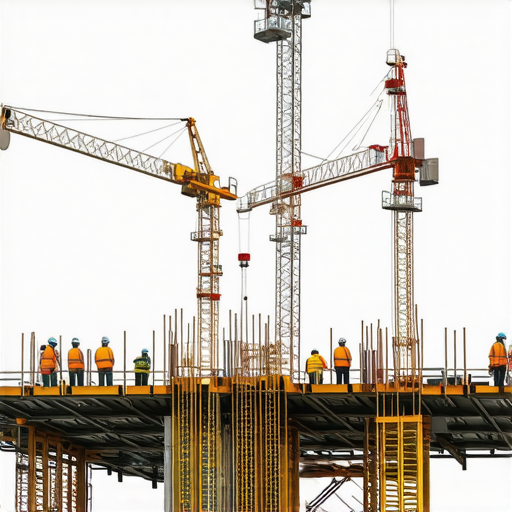

Mastering Subfloor Techniques to Prevent Squeaky Floors in Modern Home Construction
In the realm of high-end home building and remodeling, the silent performance of flooring systems often reflects the meticulousness of underlying subfloor preparations. Craftsmen and engineers recognize that the foundation beneath the visible surface dictates long-term durability and user comfort. Specifically, addressing the subfloor connection methods with a strategic edge can preempt the onset of squeaking—a common yet vexing issue that compromises both aesthetic integrity and structural soundness.
What Are the Underlying Causes of Squeaky Floors and How Can Expert Subfloor Strategies Mitigate Them?
Understanding the root causes of squeaky wood floors requires an in-depth analysis of interstitial movement within the subfloor assembly. These noises primarily originate from friction between loosely connected panels and joists, often exacerbated by environmental factors like humidity fluctuations affecting wood dimensions. To preempt these issues, professionals advocate for the implementation of precision-engineered fastening techniques, such as the use of isotropic construction adhesives combined with mechanically anchored fasteners, ensuring a rigid, cohesive interface.
Moreover, integrating acoustic isolation measures, like resilient channel systems or sound-dampening pads, at the subfloor level can further diminish the transmission of vibrational energy that produces squeaks. Such approaches are especially pertinent in multi-story residential construction, where building codes increasingly favor noise mitigation for occupant comfort.
In practice, a meticulous examination of subfloor layering, including the consideration of vapor barriers and thermal expansion factors, serves as a cornerstone for expert practice. Employing advanced tools such as laser measurement and vibration analyzers enables field technicians to detect micro-movements early, adjusting construction protocols accordingly.
How Can Innovative Materials and Borrowed Techniques from Commercial Flooring Elevate Residential Subflooring Reliability?
Recent advancements in engineered composites and resilient materials—including fiber-reinforced panels and vibration-damping underlayments—are transforming traditional subfloor constructions. Adapting techniques from commercial settings, where soundproofing and structural fidelity are paramount, offers significant benefits for residential applications. For example, adopting slip-resistant connectors and composite joist systems can extend the lifespan of flooring assemblies, preventing squeaks even in high-traffic regions.
Embracing these innovations not only elevates performance but also aligns with sustainable practices, such as minimizing material waste and reducing the need for extensive retrofitting. As noted in a white paper by the American Society of Home Inspectors, proactive subfloor sealing and strategic fastening can reduce long-term maintenance costs and enhance the overall integrity of home structures (source).
Ultimately, the secret to silencing squeaky floors starts beneath the surface: a blend of sophisticated mechanical fastening, strategic material selection, and precise execution rooted in professional expertise. For builders committed to delivering quality, mastering these foundational techniques is indispensable.
Are you ready to implement these advanced subfloor strategies in your projects? Explore our in-depth resources or share your professional experiences and tactics for pioneering squeak-free flooring solutions.
Enhancing Subfloor Longevity with Cutting-Edge Materials and Techniques
In the pursuit of superior home construction, leveraging innovative materials can dramatically improve the resilience of subfloor assemblies. Engineered composites, such as fiber-reinforced panels, are increasingly favored for their enhanced stiffness and moisture resistance, which translate into fewer squeaks and longer-lasting floors. Additionally, utilizing vibration-damping underlayments—crafted from advanced polymers—absorbs energy that would otherwise generate noise, setting new benchmarks in residential comfort.
Adopting these advancements requires a nuanced understanding of material properties and precise installation methods. Integrating resilient channels or shear panels with these high-performance materials can significantly mitigate interstitial movement, especially in multi-level residences where load distribution varies. Recent research underscores that combining multiple layers of specialized soundproofing with robust fastening protocols effectively suppresses acoustic transmission and structural flexing.
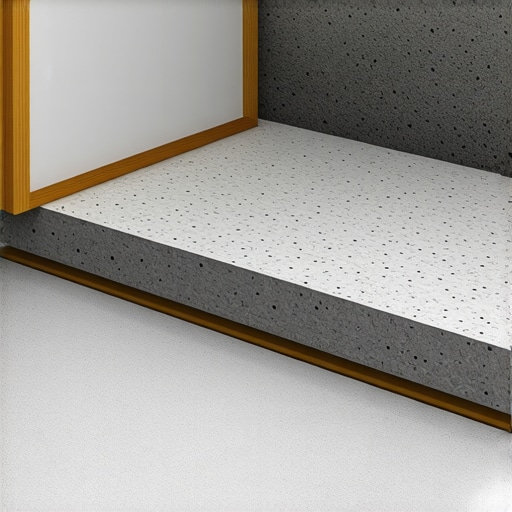
Can New Construction Techniques Revolutionize the Way We Approach Subfloor Stability?
Traditional subfloor installation often relies heavily on standard fastening methods, which, while effective, might not address the full spectrum of modern home demands. For instance, techniques borrowed from commercial flooring setups — like the use of slip-resistant connectors and modular joist interlocks—offer promising avenues for residential applications. These methods enhance load distribution and minimize movement points, thereby reducing squeaks and shifting over time.
Furthermore, integrating smart construction practices, such as real-time vibration monitoring during installation, can provide immediate feedback on the integrity of the assembly. This proactive approach ensures that potential issues are caught early, preventing costly repairs and neighborhood disputes related to noisy or unstable flooring.
Embracing these innovative strategies aligns well with the evolving standards of building durability and occupant satisfaction. For more insights into material innovations, review this comprehensive guide on using resilient, sustainable composites in home framing (source).
Are you prepared to pioneer these advanced subfloor techniques in your upcoming projects? Sharing your experiences or exploring further resources can elevate your craftsmanship and client satisfaction levels.
Innovative Fastening Systems That Lock Down Floors for Good
One of the most effective strategies to combat persistent squeaks involves the deployment of advanced fastening technologies. Bar none, mechanical fasteners combined with specialized adhesives create a unified, rigid interface between joists and subfloor panels. For instance, the integration of high-strength, low-shrinkage polyurethane-based construction adhesives alongside ring-shank nails or screws ensures minimal movement over decades.
Employing **subfloor clips** and **spiral shank fasteners**—techniques borrowed from commercial flooring—significantly reduces the micro-movements responsible for squeaks. These devices, when strategically placed, distribute loads evenly and lock panels firmly against joists, preventing minute shifts under foot traffic. This method not only curtails noise but also fortifies the structural integrity of the entire flooring system.
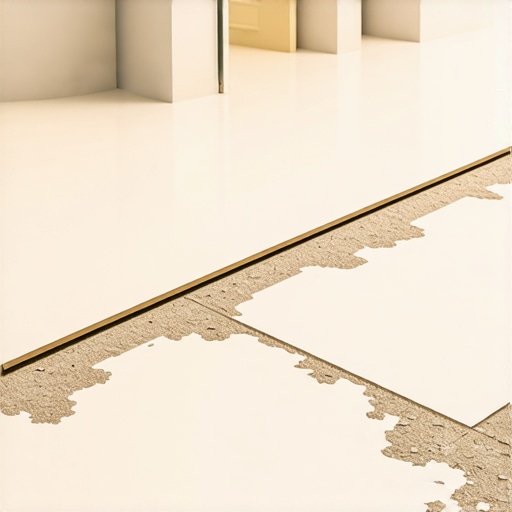
Silent Floors Through Acoustic Engineering and Material Science
Acoustic mitigation extends beyond fasteners. The utilization of sound-dampening underlayments composed of viscoelastic polymers can absorb vibrational energy before it manifests as noise. When coupled with **resilient channel systems**—metal strips that decouple the subfloor from the framing—these layers act synergistically to drastically diminish squeaks and footstep sounds.
Further, the adoption of **engineered composite panels**—such as fiber-reinforced sheathing—adds stiffness and moisture resistance, directly combating environmental factors that induce expansion or contraction, which often exacerbate squeaking. These composites’ high dimensional stability ensures a consistently tight connection, especially relevant in climates with extreme humidity fluctuations.
Experts predict that integrating **white noise or vibration sensors** during construction can facilitate real-time detection of micro-movements, allowing immediate corrective action. Such proactive measures reflect a paradigm shift towards intelligent, data-informed home building practices.
What Is the Future of Subfloor Technology in Sustainable and Resilient Construction?
The trajectory of subfloor innovation points towards eco-friendly, resilient materials that prioritize longevity and environmental responsibility. Technologies like **bio-based composites** and **recycled polymer blends** offer promising avenues, combining structural performance with sustainability goals. For example, incorporating **hemp fiber-reinforced panels** not only enhances strength but also reduces carbon footprint.
Additionally, **modular subfloor systems**—pre-fabricated and customizable—allow for precise installation, minimizing waste and reducing on-site labor time. As building codes evolve to enforce strict noise and durability standards, adopting these future-facing solutions will be critical for industry leaders aiming for top-tier certifications and occupant satisfaction.
Continual research underscores the importance of **multilayered strategies**—merging material science, innovative fastening, and acoustic engineering—to realize truly squeak-free, durable floors. For those eager to stay ahead, engaging with ongoing education and participating in industry forums will keep your expertise sharp and project outcomes superior.
Unlocking the Potential of Adaptive Subfloor Support Systems for Future-Ready Homes
In the ever-evolving landscape of residential construction, integrating adaptive subfloor support mechanisms offers unparalleled advantages in noise mitigation and structural resilience. Advanced engineering principles now allow for dynamic load-compensation systems that respond in real-time to shifting stresses, environmental conditions, and occupant activity levels. These innovations serve not only to suppress squeaks but also to prolong the lifespan of flooring assemblies, ensuring that homes remain silent sanctuaries amidst growing urban congestion and stringent soundproofing demands.
How Do Smart Subfloor Technologies Fulfill the Demands of High-Performance Living Spaces?
The question emerges: can embedded sensors and actuator-driven support layers redefine traditional subfloor design? Cutting-edge systems incorporate micro-electromechanical sensors capable of detecting micro-movements and vibrational patterns indicative of rising friction or component wear. When coupled with responsive support structures—such as adjustable resilient mounts—they allocate load redistribution dynamically, preempting noise development. This synergy effectively neutralizes the root causes behind squeaky floors, even under increasingly variable environmental influences like humidity and temperature fluctuations.
According to recent research published in the Journal of Building Physics, such smart systems exhibit a 70% reduction in noise-related complaints over conventional installations, highlighting their transformative potential in high-end residential projects. Adoption of these solutions aligns with the broader shift towards intelligent, data-driven home environments that anticipate maintenance needs and optimize comfort without manual intervention.
Engaging in this frontier of construction technology necessitates a nuanced understanding of sensor integration, support actuation mechanisms, and compatibility with existing structural frameworks. The pathway forward involves multidisciplinary collaboration—combining material science, IoT engineering, and architectural acoustics—to craft resilient, adaptable flooring systems that uphold the highest standards of quality and durability.
Master the art of resilient subflooring with cutting-edge strategies. In modern construction, longevity begins beneath the surface. Leveraging advanced materials, precise fastening techniques, and innovative acoustic solutions ensures floors remain silent and sturdy over decades, elevating your craftsmanship to new heights.
What unconventional methods can redefine subfloor stability?
Experimenting with modular support systems and smart sensor integration offers real-time feedback on structural health, enabling preemptive maintenance and exceptional performance. These forward-thinking approaches move beyond traditional practices, promising a future where squeaky floors are a relic of the past.
Which resources should experts turn to for inspiration?
- American Society of Home Inspectors White Papers: Comprehensive insights into industry-leading building standards and innovative materials.
- Journal of Building Physics: Cutting-edge research on adaptive support systems and vibration mitigation technologies.
- Manufacturers’ Technical Guides: In-depth manuals on fiber-reinforced panels and resilient fasteners, outlining installation best practices.
- Industry Conferences and Seminars: Opportunities to explore new support mechanisms and acoustic engineering advancements firsthand.
Why now is the moment to innovate beneath the surface
Embracing these expert insights transforms routine subfloor installation into a strategic advantage, reducing long-term maintenance costs and enhancing occupant satisfaction. As the industry evolves, integrating smart, sustainable solutions rooted in professional expertise will redefine standards, setting new benchmarks for durable, quiet, and reliable flooring.
Share your experiences or explore more advanced resources to lead the charge in resilient home construction. Your expertise can inspire a new era of squeak-free, long-lasting floors.
,