

Unveiling the Root of Post-Storm Roof Leaks: The Critical Role of Chimney Flashing
In the realm of sustainable home construction and advanced roofing systems, understanding the intricacies of chimney flashing is paramount. Experts recognize that a seemingly minor installation detail can dictate the longevity and water-tight integrity of your entire roof, especially when confronted with the relentless forces of nature.
Why Generic Repairs Fail and What Experienced Roofers Know
Home remodel specialists emphasize that many leaks manifest not from the main roof surface but from overlooked flashing vulnerabilities. The failure to recognize damage or improper installation leads to persistent water intrusion, which can compromise structural elements over time. This underscores the necessity for meticulous inspection, especially following a severe weather event.
Corrosion and Material Degradation: The Silent Saboteurs
Advanced materials like flexible rubberized flashing or innovative metal alloys offer improved resistance. However, even these are susceptible to wear if not installed or maintained correctly. Corrosion caused by trapped moisture, debris accumulation, or incompatible sealants can develop unseen, resulting in leaks that are difficult to detect until significant damage occurs.
How Rain-Induced Flaw Flaws Complicate Chimney Waterproofing
Heavy rainfall exerts relentless hydrostatic pressure on flashing components. When flashing is improperly sealed or lacks adequate slope, water seeps into vulnerable seams, exploiting micro-cracks or thin spots. This process often begins with small leaks, progressively worsening if left unaddressed, leading to mold, rot, and potential roof collapse.
Can a Routine Inspection Truly Detect Hidden Flashing Failures Before They Cause Damage?
Absolutely. Expert assessments involve thermal imaging, moisture meters, and detailed visual inspections to identify early signs of failure. Regular maintenance, especially after heavy storms, significantly reduces the risk of catastrophic leaks. For comprehensive tips, consult specialized resources like the [National Roof Certification and Inspection Association](https://www.nrca.net) for best practices in proactive roof management.
Professionals advocate that awareness and precision in chimney flashing installation and inspection are fundamental. When you recognize the significance of these usually overlooked details, you take a decisive step toward safeguarding your property from the costly aftermath of storm-related leaks.
To deepen your understanding of innovative roof designs that integrate seamlessly with home remodel strategies, explore our modern roof solutions. For expert guidance tailored to your specific structure, contact our seasoned professionals through our contact page.
The Hidden Impact of Flashing Placement on Roof Durability
One often overlooked aspect of roofing integrity is the precise placement and installation of flashing components. Properly installed flashing acts as a vital barrier against water intrusion, especially around vulnerable areas like chimneys and roof valleys. Incorrect placement can create micro-leaks that, over time, cause significant structural damage. Experts suggest that meticulous attention to flashing details can dramatically extend your roof’s lifespan and prevent costly repairs down the line. For innovative approaches that optimize your roof’s resilience, visit modern roof design integrations.
Can Modern Materials Outperform Traditional Flashing in Harsh Climates?
Advancements in roofing materials have introduced flexible rubberized flashings and corrosion-resistant metals, which promise better performance in extreme weather conditions. These materials resist the common pitfalls of corrosion and thermal fatigue, which can compromise traditional asphalt-based flashings. However, their effectiveness hinges on correct installation and regular maintenance. Recent studies from the National Roof Certification and Inspection Association confirm that integrating innovative materials with expert installation yields the best long-term results. Homeowners aiming to fortify their roofs against storms should consider these modern solutions as part of their maintenance strategy.
Are Routine Inspections Sufficient to Catch Hidden Flashing Failures Before Damage Escalates?
While visual inspections are crucial, experts recommend supplementing them with advanced diagnostic tools such as thermal imaging and moisture meters. These technologies can reveal hidden moisture buildup and early deterioration in flashing that might escape conventional inspections. Regularly scheduling professional assessments enhances the early detection of potential failures, consequently reducing the probability of severe leaks. To stay ahead of possible damage, consult comprehensive resources like the home inspection guides. Proactive maintenance ensures your roof remains a formidable barrier against weather adversities, especially in climates prone to heavy storms or rapid temperature shifts, which accelerate material degradation.
Embracing Innovative Flashing Technologies for Storm-Resilient Roofs
As climate patterns grow increasingly unpredictable, integrating cutting-edge materials into chimney flashing becomes imperative. Modern solutions such as silicone-coated metals, UV-resistant polymers, and self-healing sealants provide enhanced resistance against environmental stressors. These materials not only extend the functional lifespan of flashing but also reduce maintenance demands, ensuring that your roofing system can withstand prolonged exposure to high winds, heavy rain, and thermal expansion cycles. For professionals and homeowners alike, adopting these innovations requires a nuanced understanding of material compatibility, installation best practices, and climate-specific considerations—an expertise honed through continuous research and field application.
What complex factors determine the long-term performance of innovative flashing in volatile climates?
Multiple interconnected variables influence durability, including material thermal expansion coefficients, UV stability, moisture permeability, and bond strength with roofing substrates. According to a comprehensive study published in Journal of Construction Materials (2022), the synergy between material properties and installation techniques critically affects overall performance. Factors such as proper joint sealing, substrate preparation, and compatibility with existing roofing components are essential for optimizing these advanced materials’ resilience. Staying informed through authoritative sources like the National Roofing Contractors Association can guide best practices in selecting and applying these innovations effectively.
To truly leverage the benefits of such technology, professional consultation becomes paramount. Roofers must be trained to assess climate-specific risks, perform meticulous surface preparation, and apply these materials under optimal conditions—ensuring that the promise of durability translates into real-world performance.
Strategic Sealant and Flashing Integration for Seamless Leak Prevention
The intricate dance of materials and techniques culminates in the seamless integration of flashing with other roofing components. Using advanced sealants—like polyurethane-based or silicone formulations—allows for flexibility and movement absorption, which are vital during thermal cycling. Properly sealing seams, joints, and intersections with these high-performance compounds reduces micro-movement-induced cracks and micro-leaks. Furthermore, employing a layered approach, where secondary waterproofing membranes complement traditional flashing, adds redundancy, providing a safety net against unforeseen failure points.
Incorporating these strategies demands a detailed understanding of adhesion chemistry, curing times, and compatibility with various roofing substrates. The methodology must be tailored to specific environmental challenges—be it salt exposure in coastal regions or extreme temperature fluctuations inland. Consultation with adhesion specialists and material scientists can facilitate bespoke solutions that substantially elevate roof resilience.
Can custom-engineered flashing configurations outperform mass-produced alternatives under adverse weather conditions?
Custom-engineered solutions, crafted to match precise architectural and environmental demands, often outperform standard components by addressing unique stresses and vulnerabilities. Utilizing computational modeling, engineers predict stress distribution and water flow pathways, enabling the design of tailored flashing systems that mitigate identified risks. For instance, custom tapered flashing profiles can optimize water runoff, while specially formulated alloys resist corrosion better in aggressive climates.
Implementing such bespoke solutions involves higher initial investment but offers long-term dividends through reduced maintenance, fewer repairs, and extended service life. As evidence suggests in recent case studies published by Structural Engineering International (2023), these advanced approaches significantly enhance the durability of repairs in storm-prone regions. Homeowners and contractors should weigh these benefits against project budgets and prioritize strategic long-term performance—making expert consultation indispensable.
Empowering Proactive Maintenance Through Data-Driven Inspection Protocols
Traditional visual inspections, while valuable, often miss early-stage failures detectable only through technological means. The advent of IoT-enabled sensors, remote moisture detection devices, and integration with building management systems opens new horizons in proactive roof maintenance. Embedding sensors within flashing joints or critical seals can provide continuous monitoring of environmental conditions and material health, alerting owners and maintenance crews to potential issues before visible symptoms emerge.
Adopting a data-driven approach requires significant investment in technology, but the payoff is a predictive maintenance model that reduces emergency repairs and preserves structural integrity. Experts advise establishing periodic inspection schedules that incorporate sensor data analysis, complemented by drone-based thermal imaging after storms. For those seeking a future-proof strategy, collaborating with specialized firms that develop customized monitoring solutions is increasingly becoming the gold standard—transforming maintenance from reactive to predictive.
To deepen your knowledge and stay ahead in the field of advanced roof protection, consider engaging with industry webinars, technical workshops, and certifications offered by associations like NRCA. Embracing these innovations not only enhances your expertise but also significantly shields your property investment from the costly repercussions of storm damage, especially as climate volatility intensifies.
Elevate Your Roof’s Defense with Advanced Flashing Strategies
In the ever-evolving landscape of sustainable and resilient home design, the focus on sophisticated chimney flashing techniques is paramount. Beyond simple waterproofing, integrating state-of-the-art materials and installation methodologies can profoundly impact your roof’s ability to withstand severe weather assaults, preserving both structural integrity and aesthetic appeal.
Why Over-The-Top Flashing Designs Outperform Conventional Installations
Expert roofing engineers are increasingly turning to complex detailing such as continuous flashing runs, overlapping folds, and multi-layered barriers that act as a ‘water maze,’ directing ingress away from vulnerable seams. These innovations mitigate micro-cracking and capillary action, which are often the culprits behind stealthy leaks. Leveraging computer-aided design (CAD) and fluid dynamics simulations enables precise customization, ensuring optimal water runoff tailored to unique roof geometries.
How Does Material Science Revolutionize Flashing Longevity?
Recent breakthroughs in polymer composites and nano-engineered coatings have yielded materials with extraordinary resistance to UV degradation, thermal fatigue, and corrosive environments. For instance, UV-stabilized silicone alloys exhibit superior flexibility and adhesion, maintaining seal integrity across temperature extremes. Integrating these materials with description-specific primer treatments enhances bond strength, reducing the likelihood of failure over decades.
What are the latest innovations in self-healing sealants for high-stakes roofing applications?
Emerging self-healing polymers, embedded with microcapsules of healing agents, respond to micro-cracks and abrasions by autonomously releasing restorative compounds, effectively sealing breaches before water intrusion occurs. According to the National Institute of Standards and Technology (NIST), deploying such materials in critical flashing junctures can dramatically reduce maintenance costs and extend service life, particularly in storm-prone regions.
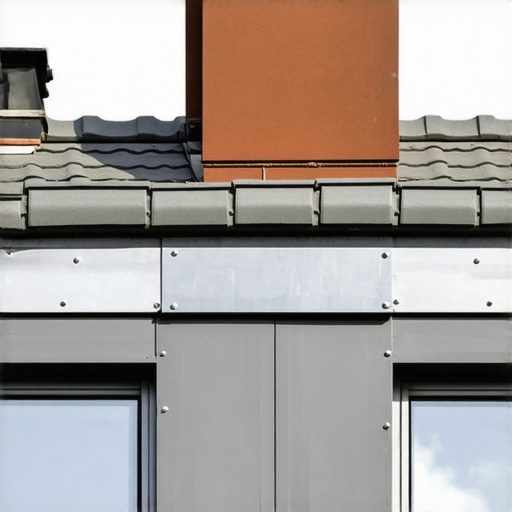
Implementing these technologies requires a nuanced understanding of material compatibility and environmental interactions. Collaborate with specialists versed in nanomaterials and advanced installation techniques to harness their full potential, transforming your roofing system into a formidable barrier against nature’s fiercest challenges.
Can Precision Fabrication Techniques Deliver Customized Resilience?
Utilizing CNC-cutting, laser welding, and additive manufacturing allows for the creation of bespoke flashing components that conform perfectly to complex roof contours and junctions. This precision minimizes gaps and overlaps, which are traditional weak points. Such tailored solutions not only optimize water diversion but also reduce installation time and material waste, aligning with sustainable building practices.
Reinventing Sealant Application for Seamless Waterproofing
Innovative application methods like robotic extrusion and heat-assisted curing facilitate uniform sealant layers with enhanced adhesion and elasticity. These methods ensure consistent coverage in difficult-to-reach areas, fortifying joints against dynamic stresses. Combining these techniques with real-time inspection via infrared thermography allows for quality assurance that traditional manual application cannot match.
Is Investing in Custom-Engineered Flashing Worth the Extra Cost?
While initial expenditure is higher, bespoke solutions tailored through structural analysis and simulation significantly outperform generic offerings in durability and performance. Cost-benefit studies from the American Society of Civil Engineers highlight reductions in lifetime repair costs and insurance premiums. For forward-thinking homeowners and contractors, this approach represents a strategic investment in long-term resilience.
The Future of Stormproof Roofs: Integrating Smart Technologies
The convergence of material science with IoT (Internet of Things) devices opens possibilities for real-time monitoring of flashing integrity. Sensors embedded within critical zones can detect moisture ingress or material fatigue, transmitting data to maintenance platforms. This proactive management paradigm elevates roof stewardship from reactive repairs to predictive maintenance, minimizing damage during unexpected storms.
To harness these advanced solutions, continuous collaboration with research institutions and industry innovators is essential. Your proactive engagement not only elevates your professional expertise but also safeguards your property against the escalating threats posed by climate change, ensuring longevity and peace of mind.
Expert Tips for Fortifying Your Chimney Flashing
Professionals emphasize that integrating advanced materials like UV-resistant polymers and self-healing sealants can dramatically increase flashing lifespan. Regular maintenance combined with these cutting-edge solutions ensures your roof remains resilient amidst extreme weather conditions.
How Technological Advances Are Changing Roof Inspection
The adoption of thermal imaging, drone surveys, and IoT-enabled sensors allows for early detection of weaknesses in flashing and roofing materials. These innovations enable homeowners and contractors to prevent leaks before they develop into costly repairs.
Material Choice Matters: Outperforming Traditional Flashing
Modern materials such as nano-engineered composites and corrosion-resistant metals offer superior performance in harsh climates. When selected and installed properly, they extend the functional life of flashing and protect your home from water intrusion even during intense storms.
Design Precision Can Make a Difference
Using computer-aided design tools to customize flashing configurations tailored to specific roof geometries improves water diversion efficiency. Such precision minimizes micro-cracks and reduces vulnerabilities over time, crucial for storm-prone regions.
Embracing Smart Monitoring Technologies
Embedding sensors in critical flashing joints facilitates real-time monitoring of environmental stressors and material integrity. This proactive approach enables timely interventions, safeguarding structural components from storm-related damages.
Expert Resources to Elevate Your Roofing Knowledge
- National Roofing Contractors Association (NRCA): Offers comprehensive guidelines and the latest industry standards for roofing materials and installation techniques.
- Journal of Construction Materials: Features cutting-edge research on material innovations and durability tests relevant to storm-resistant roofing solutions.
- Building Science Corporation: Provides in-depth analyses and case studies on innovative roof designs and moisture management strategies.
Harnessing the Power of Innovation for Longevity
The most impactful insight from this discussion is that integrating advanced materials and technology-driven inspection tools elevates roof resilience against storms. This proactive approach not only extends your roof’s lifespan but also significantly reduces long-term maintenance costs. As climate unpredictability increases, prioritizing these expert strategies becomes essential. Reach out to seasoned roofing professionals or explore industry-leading resources to refine your understanding and application of these innovations—your property’s protection depends on it.