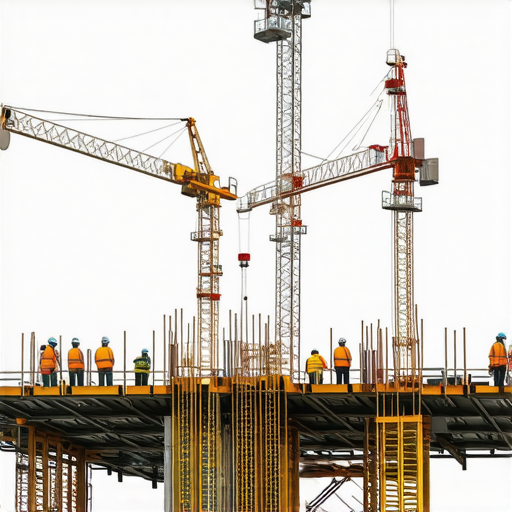

The Hidden Dangers of Improper Drip Edge Installation and Its Impact on Home Integrity
In the realm of roof designs and home construction, details often overlooked during initial installation can precipitate significant structural issues over time. A critical yet underappreciated component is the drip edge—a metal flashing strip that directs water away from roofing components. When misapplied or neglected, it becomes a silent catalyst for fascia board rot, compromisinghome durability and elevating maintenance costs.
How the Absence or Flaw of Drip Edges Facilitates Fascia Decay
Primarily, the drip edge’s role is to prevent water from seeping under roofing materials and infiltrating roof decks and fascia boards. An incorrect installation—such as improper overhang or inadequate sealing—can allow moisture to accumulate along these vulnerable areas. Over time, persistent exposure leads to rot, fungal growth, and eventual failure of fascia components, which are vital for supporting eaves and gutters.
What are the subtle signs of fascia rot caused by drip edge issues that homeowners and builders often ignore?
Evidence of fascia damage may initially appear as paint bubbling or discoloration. However, beneath the surface, rot can compromise the structural integrity, causing sagging or detachment of gutters. Regular inspection and understanding water flow dynamics around roof edges are crucial for early detection. As noted by roofing experts, neglecting these signals can result in costly repairs and reduced home lifespan (source).
Innovative Approaches to Reinforce Fascia and Prevent Rot
Advanced roof designs incorporate materials like corrosion-resistant metal or composite wraps that enhance water runoff while resisting decay. Moreover, integrating sealed drip edges and ensuring proper flashing techniques are essential. Skilled installation not only extends fascia longevity but also preserves the aesthetic value of your home designs. Professionals recommend periodic maintenance and the use of moisture barriers to mitigate latent damages.
The Cost of Ignoring Drip Edge Failures in Home Maintenance
Failing to address drip edge errors can instigate a cascade of structural problems, including compromised roof stability and potential interior damage. According to construction studies, fascia replacement and roof repairs due to water infiltration can double initial renovation estimates, emphasizing the importance of preventative measures.
Upgrading your roofing system’s edge components is an investment in the overall home remodel that yields long-term savings and safety. For comprehensive guidance, consult with experienced contractors and refer to authoritative resources such as the latest roof design standards.
Interested in optimizing your property’s exterior and understanding advanced techniques? Explore our detailed guides on innovative home and patio designs to amplify your investment’s value and resilience.
Embracing Modern Materials for Superior Drainage and Durability
Investing in cutting-edge materials such as corrosion-resistant aluminum or composite wraps can significantly enhance water management along roof edges. These innovations not only resist rot but also contribute to the aesthetic appeal of home designs. When combined with properly sealed drip edges and advanced flashing techniques, homeowners and builders create a robust barrier against moisture infiltration, reducing the risk of fascia deterioration over time.
What Innovative Inspection Methods Reveal About Hidden Moisture Damage?
Traditional visual checks often miss early signs of fascia rot caused by flawed drip edge installations. Modern inspection tools, including infrared thermography and moisture meters, enable detection of underlying moisture accumulation before visible deterioration occurs. Regular use of these technologies, alongside scheduled maintenance, empowers homeowners to address issues proactively, saving costs and preserving structural integrity. For insights into water intrusion detection, consult the comprehensive guide on early leak detection techniques.
How can proactive fascia preservation strategies redefine residential maintenance standards?
Proactive approaches such as implementing moisture barriers, regular inspections, and adopting durable materials fundamentally shift the paradigm from reactive repairs to preventative maintenance. These tactics not only extend fascia lifespan but also protect your entire roofing system, averting costly damages. Industry-leading experts advocate for integrating these practices into routine home maintenance schedules, especially in climates prone to heavy moisture exposure (see more on maintenance upgrades).
If you’re considering comprehensive updates to your home’s exterior, exploring options like seamless gutter systems and sealing techniques can amplify the benefits of your investment. Contact experienced professionals through our consultation services to tailor a strategy that safeguards your property and enhances overall curb appeal.
Harnessing Computational Fluid Dynamics for Precise Water Management
In the pursuit of optimal roof designs and effective drainage systems, the application of computational fluid dynamics (CFD) offers a transformative approach. CFD simulations allow engineers and architects to analyze water flow patterns along complex roof geometries with high precision, identifying potential stagnation zones and areas prone to overloading gutters. By modeling various rainfall intensities and wind conditions, professionals can tailor drainage solutions that minimize overflow risks, ensuring your home’s resilience in the face of extreme weather events.
What role does microclimate variation play in designing adaptive gutter systems?
Microclimates, influenced by factors such as surrounding vegetation, neighboring structures, and local topography, significantly impact water runoff patterns. Adaptive gutter systems incorporate sensors and dynamic control mechanisms capable of adjusting flow rates or redirecting water based on real-time data, thereby enhancing efficiency. Integrating smart technology not only prolongs system lifespan but also reduces maintenance frequency, translating to long-term savings and improved sustainability.
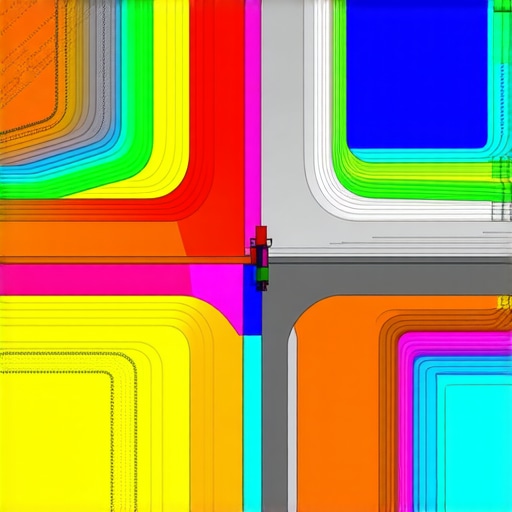
Visual representation of CFD analysis demonstrating water flow along varied roof slopes and gutter placements, highlighting optimal drainage pathways for diverse microclimates.
Innovative Materials Pushing the Boundaries of Durability
Emerging advancements in material science introduce high-performance composites and bio-based polymers designed explicitly for home designs. These materials withstand harsh environmental conditions such as UV exposure, temperature fluctuations, and chemical corrosion. For instance, nano-engineered coatings on gutter surfaces inhibit dirt accumulation and biofouling, reducing cleaning and maintenance efforts. Incorporating such materials into your home remodel plan elevates both aesthetics and longevity, creating a seamless blend of form and function.
How do bio-inspired designs influence modern drainage systems?
Drawing inspiration from natural systems like the self-cleaning lotus leaf or the water-guiding structures of plant roots, engineers craft drainage solutions that maximize self-sufficiency and minimal maintenance. These designs utilize micro-roughness patterns and surface energy manipulation to promote water repellency and debris shedding. Exploring bio-mimicry in roof designs encourages sustainable development and offers innovative pathways for future-proofing your property against the evolving climate.
Revolutionizing Home Exterior Durability with Micro-Engineered Drip Edge Solutions
Innovative materials and precision engineering are transforming traditional roof edge components, allowing homeowners and architects to preempt moisture intrusion. High-performance coatings combined with nano-structured metal alloys mitigate corrosion and extend fascia lifespan significantly. These micro-engineered solutions are becoming integral to resilient home designs, exemplifying the convergence of material science and architectural ingenuity.
Could Robotic Inspection Tools Uncover Hidden Fascia Vulnerabilities?
Emerging robotic and drone technologies equipped with high-resolution imaging and thermal sensors offer unprecedented access to hard-to-reach roof edges. These tools facilitate comprehensive moisture mapping and structural assessments without risking human safety. Studies from the National Institute of Standards and Technology demonstrate their superior detection capabilities in identifying early-stage rot, enabling preemptive interventions before significant damage occurs (source).
Engaging with these advanced inspection methods empowers property managers to shift from reactive repairs to data-driven maintenance schedules—ultimately safeguarding structural integrity while optimizing resource allocation.
Can Adaptive Gutter Designs Complement Modern Roof Technologies?
Smart gutter systems equipped with real-time flow regulation and self-cleaning features are redefining exterior water management. These adaptive systems respond dynamically to rainfall intensity and debris accumulation, preventing overflow and reducing gutter sagging. Integration with building automation systems heightens their efficacy, ensuring optimal performance in variable microclimates—a critical aspect for home remodel precision.
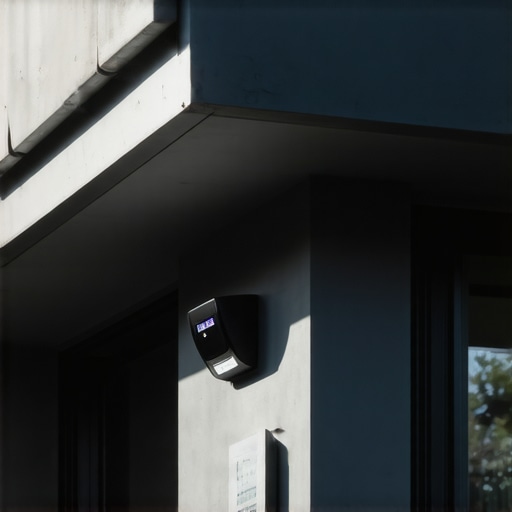
Close-up of an intelligent gutter system featuring sensors and adaptive flow mechanisms, demonstrating cutting-edge water management technology.
Why Material Innovation Is the Future of Fascia Preservation
Bi-layered composites and bio-inspired polymers are emerging as frontrunners in durable fascia fabrication. Their inherent resistance to environmental stressors and self-healing properties reduce maintenance needs. Industry leaders emphasize that adopting these materials can dramatically lower long-term repair costs and elevate aesthetic consistency across diverse home designs.
What Design Strategies Optimize Microclimate Resilience?
Architects increasingly incorporate landscape integration and aerodynamic roof contours to modify local microclimate effects, minimizing water stagnation zones. These approaches leverage natural airflow and sunlight to reduce moisture retention on roof edges, further protecting fascia integrity. Employing computational models to simulate these microclimatic interactions enables tailored solutions that maximize durability and environmental harmony.
How does integrating biophilic elements influence moisture control at the roof fascia interface?
Incorporating green roofing and plant-based water diversion systems can naturally enhance moisture evaporation and runoff efficiency. These bio-integrated strategies foster a symbiotic relationship between habitat and structure, promoting sustainability and prolonging the lifespan of roof edges while contributing to overall ecological health.
Expert Insights & Advanced Considerations
Precision Matters in Drip Edge Installation
When it comes to roof edge components, meticulous attention to detail in installation can significantly extend fascia lifespan and prevent moisture intrusion. Small misalignments or inadequate sealing techniques often lead to unforeseen rot issues, emphasizing the need for craftsmanship that adheres to the highest standards.
Material Choices Influence Long-Term Performance
Selecting corrosion-resistant and self-healing materials for drip edges and fascia reinforcement can dramatically reduce maintenance costs. Advanced composites and nano-coatings offer a resilient barrier against environmental stressors, making them a wise investment for homeowners seeking durability and aesthetic consistency.
Integrative Design Enhances Water Management
Incorporating modern design principles such as dynamic gutter systems and microclimate-adaptive layouts can optimize water runoff and minimize stagnation, thereby protecting fascia and roofing structures. These integrated solutions require interdisciplinary expertise but pay dividends in resilience and longevity.
Proactive Inspection Techniques Detect Hidden Damage
Utilizing infrared thermography and moisture meters enables early detection of moisture accumulation and structural vulnerabilities beneath the surface. Regular advanced inspections facilitate timely interventions, preventing minor issues from escalating into costly repairs.
Embrace Future Technologies for Inspection and Maintenance
Emerging tools such as robotic inspection drones and AI-driven water flow modeling are revolutionizing home maintenance. These technologies allow for comprehensive, safe, and precise evaluations, empowering homeowners and contractors to maintain fascia integrity proactively.
Curated Expert Resources
- National Roofing Contractors Association (NRCA): Offers in-depth guidelines on roofing standards and best practices critical for durable drip edge installation.
- Building Science Corporation: Provides research-driven insights into moisture management and material longevity, essential for advanced home design strategies.
- Infrared Thermography Protocols: Industry-recognized standards for moisture detection and early damage assessment, vital for preventative maintenance.
Final Expert Perspective
Understanding the nuanced interplay between drip edge quality and fascia resilience elevates the standard of home construction and renovation. Going beyond basic installation, integrating innovative materials and employing sophisticated inspection methods can transform routine maintenance into a proactive safeguard for your property’s longevity. If you’re interested in elevating your home’s structural integrity, consider consulting with specialists who leverage these advanced techniques and stay abreast of cutting-edge resource developments in roof designs and home durability. Harnessing these insights ensures your investment remains sound and aesthetically pleasing for decades to come.
,