Revolutionizing Home Efficiency Through Advanced Roof Architectures
The evolution of residential architecture increasingly prioritizes sustainability and energy efficiency, especially as climate patterns intensify. Roof designs, long considered merely structural, now serve as pivotal elements in reducing cooling costs and minimizing environmental impact. In this context, understanding how innovative roofing styles influence thermal performance is critical for architects, homeowners, and construction professionals aiming for net-zero building standards in 2026.
The Intersection of Solar Reflectance and Aerodynamics in Modern Roofs
Recent advancements highlight the integration of high solar reflectance materials with aerodynamic geometries to optimize cooling efficiency. Flat, radiant, and hybrid roof designs equipped with reflective coatings or cool roofing membranes can significantly lower urban heat islands and indoor temperatures. Simultaneously, aerodynamic features—such as strategically placed overhangs and vents—facilitate natural ventilation, further reducing reliance on mechanical cooling systems. These innovations are substantiated by studies from the U.S. Department of Energy’s Oak Ridge National Laboratory, emphasizing the role of material science in sustainable roofing (source).
How Can Steep-Slope vs. Low-Slope Roofs Impact Energy Dynamics?
Strategically choosing between steep and low-slope roof configurations influences thermal performance and cost-effectiveness. Low-slope, reflective metal roofs—such as standing seam or membrane styles—are renowned for their durability and high reflectivity, making them excellent for energy conservation. Conversely, steep-slope options like metal standing seam or tile roofs facilitate natural convection and ridge venting, promoting passive cooling. The decision depends on climatic conditions, architectural style, and long-term efficiency goals, underscoring the importance of nuanced design analysis tailored to local environments.
What Role Do Embedded Ventilation Systems Play in Contemporary Roof Designs?
Embedded ventilation—through ridge vents, soffit vents, and design-integrated airflow channels—serves as a critical component in maximizing passive cooling. These systems enable heat and moisture to escape efficiently, reducing the load on air conditioning units. As part of a holistic approach, integrating ventilation into the roof’s core architecture aligns with the principles of green building practices, yielding both cost savings and enhanced occupant comfort.
For professionals interested in comprehensive strategies, exploring related topics such as smart roof designs for cooling savings can offer deeper insights.
In considering the trajectory of sustainable roofing, it becomes evident that combining material innovation with aerodynamic and ventilation strategies unlocks new horizons in energy-efficient home building. As the industry evolves, these insights serve as guiding principles for integrating advanced design thinking into everyday construction practices.
Leveraging Weather-Resilient Metal Roofs for Extreme Climates
Metal roofing systems have rapidly gained popularity among eco-conscious homeowners, primarily due to their durability and sustainability features. Advanced metal roof designs—featuring coatings that resist corrosion and reflect infrared radiation—are particularly effective in withstanding extreme weather conditions, from heavy snowfalls to intense heat waves. These designs not only extend roof longevity but also contribute significantly to energy savings by reducing cooling and heating demands. For further insight into durable roofing options, explore metal roof designs for weather resilience.
Can Incorporating Adaptive Elements Transform Roofs into Living, Breathable Ecosystems?
Adaptive roof elements—such as dynamic shading devices, adjustable vents, and integrated greenery—are revolutionizing traditional roof architecture. These features enable buildings to respond proactively to environmental conditions, optimizing natural light, airflow, and insulation properties. For example, green roofs with modular vegetation not only insulate but also manage stormwater runoff effectively, aligning with permeable outdoor space strategies discussed in permeable patio and roof designs. As climate adaptability becomes a necessity, designing roofs as dynamic ecosystems offers a promising pathway towards resilient, eco-friendly habitats.
What Innovative Materials Are Shaping the Next Generation of Roof Performance?
Emerging materials like phase-change compounds, ultra-high reflectance coatings, and regenerative insulation are setting new standards in roof performance. Phase-change materials (PCMs) can absorb and release thermal energy, helping stabilize indoor temperatures throughout seasonal variations. Meanwhile, novel coatings are designed with nanoparticles to achieve higher reflectivity and self-cleaning properties, reducing maintenance costs and improving longevity. Integrating these advanced materials demands careful analysis of their long-term cost-effectiveness and environmental impacts, which can be guided by comprehensive case studies available at industry-leading sources.
If you’re interested in exploring how these innovations could redefine your building project, considering energy codes and building standards aligned with 2026 regulations will be essential for proactive planning.
Rethink Roofing: Embracing Smart Materials for Sustainable Homes
The burgeoning field of smart roofing materials offers unprecedented avenues for enhancing energy performance. For instance, coatings embedded with nanotechnology—such as thermochromic and photochromic compounds—alter their properties based on environmental stimuli, optimizing heat absorption and reflection dynamically. These advanced materials are not merely passive solutions; they actively participate in regulating indoor temperatures, drastically reducing HVAC loads. Leading research institutions, including MIT’s Department of Materials Science and Engineering, have demonstrated potential efficiencies where smart coatings can improve reflective properties by up to 25% compared to conventional cool roof membranes (source). Such integration demands meticulous evaluation of lifecycle costs, environmental impact, and compatibility with existing structures—a multi-disciplinary challenge that beckons innovative engineering approaches.
The Synergy of Aerodynamics and Insulation Strategies for Superior Building Envelopes
Modern roof design transcends simple aesthetics, venturing into the realm of fluid dynamics—optimizing airflow patterns to reduce heat gain and loss. Implementing aerodynamic elements, such as wind deflectors or roof curvature modifications, can redirect airflow to create protective boundary layers, mitigating the effects of high solar radiation exposure (study on aerodynamic roof models). Simultaneously, incorporating high R-value insulation—like aerogel composites—within roofing assemblies significantly hampers thermal transmittance. When combined, these strategies form a comprehensive barrier against thermal flux, leveraging the physics of fluid flow and heat transfer in the built environment. For architects and engineers, mastering this confluence is essential to push residential design towards near-zero energy consumption, especially in climates with extreme temperature variances.
How Can Computational Fluid Dynamics (CFD) Revolutionize Roof Design Optimization?
Employing CFD simulations allows professionals to visualize and refine airflow and heat transfer within complex roof geometries, considering variables like wind patterns, solar angles, and material properties. These virtual models facilitate iterative testing, enabling designers to predict real-world behaviors and enhance performance pre-construction. Notably, recent advancements have integrated AI-driven algorithms with CFD, fast-tracking the identification of optimal configurations. These technological integrations are detailed in a comprehensive review by the National Institute of Standards and Technology, emphasizing their potential in creating resilient, energy-efficient roofing systems (source). As computational power and modeling sophistication progress, CFD will become indispensable for crafting roofs that intelligently adapt to environmental dynamics, pushing the frontier of sustainable architecture.
For industry professionals committed to elevating their design practices, engaging with these simulation tools is not merely advantageous but imperative to meet evolving standards and climate resilience demands.
Innovative Approaches to Integrate Photovoltaics Seamlessly into Roof Structures
The convergence of energy harvesting and architectural aesthetics manifests vividly in the development of integrated photovoltaic (PV) systems. These are no longer bulky panels clamped onto rooftops; instead, advanced PV materials—such as building-integrated photovoltaics (BIPV)—serve as load-bearing components, roof tiles, or architectural façades. Recent breakthroughs include perovskite-based solar cells, which promise higher efficiencies coupled with transparency and flexibility, enabling their integration into various roofing substrates (DOE’s latest on perovskite PVs). The challenge lies in balancing optimal electrical performance with durability against environmental exposure, including UV radiation, temperature fluctuations, and moisture ingress. Furthermore, integrating these systems must consider thermal expansion, potential shading effects, and maintenance accessibility—complex technical puzzles that demand multidisciplinary collaboration between material scientists, electrical engineers, and architects.
What Are the Long-Term Performance and Maintenance Implications of BIPV Systems?
Understanding the lifecycle durability, energy yield stability, and ease of maintenance of BIPV roofs is critical for widespread adoption. Studies have shown that initial efficiencies of perovskite solar cells degrade under prolonged UV exposure, but ongoing research into protective coatings and encapsulation techniques is rapidly improving longevity (NREL’s research on perovskite stability). Additionally, the modular construction of BIPV systems facilitates incremental upgrades and repairs, aligning with sustainable building practices. Custom designing these integrated roofs opens possibilities for comprehensive energy strategies, whereby buildings generate, store, and optimize energy autonomously. Aspiring professionals must stay informed on evolving standards such as the International Electrotechnical Commission’s (IEC) guidelines for PV systems and emerging certifications that validate long-term performance and environmental resilience. Developing expertise in this domain can significantly influence the trajectory of renewable energy integration within residential architecture, transforming roofs into active players in the energy ecosystem.
Pushing Limits: How Multi-Layered Insulation Transforms Roofing Efficiency
Innovative roofing strategies increasingly incorporate multi-layered insulation systems, combining traditional materials with emerging nanomaterials to minimize thermal bridging and enhance overall energy conservation. Advanced aerogel insulation, with its ultra-low thermal conductivity, offers a paradigm shift by enabling higher R-values within thinner assemblies, thereby allowing architects to uphold aesthetic flexibility without compromising performance. Such layered approaches not only optimize indoor climate stability but also align with stringent evolving building codes targeting zero-energy homes projected for 2026.
Harnessing the Power of Dynamic Shading for Climate Adaptive Roofs
Incorporating intelligent dynamic shading devices—automatically responding to solar angles—redefines how roofs mitigate heat gain. Motorized louvers, retractable awnings, and membrane-based shading fabrics can adjust in real-time, significantly reducing cooling loads during peak hours. Recent case studies underscore the role of these adaptive systems in maximizing daylighting while preventing glare and overheating. For integrating these features seamlessly, collaboration with smart building system developers is essential, fostering a new echelon of climate-responsive residential design.
How Can Experts Evaluate Lifecycle Environmental Impact of Roofing Materials?
Assessing the long-term sustainability of roofing components necessitates comprehensive lifecycle analysis, considering extraction, manufacturing, operational lifespan, and end-of-life disposal. Resources such as the Building for Environmental and Economic Sustainability (BEES) tool by the National Institute of Standards and Technology offer detailed assessments, ensuring material choices support not just immediate performance but broader ecological goals. Employing such rigorous evaluation ensures that innovative roofs contribute positively to sustainable urban ecosystems.
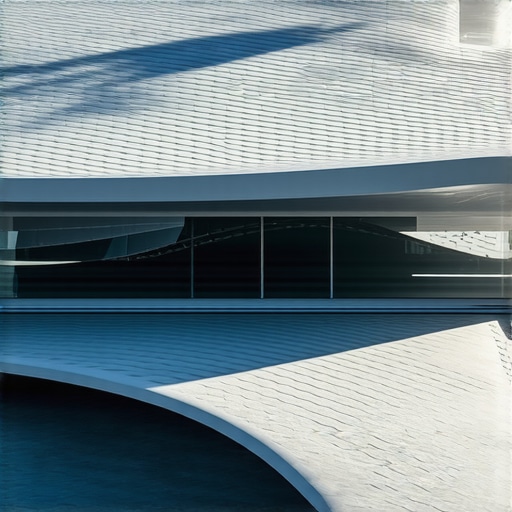
Visualizing multi-layered insulation in modern roof systems enhances comprehension of thermal performance strategies, utilizing cross-sectional digital renderings that emphasize nanomaterial integration and ventilation pathways.
Advanced Materials That Challenge Conventional Roofing Limits
Emerging materials like carbon nanotube coatings and photocatalytic tiles usher in a new era of durability and self-cleaning capability. Such innovations extend the lifecycle of roofing systems, reduce maintenance, and improve resilience against extreme environmental stressors. Moreover, the development of bio-inspired, self-healing polymers promises to address microcracks and material fatigue proactively, pushing the boundaries of what sustainable roofs can endure over decades. Staying abreast of breakthroughs from research institutions like the Fraunhofer Institute ensures architects and builders are equipped to implement next-generation solutions.
Shaping Resilient Skylines with Topologically Innovative Roof Forms
Leveraging topological optimization algorithms enables the design of non-standard, highly efficient roof geometries that maximize natural airflow and structural resilience. Such complex forms, enabled by additive manufacturing techniques, can distribute loads more effectively and optimize solar exposure while offering aesthetic distinction. The challenge lies in translating computational designs into practical construction methods, requiring interdisciplinary collaboration among computational designers, structural engineers, and material scientists to realize these avant-garde structures effectively.
What Role Will Computational Design Play in Achieving Structural and Energy Targets?
Advanced computational design tools, including parametric modeling and generative algorithms, facilitate the rapid iteration of roof concepts that meet stringent energy and resilience standards. These tools help predict real-world performance, from wind load responses to thermal performance, providing data-driven validation of innovative architectures. Integrating these systems into the early design phases ensures that roofs are not only architecturally compelling but also optimized for performance, leading to smarter, more sustainable homes in an era of climate uncertainty. Embracing these technologies is pivotal for forward-thinking professionals aiming to push the limits of eco-efficient home design.
Expert Insights & Advanced Considerations
Harnessing Material Innovations for Longevity
Cutting-edge materials like self-healing polymers and photocatalytic coatings are transforming roof resilience, enabling structures to withstand extreme weather and reduce maintenance costs over decades.
Leveraging Computational Fluid Dynamics for Optimal Aerodynamics
CFD modeling provides architects with critical data to refine roof geometries, ensuring maximum airflow and thermal regulation, particularly in climates with high temperature variances.
Integrating Dynamic, Climate-Responsive Components
Features such as adjustable shading and smart ventilation systems allow roofs to adapt in real-time, effectively mitigating heat gain and enhancing energy efficiency beyond static designs.
Combining Solar Integration with Aesthetic Excellence
Building-embedded photovoltaics and flexible perovskite solar cells are paving the way for rooftops that generate energy seamlessly while elevating architectural appeal.
Eco-Resilience Through Multi-Layered Insulation
Utilizing nanomaterials like aerogel composites in layered insulation schemes offers superior thermal performance, supporting ambitious zero-energy targets for 2026 homes.