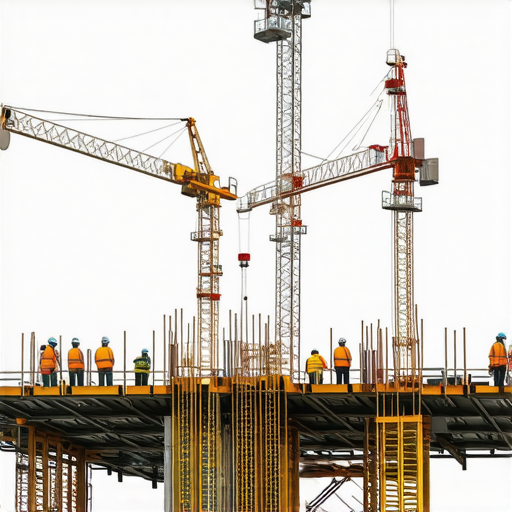

Revolutionizing Roof Designs for Energy Efficiency in Modern Home Building
In the evolving landscape of sustainable architecture, roofing has transcended its traditional protective role to become a pivotal element in energy optimization. As experts in home design and construction innovate, the emphasis on strategic roof configurations that reduce cooling loads has intensified. This shift underscores the importance of integrating advanced materials, shapes, and orientations into roof design to achieve maximum thermal performance.
Architectural Insights into Thermal-Responsive Roof Configurations
Innovative roof shapes, such as multislope or butterfly designs, facilitate better insulation and airflow management. These configurations can significantly diminish heat transfer during peak summer months, lowering reliance on air conditioning systems. Moreover, incorporating overhangs and eaves tailored to regional solar angles offers shading benefits, which are crucial in areas facing high insolation levels. Contemporary materials like reflective coatings and cool roofing membranes further enhance the heat deflection capabilities of these structures.
Influence of Roof Color and Material Selection on Cooling Costs
Color choice directly impacts a roof’s albedo, with lighter hues reflecting more sunlight and absorbing less heat. When coupled with high-reflectance materials, homeowners can substantially decrease indoor temperatures. For instance, metal roofs with specialized coatings outperform conventional asphalt shingles in reflecting infrared radiation, as substantiated by recent studies published in the Journal of Building Physics. Integrating these materials within a comprehensive roof design enhances overall energy savings and longevity.
Leveraging Local Climate Dynamics for Roof Efficiency
Understanding regional climate nuances is vital for tailoring roof geometries that optimize cooling. In hot-arid zones, embedding reflective surfaces and vented attic spaces minimizes heat accumulation. Conversely, in humid climates, incorporating roof designs that facilitate moisture runoff prevents heat retention caused by dampness. Adaptive strategies rooted in climate data empower architects to develop resilient, energy-conscious home designs.
How Can Structural Innovations in Roof Design Address Future Climate Challenges?
Emerging architectural innovations forecast a future where roofs are integral to decentralized cooling systems, such as integrated photovoltaic or geothermal components. Field experts are also exploring green roofs with vegetative layers that provide natural insulation and cooling. These advances not only assess immediate energy savings but also bolster structural resilience against extreme weather events predicted in climate models. As the debate around sustainable home building intensifies, ongoing research highlights the critical role of roof design in climate adaptation.
What are the most effective advanced roof configurations for reducing cooling costs in different geographic zones?
The continual evolution of roof design principles necessitates expert collaboration. Homeowners and builders seeking to optimize cooling efficiency should consult with specialized professionals to craft tailored architectural solutions. For further insights into innovative strategies, explore this comprehensive guide on smart roof designs.
Transforming Outdoor Spaces with Eco-Friendly Materials
In the pursuit of sustainable home design, selecting environmentally responsible materials for patios and exterior finishes has become paramount. Incorporating permeable surfaces not only enhances aesthetics but also promotes natural water management, reducing runoff and promoting groundwater recharge. For homeowners planning new builds, permeable patio designs are increasingly mandated in regulations and are a smart investment, offering both ecological benefits and long-term cost savings.
Reimagining Outdoor Living with Durability and Style
Designing outdoor spaces that withstand harsh weather while maintaining visual appeal requires a nuanced approach. Materials like stamped concrete, textured stone veneer, and composite decking combine resilience with elegance. Furthermore, integrating features such as built-in seating, pergolas, and lighting creates year-round usability and visual harmony. These enhancements are crucial for homeowners seeking to maximize outdoor living potential without compromising durability, especially in regions prone to extreme weather conditions.
Can Smart Landscaping Play a Role in Climate Resilience?
Thoughtful landscaping, including strategic plant selection and placement, can significantly influence a home’s microclimate. For example, deciduous trees can provide summer shade and winter sun exposure, reducing cooling and heating costs. Native, drought-resistant plants decrease irrigation needs, supporting water conservation efforts. Experts emphasize that combining smart landscaping with durable exterior materials forms a comprehensive approach to climate resilience, aligning with the principles of low-maintenance and sustainable home design. To explore versatile landscape ideas, visit this guide on low-maintenance patios.
Innovating with Green Infrastructure and Home Architecture
As climate challenges escalate, integrating green infrastructure within residential architecture offers novel solutions. Green roofs, rain gardens, and vegetative walls serve multiple functions—from stormwater management to improving air quality and insulating homes. How can architects balance these ecological benefits with structural constraints and aesthetic considerations? Experts suggest adopting a holistic design approach that leverages modular systems and adaptive strategies, ensuring these features are seamlessly incorporated into the overall building envelope.
What are the most effective ways to integrate green infrastructure into existing residential designs while maintaining cost-efficiency?
Continuous advancements in construction technology and material science facilitate the integration of eco-friendly elements without exorbitant costs. Homeowners aiming to retrofit existing properties should collaborate with specialists to identify scalable solutions—such as rooftop gardens or permeable driveway extensions—that complement their aesthetic goals and environmental commitments. For further insights into sustainable design practices, consult cost-effective stone patio options that also improve ecological performance.
Elevate Your Home’s Defense with Advanced Insulation Techniques
As climate variability intensifies, the role of insulation in fortifying residential structures becomes paramount. Beyond traditional batt or foam applications, innovative multi-layered insulation systems, such as vacuum insulated panels combined with reflective surfaces, are revolutionizing thermal management. These cutting-edge solutions provide superior R-values while maintaining minimal thickness, allowing architects and homeowners to preserve interior space without compromising performance.
How Do Advanced Insulation Materials Transform Building Climate Resilience?
Modern materials like aerogels and phase change materials (PCMs) offer unique capabilities; aerogels boast exceptional thermal resistance with lightweight profiles, whereas PCMs actively regulate indoor temperatures by absorbing and releasing heat during phase transitions. Integrating these substances within complex roof assemblies enables adaptive responses to sudden temperature swings, thus enhancing overall resilience. For example, a research study published in the Journal of Building Physics details how PCM-enhanced roofing layers reduce cooling loads by up to 25% in extremely hot climates (source), highlighting their practical benefits.
Designing for Extreme Weather Conditions: Strategies That Make a Difference
In regions vulnerable to flood or hurricane events, roofing insulation must be paired with structural reinforcements and moisture barriers. Elevated roof designs with integrated drainage channels prevent water ingress, while vapor-permeable insulation layers reduce the risk of mold and rot caused by humidity infiltrations. Incorporating insulation materials that resist water absorption—such as closed-cell spray foam—ensures that thermal performance persists even under adverse conditions. 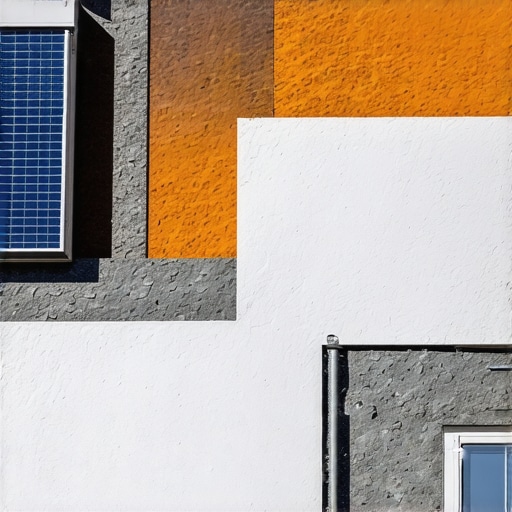
Are there holistic approaches linking insulation with energy harvesting systems?
Indeed, synergistic design principles are emerging where insulation and energy harvesting coexist seamlessly. Building-integrated photovoltaic (BIPV) roofing modules can be combined with high-performance insulation to create self-sufficient homes. This integrated approach not only maintains optimal internal climates but also generates renewable energy, significantly reducing reliance on external power sources. Researchers at the National Renewable Energy Laboratory (NREL) have demonstrated the potential of such hybrid systems, showing achievable net-zero energy targets through advanced envelope design (source).
What are the implications of emerging insulation technologies on future home design frameworks?
As these materials become more affordable and scalable, architects and engineers will need to rethink traditional building codes and standards. Emphasis will shift toward integrated systems that combine insulation, renewable energy, and smart monitoring to optimize performance dynamically. The adoption of digital twin modeling and simulation tools will facilitate predictive maintenance and real-time performance adjustments, ensuring longevity and efficiency. For continued learning, explore the detailed frameworks presented by the International Energy Agency’s EBC Annex 67 concerning adaptive building envelopes (source).) } }
Harnessing Morphological Diversity for Optimal Thermal Management
Architects increasingly explore avant-garde roof geometries, such as hyperbolic paraboloids or tessellated polyhedra, to tailor microclimates within residential spaces. These complex forms facilitate heterogeneous airflow dynamics and stratified insulation layers, thereby substantially reducing active cooling demands. Integrating parametric design tools enables precise modulation of surface curvature and inclination, aligning roof morphology with localized solar trajectories and prevailing wind patterns, thus maximizing passive climate control.
Could Adaptive Materials Revolutionize Insulation Strategies in Modern Architecture?
Emergent composite materials exhibiting phase transition capabilities offer dynamic insulation responses to fluctuating ambient conditions. For instance, thermotropic smart coatings alter their reflectance and emissivity profiles at predetermined temperature thresholds, enabling real-time modulation of internal heat flux. Incorporating such materials into exposed roof surfaces affords a proactive approach to thermal regulation, diminishing reliance on mechanical HVAC systems and fostering energy resilience.
What Specific Performance Enhancements Do Photonic Bandgap Materials Impart to Roofing Panels?
Photonic bandgap (PBG) materials possess the unique ability to selectively reflect or transmit certain wavelengths of electromagnetic radiation. When engineered for solar spectra, PBG coatings can significantly suppress infrared heat ingress while allowing visible light to penetrate. This selective filtering enhances indoor comfort without compromising natural illumination, thus presenting a compelling avenue for next-generation cool roof innovations. Detailed assessments in the IEEE Journal of Photovoltaics exemplify their potential application.
Engaging with these cutting-edge developments offers architects and builders the opportunity to drastically advance energy-efficient roof solutions that are both adaptive and responsive. By pushing the boundaries of traditional design, professionals can craft homes that not only meet but anticipate future climate challenges, ensuring longevity and sustainability.
Expert Strategies Transforming Roof Design for Energy Efficiency
Leading specialists emphasize that integrating dynamic geometries and advanced materials in roof architecture can drastically enhance a home’s thermal performance. By adopting shapes that facilitate natural airflow and insulation, architects push the boundaries of sustainable design. This proactive approach helps in reducing energy consumption and aligns with future climate resilience goals.
Dynamic Roof Forms Maximize Passive Cooling
Employing complex geometries such as hyperbolic paraboloids or tessellated planes promotes airflow and minimizes heat gain. When combined with optimized overhangs and regional solar alignment, these forms support passive cooling strategies that diminish reliance on mechanical systems.
Material Innovation Elevates Thermal Performance
Utilizing reflective coatings, cool roofing membranes, and high-albedo materials significantly reduces heat absorption. The selection of these materials, tailored to local climate conditions, can cut cooling costs and extend roof lifespan, creating a synergy between performance and durability.
Revolutionizing Roofing with Color and Climate Adaptation
Strategic color choices and material properties influence a roof’s ability to reflect solar radiation. In high-insolation areas, lighter hues and reflective surfaces help maintain indoor comfort while contributing to energy savings. Plus, adaptive designs that respond to climate fluctuations increasingly incorporate responsive materials and smart shading devices.
Harnessing Local Climate Data for Superior Roof Designs
Assessing regional weather patterns enables bespoke roof configurations that optimize shade, ventilation, and moisture management. For instance, in humid climates, incorporating moisture-wicking materials and ventilated attics prevents heat retention, whereas in arid zones, reflective surfaces and thermal breaks are prioritized.
Well-Designed Roofs as Climate Resilient Frontlines
Future-proofing involves integrating green technology like photovoltaic panels, vegetative layers, and rainwater harvesting systems. These features not only contribute to energy independence but also bolster the residence’s resilience against extreme weather events, aligning structural innovation with ecological responsibility.
Which innovative configurations best combat regional climate challenges?
Stakeholders should collaborate with experts to tailor designs that harness local conditions. For comprehensive insights, review this guide on smart roof designs.
Advancing Outdoor Space Sustainability with Material Choices
Eco-friendly patio and exterior finishes, like permeable pavements and recycled materials, support water management and reduce environmental impact. Regulations increasingly endorse permeable surfaces that align with sustainable practices, offering long-term economic and ecological benefits.
Designing Outdoor Areas That Endure and Impress
Durable materials such as stamped concrete, composite decking, and textured stone veneer ensure longevity amidst weather extremes. Incorporating functional features like built-in seating and shaded pergolas optimizes usability while harmonizing with the overall aesthetic.
Integrating Smart Landscaping for Climate Defense
Thoughtfully selected native and drought-resistant plants contribute to microclimate regulation. Strategic placement of deciduous trees and permeable surfaces decreases cooling and heating loads, reinforcing the home’s resilience. For innovative landscape ideas, visit this guide to low-maintenance patios.
Pioneering Green Infrastructure Within Residential Design
Modular green walls, rain gardens, and implementable rainwater harvesting systems form part of a comprehensive ecological approach. Balancing ecological benefits with structural capabilities involves adopting adaptable systems that can scale and integrate seamlessly into existing frameworks.
How can retrofitting with green infrastructure be cost-effective?
Experts recommend scalable solutions like rooftop gardens and permeable driveways, which can be implemented gradually. Engaging specialists ensures integration aligns with aesthetic and functional goals. Explore cost-effective permeable solutions for sustainable upgrades.
Enhancing Insulation with Technological Innovations
Emerging multi-layered insulation systems incorporating vacuum panels, aerogels, and phase change materials offer superior thermal resistance. These innovations preserve interior space while elevating energy efficiency, especially critical in extreme climates.
Can Cutting-Edge Insulation Sustain Climate Challenges?
Advanced materials like PCMs and aerogels adapt to temperature fluctuations, actively moderating indoor environments. Their integration into roof systems, validated by recent studies, demonstrates significant reductions in cooling loads, reinforcing resilience against climate variability.
What future opportunities do these materials unlock?
Broad adoption may redefine building standards, encouraging smart, adaptive envelopes capable of self-regulation. Digital modeling and predictive analytics will further optimize performance, ensuring sustainable development aligns with future climate realities.
Pushing Boundaries in Roofing During Extreme Events
Structural reinforcements, flood-resistant designs, and moisture barriers are vital in vulnerable regions. Elevated designs coupled with water-resistant insulation protect assets and maintain thermal integrity even amid severe weather conditions.
Synergy Between Insulation and Renewable Energy
Innovative building-integrated photovoltaic systems work in tandem with high-performance insulation to create self-sufficient, energy-efficient homes. This convergence supports net-zero ambitions and exemplifies integrated design thinking, as explored by prominent research initiatives.
What implications do these advancements hold for future architecture standards?
As innovation becomes mainstream, building codes will evolve to endorse hybrid systems that maximize efficiency and resilience. Embracing digital tools for modeling and real-time monitoring will enable proactive maintenance, extending lifespan and safeguarding investments.
The Role of Morphological Diversity and Adaptive Materials
Complex roof geometries and smart materials like thermotropic coatings further fine-tune thermal regulation. These approaches exemplify how aesthetic innovation and functionality can coalesce, future-proofing residences against rapid environmental shifts.
Are Next-Generation Roofing Materials Setting New Performance Benchmarks?
Photonic bandgap coatings and other advanced surfaces manipulate electromagnetic spectra to reflect heat while allowing light, revolutionizing cool roof technology. Such developments signal a move toward materials that intuitively respond to environmental stimuli, transforming passive cooling strategies.
Engaging with these expert insights and innovative methods empowers professionals and homeowners alike to craft resilient, sustainable homes. The evolving landscape of roof design melds artistry with science, opening avenues for environmentally conscious, high-performance architecture. To deepen your expertise, explore the comprehensive information available through leading industry sources and research institutes, ensuring your projects stay at the forefront of sustainable innovation.