

Redefining Outdoor Aesthetics with Expert-Driven Stone Patio Solutions for Challenging Landscapes
As landscape architecture advances, the challenge of crafting durable, visually appealing patios on irregular terrains demands a strategic blend of material science, design innovation, and structural engineering. In 2026, professionals are increasingly leveraging tailored stone patio designs that not only withstand uneven grounds but also enhance the overall harmony of outdoor living spaces.
The Science Behind Selecting the Optimal Stone for Uneven Terrains
The selection of stone plays a pivotal role in the longevity and stability of patios, particularly on slopes and mixed surfaces. Materials such as flagstone, limestone, and sandstone are favored for their natural slip resistance and ease of fitting into irregular contours. Uniquely, the porosity and weathering characteristics of these stones influence their performance, requiring meticulous analysis aligned with local climate conditions. Industry research emphasizes that permeable stone options contribute significantly to drainage management, reducing erosion risks on inclined sites (source).
Structural Innovation: Techniques for Seamless Integration into Uneven Landscapes
The implementation of adaptive foundation systems, such as stepping stones and mortar-less installations, exemplifies modern approaches to addressing terrain variability. These methods afford flexibility in alignment and elevation, minimizing the need for extensive grading. Additionally, integrating geo-textiles beneath the stone layers stabilizes the substrate, ensuring durable performance over time. Such techniques manifest the synergy between structural engineering principles and aesthetic considerations, resulting in patios that are both functional and visually compelling.
Design Synergy: Harmonizing Functionality with Landscape Preservation
Advanced patio designs pivot on the philosophy of respecting existing landforms while creating usable outdoor areas. Curvilinear patterns and multi-level configurations facilitate natural water runoff and minimize excavation disturbances. These designs exemplify strategic spatial planning, maximizing the usable footprint while preserving ecological integrity. Incorporating native vegetation alongside stone features fosters a cohesive environment, elevating the property’s visual and environmental value.
Addressing Accessibility and Safety in Complex Technical Contexts
One recurring query among landscape professionals pertains to ensuring safety and accessibility on uneven surfaces. The use of textured stones with varying thicknesses, aligned with ADA compliance standards, demonstrates an intersection of safety and design sophistication. Moreover, strategic lighting and handrails integrated into multi-level patios enhance usability without compromising aesthetic appeal.
How can manufacturers innovate stone materials to better accommodate the structural demands of uneven yards while maintaining ecological benefits?
Engaging with industry experts and exploring ongoing material innovation can lead to breakthroughs in biodegradable, lightweight, yet resilient stone composites. Future developments may include bio-engineered stones or nanomaterial-infused aggregates, promising enhanced adaptation to diverse terrains with minimal environmental impact.
If you’re interested in advancing your landscape projects, consider exploring comprehensive strategies for integrating sustainable materials and design innovations. Professionals are encouraged to contribute insights or seek peer consultation through specialized forums or industry associations.
For a detailed understanding of contractor practices, review the comprehensive analysis by the American Society of Landscape Architects, which underscores the importance of material durability and ecological harmony (source).
Maximizing Stability with Cutting-Edge Material Technologies
Recent advancements in material sciences have paved the way for more resilient stone options tailored for challenging terrains. Engineered composite stones infused with nanomaterials offer increased compressive strength and enhanced resistance to weathering, enabling patios to maintain integrity over decades. Professionals are now leveraging these innovations to craft outdoor spaces that seamlessly blend durability with natural aesthetics. Sustainable source management and eco-friendly production processes further ensure these materials align with environmental commitments, making them a smart choice for forward-thinking landscape architects.
Innovative Installation Methods for Uneven Yards
Traditional laying techniques often fall short when addressing complex slopes or irregular ground conditions. To overcome this, experts are employing modular mortar-less systems that allow for incremental adjustments during installation, improving accuracy and reducing waste. Incorporating adjustable base supports and incorporating geo-engineering solutions, such as lightweight supporting grids, helps achieve precise levelness and stability without extensive grading. These methods not only expedite construction but also minimize ecological disruption, aligning with sustainable development goals. For more on integrating eco-conscious materials into landscape projects, visit this resource.
Designing Ecosystem-Friendly and Accessible Outdoor Spaces
Aligning patio functionality with landscape preservation requires innovative design thinking. Multi-tiered layouts that follow natural land contours facilitate water runoff and promote biodiversity. Embedding native plantings among stone features enhances ecological connectivity and reduces maintenance. Moreover, incorporating accessible features, such as textured stones of varying heights and embedded tactile surfaces, ensures usability for individuals with mobility challenges, adhering to ADA standards while maintaining aesthetic appeal. These designs exemplify how thoughtful planning creates outdoor environments that are safe, functional, and ecologically sustainable.
What emerging materials or techniques will set new standards for resilient outdoor surfaces amid climate uncertainties?
Experts suggest that bio-engineered stone composites and nanotechnology-infused aggregates will dominate future landscape innovations. These emerging materials promise amplified resilience, self-healing capabilities, and minimal environmental impact. Continuous research and industry collaboration are vital to translating these technologies into practical applications, offering durable solutions amidst increasing climatic challenges and ecological considerations. To understand the broader implications of such innovations, review insights from the American Society of Landscape Architects, which emphasizes sustainable and resilient design principles (source).
If you’re passionate about transforming outdoor spaces into resilient, eco-friendly havens, share your thoughts or explore expert discussions online for the latest breakthroughs in landscape architecture and materials science.
Harnessing Micro-Engineering to Elevate Terrain Compatibility
Advancements in micro-engineering have unlocked new avenues for customizing patio foundations to fit complex landforms precisely. Utilizing computer-aided design (CAD) and 3D modeling, landscape architects can simulate terrain variations, allowing for preemptive adjustments in stone placement and support structures. This approach minimizes on-site modifications, reduces material waste, and ensures optimal stability even on the most irregular slopes. Integrating sensor-based soil moisture and load monitoring systems during construction provides real-time insights, enabling dynamic adjustments that improve long-term performance.
Adaptive Light-Reflecting Material Innovations for Climate Resilience
Incorporating innovative light-reflecting materials into stone compositions can mitigate heat absorption in exposed outdoor environments—an increasingly vital feature amid climate change. Recent developments include high albedo coatings infused into porous stones, reflecting solar radiation and reducing surface temperatures. Such technology not only conserves energy by lowering cooling demands but also enhances user comfort and safety. These materials’ durability under various weather conditions, verified through laboratory simulation, demonstrates promising longevity and performance, making them a viable choice for sustainable design.
How can integrating bio-reactive materials revolutionize the longevity and environmental harmony of outdoor stone installations?
Bio-reactive materials, such as bio-calcified composites that promote microbe-driven self-healing, exhibit potential to significantly extend the lifespan of stone surfaces. These materials actively respond to microcracks by facilitating mineral deposition, effectively sealing damages from weathering. Incorporating such substances into stone matrix formulations fosters resilience against freeze-thaw cycles and microbial decay. Ongoing research from institutions like the University of California’s NanoBioMaterials Laboratory indicates that leveraging bio-reactivity in construction materials can lead to self-sustaining, eco-friendly outdoor structures with minimal maintenance requirements. Industry practitioners are encouraged to monitor emerging trials, as integrating bio-reactive media aligns with the overarching goal of ecological harmony and structural durability.
For professionals seeking to push the boundaries of landscape resilience, engaging with interdisciplinary research and adopting a proactive stance toward material innovation is crucial. Participating in specialized symposiums or industry-wide pilot projects can catalyze the transition toward truly sustainable outdoor environments.
Integrating Circular Economy Principles into Stone Material Lifecycle
Embedding circular economy strategies into the lifecycle of stone materials encompasses sourcing, manufacturing, installation, and end-of-life recycling. Developing regional natural stone quarries with environmentally responsible extraction methods reduces transportation emissions and supports local economies. Post-installation, designing patios for deconstruction—using reversible joinery and modular components—facilitates material reuse or recycling at the end of their service life. Such practices align with global sustainability mandates and can significantly lower the carbon footprint of landscape projects. Examples from Scandinavian countries demonstrate how regulatory frameworks incentivize circular approaches, setting industry benchmarks for eco-conscious construction.
Optimizing Installation Precision with Robotic and AI Technologies
The integration of robotic systems and artificial intelligence (AI) in installation processes dramatically improves precision in laying stones on uneven terrains. Robotic arms equipped with 3D scanning and adaptive control algorithms can manipulate and position stones with micron-level accuracy, accommodating complex contours and elevation changes seamlessly. AI-driven machine learning algorithms analyze terrain data to recommend optimal layouts, reducing trial-and-error during manual installation. This synergy accelerates project timelines, minimizes waste, and enhances the overall quality of outdoor stone craftsmanship, establishing a new standard for precision engineering in landscape architecture.
As these technological trends coalesce, the potential for creating outdoor spaces that are not only resilient and sustainable but also epitomize craftsmanship excellence expands exponentially. Staying abreast of such innovations is essential for professionals aiming to lead in the evolving landscape design industry.
Leveraging Adaptive Materials to Tackle Complex Terrain Challenges
In the realm of contemporary landscape architecture, pioneering the application of adaptive materials such as shape-memory alloys and bio-based composites signifies a paradigm shift in accommodating rugged terrains. These materials offer remarkable flexibility and resilience, allowing for customized fitting around natural landforms with minimal disruption. For instance, shape-memory alloys can be molded at room temperature but return to predefined configurations under thermal stimuli, enabling dynamic adjustments in stone placements that conform precisely to underlying contours.
Enhancing Structural Integrity Through Micro-Engineering Innovations
Emerging micro-engineering techniques involve precision-scale reinforcement systems, including nano-enhanced binders and fiber-reinforced grids, which reinforce stone assemblies against shifting soil and moisture-induced stresses. The integration of these micro-components facilitates the creation of modular, self-stabilizing pavements that self-adjust to environmental changes, dramatically reducing long-term maintenance costs. Such innovations exemplify the marriage of material science and micro-structural engineering to elevate landscape resilience.
Expert Insight: How Do Climate-Responsive Materials Transform Outdoor Durability?
Climate-responsive materials, such as thermally adaptive stones and hydrophobic coatings, actively respond to environmental fluctuations, mitigating weather-related degradation. For example, nanostructured coatings can effectively repel water, preventing freeze-thaw damage in colder climates, while thermochromic stones adapt their surface properties based on ambient temperature, reducing heat absorption. According to a recent study published in the Journal of Sustainable Materials, these innovations extend outdoor surface longevity by up to 30% compared to traditional materials, offering significant advantages for projects in diverse climatic zones (source).
Are Eco-Friendly Blends Changing the Landscape of Durable Outdoor Construction?
Yes, the development of eco-friendly hybrid materials, such as recycled stone composites infused with bio-cement and natural fiber reinforcements, is revolutionizing outdoor construction. These blends not only reduce reliance on quarrying but also enhance structural endurance against environmental stressors. Notably, their reduced carbon footprint aligns with sustainability benchmarks promoted by organizations such as the Green Building Council, reinforcing the industry’s shift towards environmentally conscious yet durable solutions.
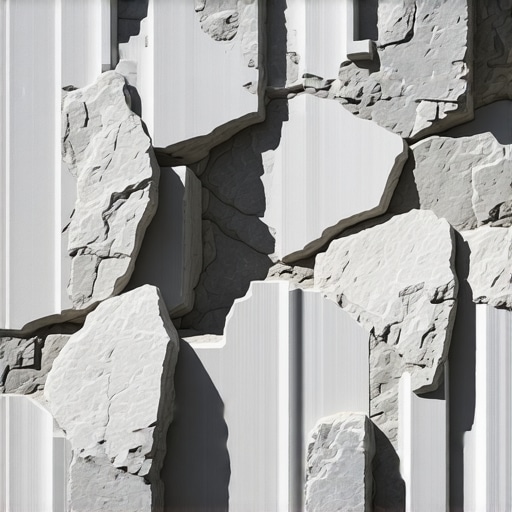
To visualize these cutting-edge materials and their implementation, consider an illustrative cross-section of a micro-engineered stone composite layered atop adaptive reinforcement grids, demonstrating how each component operates synergistically amid complex terrains.
Adopting Intelligent Design Tactics for Environmental Harmony and Safety
Integrating sensor networks within patio structures allows for real-time monitoring of environmental shifts and structural integrity, enabling preventive maintenance and adaptive management. Such systems utilize embedded strain gauges, moisture sensors, and environmental data analytics, facilitating proactive responses to terrain movements or weather impacts. This intelligent approach not only preserves safety and usability but also aligns with smart landscape principles, transforming traditional patios into dynamic, eco-sensitive installations.
How Can Industry Leaders Use AI to Fine-Tune Material Performance?
Artificial intelligence and machine learning models analyze vast datasets from environmental simulations and material testing to predict long-term performance and recommend optimal combinations of bio-composites, nanomaterials, and structural reinforcements. This predictive capability accelerates development cycles and customizes solutions for specific project needs, ensuring unparalleled durability and ecological compatibility. As AI-driven research progresses, landscape architects can tailor material systems that are resilient, adaptable, and sustainable across varied geographic and climatic conditions (source).
Expert Insights & Advanced Considerations
Material Adaptability Will Define Resilient Landscapes
Innovative composite stones and bio-engineered materials are pushing the boundaries of durability and ecological harmony, enabling outdoor patios to seamlessly adapt to challenging terrains while minimizing environmental impact.
Micro-Engineering Opens New Possibilities
Precision micro-structural reinforcement and sensor-integrated foundations offer real-time adaptability, securing long-term stability and enhancing safety on complex, uneven landscapes.
Climate-Responsive Materials Will Lead the Next Wave
Smart materials that respond to environmental changes, such as thermally adaptive stones and hydrophobic coatings, are key to extending outdoor surface longevity and ensuring comfort amid climate variability.
Embracing Circular Economy in Material Lifecycle
Developing reusable, recyclable stone components and responsible sourcing practices aligns outdoor projects with sustainability goals, reducing ecological footprints without compromising structural integrity.
Advanced Installation Techniques Reduce Waste and Time
Robotic systems and AI-driven planning revolutionize stone placement accuracy, accelerate project timelines, and diminish ecological disturbance in complex terrains.
Curated Expert Resources
- American Society of Landscape Architects (ASLA): Offers comprehensive industry standards and innovative trends in sustainable landscape design.
- Journal of Sustainable Materials: Provides research on eco-friendly, resilient construction materials and bio-reactive solutions.
- NanoBioMaterials Laboratory: Pioneers in nano-infused, self-healing stone composites and bio-engineered materials for outdoor applications.
- Green Building Council: Sets policies and best practices promoting circular economy principles within construction.
- RS Construction Resources: Practical guides and case studies on integrating smart, eco-conscious materials into landscaping projects.