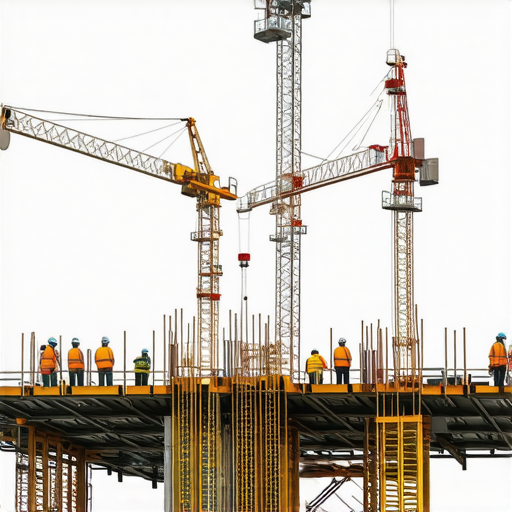

Elevating the Standard of Residential Construction Through Innovative Home Building Techniques
The landscape of home construction is witnessing a paradigm shift driven by emerging technologies, sustainability goals, and evolving aesthetic preferences. As industry professionals, understanding these transformative trends is essential for delivering structures that are not only visually compelling but also structurally resilient and energy-efficient.
Unraveling the Nuances of Advanced Roof Designs in Modern Homes
Roof architecture has transitioned from traditional forms to sophisticated designs that balance style with functionality. Experts now prioritize roof systems that optimize thermal performance, withstand extreme weather, and integrate seamlessly with solar innovations. For instance, modern roof designs often incorporate engineered slope patterns and sustainable materials, reflecting a nuanced understanding of environmental impact and durability.
Strategic Home Remodeling: Enhancing Value While Preserving Structural Integrity
Home remodels today extend beyond superficial updates, focusing on structural improvements that improve safety, accessibility, and energy efficiency. Implementing expert strategies like modular extensions and concealed support systems can drastically alter living spaces without compromising the home’s foundational stability. Comprehensive planning, including the consideration of budget-friendly remodeling secrets, ensures a balance between investment and long-term value.
Incorporating Novel Patio Designs to Maximize Outdoor Living
Outdoor living spaces are increasingly regarded as integral extensions of the home. Expertly designed patios using permeable paving and climate-adapted features create versatile environments, encouraging year-round usage. Explore patio designs that blend aesthetics with sustainability, enhancing the property’s overall appeal and functionality.
How Can Next-Generation Home Designs Shape Future Residences?
What architectural innovations are crucial for building homes that adapt to changing climate conditions and evolving lifestyle needs?
Answering this question involves analyzing the integration of smart home technologies, flexible layouts, and adaptive structural components. The implementation of multi-functional spaces, modular construction principles, and energy-positive systems exemplifies the direction of future-ready home designs. These strategies are not only about aesthetics but also about resilience, sustainability, and livability in a rapidly changing world.
For professionals eager to deepen their expertise, reviewing authoritative resources such as the Building Science Corporation or the National Association of Home Builders reports can provide valuable insights into emerging standards and best practices.
If you’re interested in contributing to this evolving field or sharing innovative ideas, consider connecting with industry peers through specialized forums or attending upcoming conferences focused on sustainable construction and technological integration.
Transforming Materials: The Rise of Smart and Sustainable Building Elements
In the quest for more resilient and environmentally friendly homes, the adoption of innovative materials has become paramount. Smart insulation systems that adjust their R-values based on occupancy and weather conditions offer promising energy savings, aligning with net-zero home strategies. Additionally, novel composites such as carbon-fiber-reinforced polymers are being integrated into structural components, enhancing strength while reducing weight and material waste.
Advanced Construction Techniques Elevate Efficiency and Precision
Emerging building methods like prefabrication and modular assembly are reshaping project timelines and quality control. Prefabricated components manufactured in controlled environments minimize onsite errors and material waste, contributing to greener construction practices. Moreover, robotic automation—such as drone-assisted site inspections and robotic bricklaying—facilitates meticulous craftsmanship and reduces labor shortages, which is essential in keeping pace with increasing demand for housing.

Challenging the Norm: Are We Overlooking the Full Potential of Digital Twins?
How can digital twin technology revolutionize predictive maintenance and lifespan extension of residential structures?
Digital twins—virtual replicas of physical homes—enable real-time monitoring of structural health, energy consumption, and climate adaptation metrics. By leveraging IoT sensors and AI analytics, homeowners and contractors can anticipate issues before they manifest physically, drastically reducing repair costs and extending building longevity. This proactive approach aligns with experts’ views on the future integration of smart home ecosystems, as highlighted by the top industry trends for 2025. As the technology matures, its implementation will become a standard part of sustainable residential design efforts.
For practitioners seeking to stay ahead, exploring the intersection of IoT, AI, and construction management software provides invaluable insights into operational efficiencies and innovation opportunities. Engaging with industry leaders through webinars or conferences on digital twin applications can further expand your strategic toolkit.
Thinking about adopting these cutting-edge materials and methods? Share your experiences or questions in the comments below, and explore how these innovations could redefine your current projects.
Decoding High-Impact Building Codes for Future-Ready Homes
In the realm of residential construction, staying ahead of evolving building codes isn’t merely a compliance issue—it’s a strategic advantage that fosters innovation, safety, and sustainability. Contemporary codes now integrate advanced materials, energy standards, and resilience guidelines reflecting climate change realities and technological progress. This shift demands an expert’s nuanced approach to interpret, adapt, and innovate within these frameworks, ensuring that projects not only meet minimum requirements but set new industry benchmarks.
Implementing Dynamic Structural Design Strategies Amid Regulatory Evolution
Adaptive structural systems are gaining attention as they reconcile stringent safety standards with aesthetic versatility. For instance, the incorporation of seismic-resistant technologies, such as base isolators and damping systems, aligns with updated codes demanding enhanced resilience to natural disasters (see ASCE Structural Engineering Journal). These innovations require sophisticated analysis tools like finite element modeling and dynamic load simulations, which empower engineers to optimize designs under regulatory pressures while pushing creative boundaries.
Can Smart Compliance Systems Revolutionize Building Code Adherence?
Emerging compliance automation tools leverage AI-driven platforms and digital documentation to streamline adherence to complex codes, reducing errors and speeding up approval processes. Such systems can flag potential non-conformities in real-time during design conceptualization, allowing for immediate adjustments that preserve project momentum and safety. For example, integrating Building Information Modeling (BIM) with code compliance modules enhances visualization and validation workflows, a practice endorsed by the BIMForum as instrumental to future construction standards.
Professionals investing in these technologies position themselves at the forefront of sustainable, resilient, and legally compliant homebuilding—transforming compliance from a burden into an enabler of innovation.
Leveraging Material Innovations to Surpass Code Requirements
Materials such as aerogel insulation, phase-change thermal paints, and self-healing concretes not only meet current standards but also open pathways to exceeding them. The challenge lies in integrating these materials within prescribed performance thresholds, like R-values and fire resistance, while exploring their broader impacts on lifecycle costs and environmental footprints. For instance, self-healing concrete, augmented with bacteria or microcapsules, promises enhanced durability and reduced maintenance—aligning with the goals outlined in the ASHRAE standards.
Adopting such materials requires a deep understanding of their behavior under varied environmental conditions, necessitating collaboration between material scientists, structural engineers, and code authorities—highlighting the interdisciplinary nature of advancing residential building excellence.
Future-Forward Construction Techniques Under the New Norms
Innovations like hybrid fabrication methods combining additive manufacturing with traditional techniques are emerging as game-changers. They enable the creation of complex geometries that improve energy efficiency, structural integrity, and aesthetic appeal—all within the bounds of updated safety and sustainability codes. For example, 3D-printed load-bearing walls with integrated insulation streamline assembly while reducing waste and labor costs, an approach supported by recent pilot projects documented in the ASME Journal of Manufacturing Science and Engineering.
However, integrating these techniques into compliance frameworks poses questions regarding standardized protocols, inspection procedures, and long-term performance data—areas ripe for research and development. Authorities and innovative firms must collaborate closely to establish testing benchmarks and certification pathways that encourage safe experimentation without compromising regulatory integrity.
Bridging Today’s Innovations with Tomorrow’s Standards
As the construction industry evolves at a rapid pace, proactive engagement with legislative bodies, standard-setting organizations, and research institutions becomes imperative. Active participation in public consultations, pilot testing programs, and interdisciplinary workshops ensures that emerging technologies and materials are responsibly incorporated into future codes. For instance, the integration of climate-adaptive design principles into local building codes can significantly enhance community resilience, as evidenced by the initiatives led by the FEMA’s Building Resilience Program.
For forward-thinking professionals, embracing a culture of continuous learning, advocating for innovation-friendly regulations, and sharing insights across networks is essential. The frontier of residential construction is shifting—are you ready to lead the change?
Redefining Structural Integrity Through Cutting-Edge Material Applications
In the pursuit of constructing homes that exemplify resilience, sustainability, and aesthetic sophistication, architects and builders are increasingly turning to avant-garde materials. The integration of self-healing concretes, infused with bacterial microcapsules, and aerogel-based insulation with tunable thermal properties exemplifies this shift, enabling structures to withstand environmental stressors while maintaining energy efficiency. These innovations transcend traditional limitations, offering prolonged lifespan and reduced maintenance, and underscore the importance of interdisciplinary collaboration between material scientists and structural engineers.
Harnessing Digital Innovation to Personalize Home Environments
Personalization in home design is evolving beyond mere aesthetics, embracing intelligent systems that adapt to residents’ behaviors and preferences. The deployment of AI-driven occupancy sensors, integrated with IoT ecosystems, allows for dynamic adjustments of lighting, climate control, and security protocols, fostering an environment that maximizes comfort while minimizing energy consumption. This melding of digital twins with real-time data analytics provides a predictive framework for maintenance and operational optimization, setting a new standard for smart home living.
How Do Environmental Loadings Influence Material Selection in Future Residences?
What advanced simulation techniques enable precise assessment of material performance under complex environmental stressors?
Achieving optimal material performance necessitates employing sophisticated modeling tools such as multi-physics finite element analyses and climate-responsive simulations. These techniques predict how materials behave under a confluence of loads—thermal variations, moisture ingress, wind pressures, and seismic activity—facilitating targeted material selection and structural design adjustments. Referencing high-fidelity simulations conducted by institutions like the Institute for Building Environment and Energy Conservation can provide rigorous validation for innovative material deployment in diverse climatic zones.
Embracing these computational methodologies empowers designers to preempt performance issues, enhance resilience, and conform to stringent building codes, especially as they evolve to incorporate climate adaptation criteria. Such precision-driven approaches elevate the fidelity of residential structures, ushering in an era of fully tailored and durable homes.
Innovative Construction Methods Transforming Home Fabrication
The adoption of hybrid manufacturing techniques, combining robotic additive manufacturing with traditional assembly, facilitates the creation of highly customized architectural features with complex geometries. For example, 3D printing load-bearing wall segments integrated with embedded insulation layers streamlines construction timelines and reduces waste. Such methodologies demand rigorous standardization and validation, prompting regulatory bodies to refine certification processes for these emerging practices, as exemplified by the recent advancements from the National Institute of Standards and Technology.
Elevating Regulatory Frameworks to Embrace Advanced Building Technologies
Progressive building codes are increasingly accommodating innovative materials and methods, yet the pace often lags behind technological advancements. Authorities are exploring performance-based codes that focus on outcomes rather than prescriptive measures, thereby fostering experimentation within safe margins. Building Information Modeling (BIM) integrated with regulatory compliance algorithms enhances real-time validation, enabling designers to innovate confidently without breaching standards. Persistent engagement with policymakers and industry stakeholders is crucial to maintain this momentum, ensuring that regulations serve as catalysts rather than bottlenecks.
Driving Industry Leadership Through Thoughtful Innovation Adoption
To remain at the forefront, industry professionals must cultivate a proactive stance toward emerging technologies, adopting pilot projects that demonstrate viability and scalability. Participating in collaborative research initiatives and publishing insights contribute to establishing benchmarks and best practices. Furthermore, engaging in conferences dedicated to sustainable and smart housing propels the profession toward integrating advanced materials and adaptive designs into mainstream construction, ultimately transforming the built environment into a more resilient, efficient, and personalized domain.
Insights Shaping Tomorrow’s Homes
Innovate Beyond Building Codes
Adopting performance-based standards allows for creative freedom while ensuring safety and sustainability, pushing the industry toward more resilient homes with tailored solutions.
Embrace Digital Twin Potential
Leveraging virtual replicas of structures enables real-time monitoring, predictive maintenance, and longevity extension, placing intelligent building management at the forefront of smart residential design.
Prioritize Material Breakthroughs
Incorporate smart composites and self-healing materials to increase durability and reduce lifecycle costs, aligning with strategies for high-performance, eco-friendly residences.
Revolutionize Construction Methods
Utilize prefabrication and automation to enhance precision, speed, and resource efficiency, setting new benchmarks for quality and sustainability in home building.
Sculpt Future Skylines with Adaptive Architecture
Design flexible, climate-responsive structures that evolve with residents’ needs, reflecting a proactive approach to climate change and lifestyle variations.
Top Resources for Industry Pioneers
- Building Science Corporation: Offers advanced research on resilient and sustainable building practices.
- National Association of Home Builders: Provides standards, insights, and innovations shaping future home construction.
- ASHRAE Standards: Guides effective integration of energy-efficient and climate-ready systems.
- American Institute of Steel Construction: Critical for understanding cutting-edge structural materials and methods.
- Industry Webinars & Conferences: Platforms for networking, collaboration, and learning about emerging trends and technologies.
Seize Leadership in Residential Evolution
Harnessing the latest insights in smart materials, digital innovation, and adaptive design elevates the discipline of home construction. By staying engaged with authoritative resources, industry experts can shape sustainable, resilient, and innovative residences that meet the demands of an ever-changing world. The call to action is clear: become an active participant in this transformation, sharing your expertise and adopting pioneering techniques that set new industry standards.