
Unveiling the Hidden Impact of Proper Roof Edge Detailing on Structural Integrity
In contemporary home designs, the minutiae of roof construction significantly influence durability, energy efficiency, and aesthetic appeal. Among these, the installation of drip edges often remains overlooked, yet experts recognize it as a pivotal element preventing water intrusion and extending roof lifespan. Failure to incorporate a properly secured drip edge compromises the entire roofing system, leading to costly repairs and premature failure.
Why Skipping the Drip Edge Can Trigger Premature Roof Deterioration
The core function of a drip edge is to direct water away from underlying roofing components. When absent or improperly installed, water infiltrates the roof assembly, causing the deterioration of rafters, sheathing, and ultimately undermining structural integrity. This oversight not only shortens the functional lifespan of a roof but also complicates home remodels and future home building projects, where long-term performance is paramount.
What are the expert recommendations to ensure drip edges serve their purpose effectively?
Experts advise meticulous attention to material selection—preferably aluminum or copper for durability—and precise installation techniques to prevent gaps or misalignment. In addition, integrating this step within the broader scope of modern roof designs enhances both aesthetics and functionality. A seamless integration ensures water runoff is directed precisely to prevent leaks that could compromise the entire structure.
Integrating Drip Edge Strategies Into High-End Home Designs
Advanced home designs now leverage innovative roofing materials and flashing techniques to complement drip edge installation. For instance, the synergy between stylistic metal roof elements and high-quality drip edges enhances curb appeal while safeguarding against the elements. Proper detailing becomes even more critical incomplex architectural features such as dormers or extended eaves, where water management is notoriously challenging.
How Does Home Building Adapt in Response to Climate Extremes?
In regions prone to heavy rainfall or snow, meticulous attention to roof edge components directly correlates with resilience. The integration of sophisticated drainage systems, combined with precise drip edge placement, forms a frontline defense against weather-induced damage. Working with reputable metal roof installers and following current standards ensures your home building projects withstand climate extremities for decades.
Contributing to the Evolution of Sophisticated Home Exteriors
Professionals in home remodels and patio designs should consider how integrative details like drip edges influence overall durability. Sharing insights, tackling emerging challenges, and adopting a proactive stance maintains architectural integrity and enhances homeowner confidence. For more expert guidance, visit our comprehensive home remodeling resource hub.
Mastering the Art of Seamless Roof Transitions for Long-Term Resilience
While installing a drip edge is fundamental, advanced roof edge detailing emphasizes creating impeccable transitions between roofing materials and adjacent structures. Precision in flashing integration, sealant application, and material compatibility ensures water is effectively diverted, reducing the risk of leaks and extending roof life. Skilled craftsmanship in these areas surpasses basic installation, transforming functional elements into architectural assets that uphold stylistic harmony and sustainability in contemporary home designs.
Is Your Current Approach to Roof Edge Protection Setting You Up for Costly Repairs?
Many homeowners underestimate the importance of meticulous edge detailing, leading to overlooked vulnerabilities. Studies show that improperly sealed or mismatched flashing can accelerate material degradation and promote moisture intrusion. Experts recommend conducting regular inspections, especially after extreme weather events, to identify early signs of wear. Incorporating moisture barriers and choosing materials with proven thermal expansion compatibility minimizes stress and prevents crevice formation that often becomes entry points for water damage. For advanced guidance, consulting trusted metal roof installation specialists can be transformative in safeguarding your investment.
How Can Modern Materials and Techniques Revolutionize Your Roof Edge Outcomes?
The integration of innovative materials such as polymer-modified flashings or flexible sealants elevates traditional roofing methods. These enhancements accommodate seasonal movements and structural shifts without compromising waterproofing. Additionally, adopting building information modeling (BIM) software in planning phases allows builders to visualize seamless transitions between roof components, reducing installation errors. Embracing these technological advances translates into resilient roofs that adapt to climate challenges and architectural complexities, aligning with the latest top residential construction trends.
Embedding Edge Detailing Strategies into Sustainable Home Environments
As sustainability takes center stage, eco-conscious homeowners and builders are exploring permeable and recycled materials for roof edges. Combining these with active water management systems—notably, integrated rainwater harvesting—enhances environmental resilience. Transition zones around roof edges can also be designed to support solar shading and natural ventilation, reducing cooling loads. These practices underscore the importance of thinking beyond mere protection, aiming for holistic, sustainable roof systems that boost property value and environmental stewardship.
Enhance Your Roofing Knowledge: Share Your Experiences or Challenges
Engage with our community by sharing your insights, questions, or success stories related to roof edge installations. Whether you’re planning a new build or renovating, understanding the nuances of advanced detailing can save you thousands in the long run. For personalized advice or to explore innovative solutions tailored to your project, visit our contact page and connect with proven experts dedicated to elevating home durability.
Harnessing Innovative Materials for Superior Roof Edge Performance
In the quest for long-lasting, weather-resistant roofing systems, the adoption of cutting-edge materials has revolutionized how professionals approach edge detailing. Traditional aluminum or copper remain staples, but high-performance options such as polymer-modified flashing and elastomeric sealants are gaining traction. These materials offer enhanced flexibility, thermal expansion compatibility, and superior adhesion properties, reducing vulnerabilities caused by movement, temperature fluctuations, and moisture ingress. Incorporating these advanced substances not only extends roof lifespan but also aligns with sustainable practices by reducing maintenance cycles over time.
What are the critical considerations when selecting innovative roof edge materials for complex architectural designs?
Selecting optimal materials hinges on factors like structural demands, environmental exposure, and compatibility with existing building components. For intricate geometries such as curved eaves or multi-faceted rooflines, flexible, weatherproof materials like EPDM rubber or thermoplastic membranes facilitate seamless transitions and reduce installation stress. Consulting specialized suppliers and adhering to manufacturer specifications ensures performance integrity, especially in regions subject to extreme weather conditions. Integrating these choices within a holistic design approach significantly mitigates risks associated with thermal cycling, UV degradation, and mechanical stress.
Intelligent Detailing Practices Enhance Water Management and Aesthetic Appeal
Integrating advanced detailing techniques, such as staggered joint formations and hybrid flashing assemblies, creates a robust barrier against water infiltration. Employing building information modeling (BIM) can visualize complex transitions, ensuring precision in flashing overlaps, sealant placements, and material interfaces. This digital approach reduces human error and allows for iterative testing of designs before physical implementation. Consequently, homeowners and builders benefit from more predictable outcomes and reduced post-installation adjustments, reinforcing structural resilience while elevating aesthetic coherence.
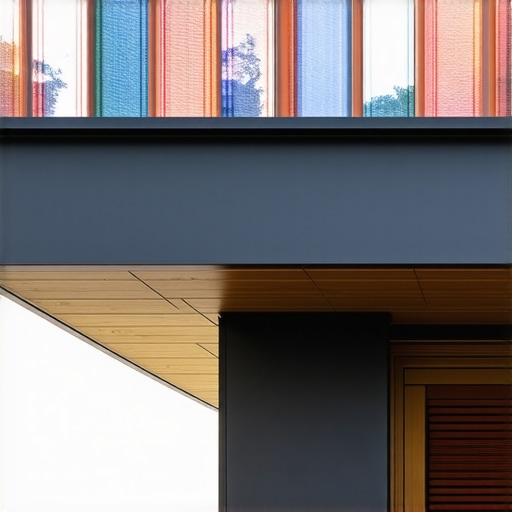
Caption: Detailed illustration of high-precision roof edge components showcasing seamless material transitions and advanced water management features.
Integrating Climate Adaptive Strategies into Roof Edge Configurations
In environments prone to shifting weather patterns, adaptable roof edge designs become essential. Features such as adjustable flashing systems, thermal expansion joints, and vented eaves mitigate the adverse effects of seasonal movements and moisture accumulation. Incorporating climate-responsive elements, like reflective coatings and insulating barriers within the edge assembly, enhances thermal regulation and longevity. These strategies require meticulous planning and collaboration with climate experts and material scientists to develop bespoke solutions that anticipate future environmental shifts.
How can predictive modeling tools inform the development of adaptive roof edge designs?
Using advanced simulation software, such as computational fluid dynamics (CFD) and finite element analysis (FEA), designers can forecast how roof edges respond under various extreme conditions, including heavy rainfall, snow loads, and high winds. These insights enable the optimization of edge profiles, flashing configurations, and drainage pathways before construction begins. Embracing these technological tools fosters innovative solutions that are both resilient and tailored to specific climatic challenges, ultimately reducing lifecycle costs and enhancing homeowner confidence.
Marrying Sustainability with Structural Integrity in Modern Roof Edge Construction
As ecological consciousness permeates construction, integrating sustainability into roof edge systems encompasses more than material choices. Designers are exploring recycled and permeable materials for fascia and drip edges that facilitate rainwater harvesting and reduce urban runoff. Additionally, incorporating vegetative or green roof edge elements can provide insulation benefits and habitat connectivity. These eco-centric innovations demand a comprehensive understanding of load-bearing capacities, waterproofing, and thermal behavior, ensuring that sustainability does not compromise structural robustness.
Join the Conversation: Share Your Insights on Sustainable Roof Edge Innovations
Have you experimented with eco-friendly materials or adaptive detailing in your roofing projects? Your experiences could inspire industry-wide improvements. Engage with our community by sharing stories, questions, or success cases. For personalized guidance and to stay abreast of the latest sustainable roofing technologies, connect with our expert team through our contact page. Together, we can redefine longevity and resilience in modern home construction.
Engineers’ Secrets to Precision in Roof Edge Engineering
Optimizing roof edge systems demands meticulous attention to detail, pushing beyond standard practices to embrace innovative engineering solutions. Precise fabrication of flashing assemblies and integration of thermal expansion joints are critical, especially in climates with wide temperature fluctuations. Advanced CAD modeling and simulation tools enable engineers to predict material behavior under dynamic conditions, ensuring seamless transitions that mitigate water ingress and structural stress. Leveraging such technologies transforms traditional craftsmanship into an exact science, elevating the longevity of residential roofing systems.
Can cutting-edge simulation technologies enhance roof edge resilience in complex architectural structures?
Indeed, finite element analysis (FEA) and computational fluid dynamics (CFD) allow engineers to visualize stress distribution and airflow around intricate roof geometries. These tools facilitate the optimization of flashing profiles and sealant placements, ensuring adaptive responses to environmental loads. As a result, roof edge assemblies become more robust against extreme weather, reducing maintenance costs and safeguarding structural integrity over decades. Partnering with specialized consultants familiar with these digital methodologies can unlock new levels of precision in high-end home projects.
Incorporating Eco-Intelligent Materials for Sustainable Edge Solutions
The convergence of sustainability and durability prompts innovators to explore eco-conscious materials with enhanced performance characteristics. Polymer composites infused with recycled content, combined with nanotechnology coatings, offer superior resistance to UV degradation, thermal cycling, and moisture penetration. These materials not only extend service life but also reduce ecological footprints, aligning with green building certifications. Integrating such solutions into roof edge systems signifies a strategic move toward eco-innovation without compromising structural demands, especially in regions experiencing climate volatility.
How do nanotech-enhanced materials redefine robustness in modern roof edge components?
Nanotechnology imparts exceptional resilience by creating molecular-scale barriers against environmental wear. Coatings formulated with nanoparticles can repel water, resist mold, and withstand temperature extremes while maintaining flexibility. In high-performance application contexts, these materials outperform traditional options, ensuring the integrity of critical junctions against unpredictable climate patterns. Employing these innovations not only future-proofs home exteriors but also exemplifies industry leadership in sustainable resilience.
Designing for Extreme Climate Zones with Adaptive Edge Systems
Integrating climate-adaptive features into roof edge detailing becomes paramount in zones susceptible to hurricanes, heavy snowfall, or desert heat. Modular flashing systems with adjustable padding, ventilated barriers, and dynamic sealant interfaces accommodate seasonal and longitudinal environmental changes. Advanced moisture management strategies—such as capillary break layers and vapor retarders—prevent condensation buildup within wall assemblies, thereby averting hidden mold and material degradation. Tailoring these systems through predictive climate modeling ensures homes withstand the fiercest of elements, reducing the risk of catastrophic damage.
Are climate-responsive roof edge designs the key to resilient luxury homes in extreme environments?
Absolutely, integrating responsive design elements that adapt to local weather conditions significantly enhances structural resilience and homeowner safety. Utilizing geographic climate data and real-time environmental monitoring allows for dynamic adjustment of roof edge components, such as venting mechanisms and moisture barriers. This proactive approach offers a paradigm shift from static, one-size-fits-all solutions to intelligent, site-specific systems that guarantee enduring performance. Collaborating with climate science experts and material technicians maximizes these benefits, ensuring your residence remains steadfast amid environmental upheavals.
Integrating High-Performance Sealants for Leak-Free Perfection
The choice of sealant technology influences the success of advanced roof edge detailing. Hybrid sealants combining silicone and polyurethane provide exceptional elasticity, UV stability, and adhesion—attributes essential for enduring water-tightness. Application techniques, such as butt joints with backing rods and bead optimization, are equally crucial. High-precision installation guarantees that the sealant withstands thermal movement, mechanical stress, and moisture ingress, especially at complex junctions like dormer kinks or multi-material transitions. Mastering these details elevates the entire roofing system into a fortress against the elements.
What role does material compatibility play in long-term sealant performance at complex roof edges?
Material compatibility ensures that sealants adhere properly, do not degrade prematurely, and maintain flexibility across varied substrates. Incompatible combinations can lead to delamination, cracking, and leaks, undermining structural durability. Selecting sealants tested for specific substrates—such as metal flashing, concrete, or wood—and verifying their chemical interactions is essential. Regular inspection and maintenance further prolong effectiveness, transforming these critical junctions from potential vulnerabilities into model examples of resilient design.
Expert Insights That Drive Resilience
Precision in Material Selection Is Crucial
Choosing the right materials, such as corrosion-resistant aluminum or copper, ensures longevity and seamless integration with diverse architectural styles. Material compatibility directly impacts water diversion efficiency and overall roof performance, especially in challenging climates.
Architectural Detailing Boosts Longevity
Incorporating intricate flashing, strategic sealant application, and thoughtful transition zones between materials enhances both aesthetic appeal and functional reliability. These details prevent water ingress, guarding against hidden damage that stealthily undermines the structure over time.
Leverage Digital Visualization Tools
Utilizing advanced modeling software like BIM enables precise planning of complex transitions, reducing installation errors and improving overall system performance. Visualization ensures that every component works harmoniously within the broader roof design.
Trusted Resources for Cutting-Edge Roofing Excellence
- National Roofing Contractors Association (NRCA): Offers comprehensive guidelines, standards, and latest industry trends for advanced roof edge systems, fostering adherence to best practices.
- Building Science Corporation Publications: Provides in-depth research on material performance, moisture management, and innovative construction techniques vital for modern roof detailing.
- Manufacturer Technical Datasheets: Essential for selecting compatible materials like sealants, flashings, and membranes, ensuring durability under various environmental conditions.
Reflections on Building for the Future
Mastering modern roof edge detailing intertwines meticulous craftsmanship with innovative technology, transforming simple protective elements into architectural assets that define resilience. Recognizing the critical influence of advanced materials and precise engineering underscores the importance of our role in long-term home integrity. Engage with peers, continuously update your knowledge, and leverage technological tools to push the boundaries of durable, sustainable roofing systems—your expertise shapes resilient homes that stand the test of time.