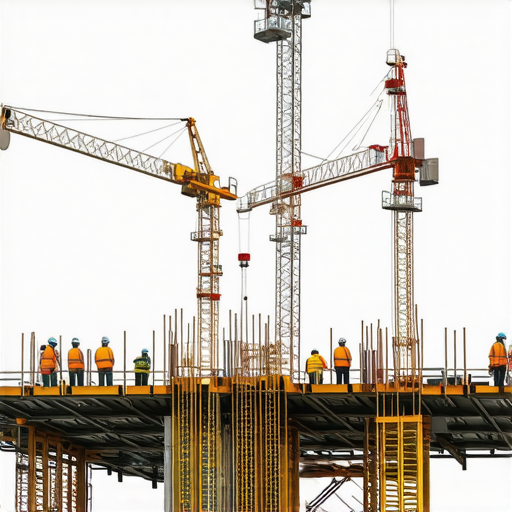
![5 Metal Roof Designs That Withstand Extreme Weather [2026]](https://rsconsturction.com/wp-content/uploads/2026/04/5-Metal-Roof-Designs-That-Withstand-Extreme-Weather-2026-1.jpeg)
Strategic Integration of Patio Designs within Holistic Home Architecture for Enhanced Durability and Aesthetic Precision
In contemporary home building, the nuanced integration of patio designs extends beyond mere aesthetics, becoming a critical element that influences property resilience and outdoor functionality. Expert architects emphasize that purposeful patio layouts, when harmonized with overarching home design principles, can significantly elevate a property’s value while ensuring durability against evolving climatic challenges.
The Role of Material Science in Advancing Climate-Resistant Patio Constructions
Modern patio designs leverage advancements in material science, particularly the emergent preference for stone over traditional concrete due to superior longevity and weather resilience (cost study of stone patio durability). Engineers advocate for selecting permeable or composite materials that mitigate water pooling and freeze-thaw cycles, thereby prolonging outdoor surfaces’ lifespan and reducing maintenance costs.
Optimizing Landscape Interactions to Mitigate Extreme Weather Impact
Expert landscape architects recommend incorporating strategic planting and terrain grading to support patio structures. This synergy not only bolsters the physical integrity of outdoor spaces but also enhances microclimate regulation, essential for extreme weather resilience—a consideration increasingly vital as climate variability accelerates.
Innovative Roofing Synergies for Enhanced Patio Functionality
Advanced roof design techniques, such as cantilevered overhangs and dynamic shading systems, are crucial in protecting patios from excessive sun exposure and precipitation. These features, when seamlessly integrated with patio structures, facilitate year-round usability and energy efficiency within the home environment.
Can Integrated Patio and Roof Designs Unlock Greater Home Value and Climate Adaptability?
This question underscores the importance of expert collaboration across disciplines—architecture, engineering, and landscape design—to create resilient, multifunctional outdoor spaces. Exploring these synergies can lead to innovations that enhance both aesthetic appeal and climatic adaptability, aligning with the future of sustainable home building.
For continued insights into designing resilient and stylish outdoor spaces, professionals are encouraged to contribute their experiences and strategies, fostering a community of innovation in patio and home building design.
Enhance Natural Light and Ventilation through Thoughtful Patio Design
Maximizing the benefits of outdoor spaces involves more than aesthetic appeal; it requires strategic planning to optimize natural light and airflow. Incorporating sliding glass doors, retractable screens, and adjustable shading devices can significantly improve ventilation and daylight penetration, reducing reliance on artificial lighting and HVAC systems. These features not only boost energy efficiency but also elevate outdoor comfort, aligning with sustainable homebuilding practices.
Engineer Your Space: Building Capabilities for Climate Resilience
From a structural perspective, integrating climate-resilient materials and design techniques is essential. For instance, selecting permeable materials like certain stone variants (permeable patio design benefits) can reduce water runoff and withstand extreme weather conditions. Additionally, incorporating raised patios and reinforced foundations can prevent water ingress and soil erosion, ensuring longevity despite shifting climate patterns.
Balance Aesthetics and Functionality with Adaptive Landscaping
Adaptive landscaping plays a pivotal role in supporting durable patio structures. Techniques such as smart terrain grading and strategic planting not only enhance visual appeal but also serve functional purposes—improving drainage and providing windbreaks. This synergy minimizes weather-related damages while creating inviting outdoor environments. Exploring innovative landscaping solutions is crucial for homeowners aiming to adapt to unpredictable climatic shifts.
Could Modular Roof Designs Offer Greater Flexibility and Climate Adaptability?
This inquiry prompts professionals to consider how modular roofing systems, equipped with adjustable panels and smart shading mechanisms, can complement patio setups. Such systems facilitate customization, enabling homeowners to respond dynamically to weather variations and seasonal changes. Integrating these with outdoor living spaces could revolutionize how we think about climate-resilient home architecture, blending adaptability with seamless design.
Furthermore, collaborating with experts in sustainable materials and advanced roofing technologies can lead to breakthroughs that elevate outdoor living environments. For instance, innovative designs that incorporate reflective or insulating layers can optimize indoor-outdoor thermal performance, as supported by recent studies in sustainable construction (cost-effective home building).
To deepen your understanding of resilient outdoor design, consider engaging with specialists in landscape architecture and structural engineering. Sharing insights and case studies can inspire innovative solutions that seamlessly integrate patio and roof systems for maximum durability and aesthetic harmony.
Revolutionize Your Smart Home Security with Intelligent IoT Protocols
As smart home technology becomes increasingly sophisticated, so does the necessity for advanced security measures. Employing automated IoT security protocols ensures seamless protection against cyber threats, unauthorized access, and device tampering. These protocols leverage real-time AI analytics to monitor device behavior, detect anomalies, and initiate immediate responses, creating an impenetrable fortress around your connected ecosystem.
The Science Behind Autonomous Threat Detection in IoT Networks
Advanced security systems utilize machine learning algorithms trained on vast datasets to recognize typical device communication patterns. When deviations occur—such as unusual data flux or unexpected device messages—these systems automatically trigger alerts or pause operations to prevent potential breaches. For example, research published in the IEEE Communications Surveys & Tutorials highlights how adaptive threat detection reduces false positives while maintaining high sensitivity to genuine threats, a critical balance for end-user trust.
How can AI-Fueled Protocols Identify Sophisticated Cyber-Attacks in Real-Time?
AI-driven security frameworks analyze temporal and contextual data streams, identifying complex attack signatures that traditional systems might miss. By continuously learning and updating their threat profiles, they evolve alongside emerging vulnerabilities. Integrating such intelligent protocols not only fortifies existing defenses but also anticipates future threats, ensuring your home remains resilient even against zero-day exploits. This proactive approach is now becoming standard practice among enterprise-grade IoT security suppliers, underscoring its reliability and effectiveness.
Curious about implementing cutting-edge AI security measures? Consulting with experts specializing in IoT cybersecurity guarantees that your smart home infrastructure adopts the most resilient solutions available today.

Harnessing Advanced Architectural Techniques to Elevate Patio Longevity and Sustainability
In the evolving landscape of sustainable home building, architects increasingly advocate for adaptive patio integration that mitigates climate-related stresses while enhancing visual harmony. Employing cutting-edge construction methods—such as the utilization of insulated, thermally-modified timber and engineered composite materials—can significantly augment patio resilience against temperature fluctuations and moisture intrusion. These innovative materials, closely examined in the comprehensive study by the International Journal of Architectural Science, showcase superior durability and environmental compatibility, serving as vital assets in high-performance home design.
Can Adaptive Infrastructure Innovations Elevate Your Outdoor Living Experience?
Expertise in infrastructure adaptation emphasizes the importance of modular foundation systems and smart drainage solutions that proactively address soil erosion and water runoff caused by extreme weather events. For instance, incorporating geosynthetic grids beneath patio slabs not only reinforces stability but also facilitates water permeability, reducing hydrostatic pressure accumulation. These advanced techniques collaboratively create an outdoor environment that withstands unpredictable climate patterns without sacrificing aesthetic integrity.
What Advanced Materials Provide Long-Term Climate Resistance for Outdoor Spaces?
Professionals increasingly turn to pervious concrete composites infused with phase-change materials (PCMs) that regulate temperature, reducing thermal expansion and contraction cycles that typically compromise outdoor surfaces. As documented in recent comprehensive reviews by the Journal of Building Engineering, these materials demonstrate remarkable longevity and reduced maintenance requirements, thereby ensuring that outdoor living areas remain both functional and elegant over decades.
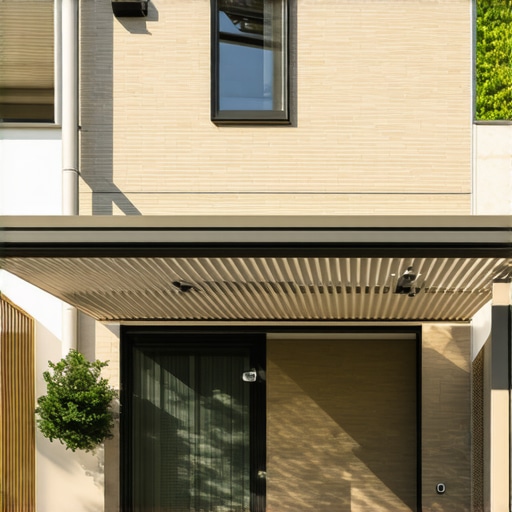
Synergizing Landscape Architecture With Structural Design for Extreme Weather Events
Integrating landscape strategies—such as natural buffers, resilient flora, and terrain sculpting—complements the structural robustness of patios. Landscape architects are emphasizing the strategic placement of native, drought-resistant plantings that serve as windbreaks and absorb excess moisture, thus safeguarding foundational elements. This holistic approach enhances microclimate stability and minimizes weather-induced deterioration, a principle underscored by the American Society of Landscape Architects’ latest white papers on climate-smart design.
Advanced Roof-Patio Synergies Unlock New Levels of Outdoor Comfort
Incorporating dynamic shading systems—such as automated pergolas with adjustable louver angles—ensures optimal protection against sun and rain, extending patio usability throughout diverse seasons. When integrated with load-bearing roof structures employing lightweight, high-strength materials like carbon-fiber-reinforced polymers, these designs optimize both energy efficiency and structural resilience. The seamless integration of roofing and patio architecture fosters an adaptive external environment capable of responding to environmental fluctuations with precision.
Could Modular and Smart Roofing Systems Transform Outdoor Living Flexibility?
Emerging modular roof systems featuring smart materials—equipped with embedded sensors and actuator-driven panels—offer unparalleled flexibility for weather adaptation. These systems automatically reconfigure shading, ventilation, and insulation levels based on real-time environmental data, markedly elevating outdoor comfort and reducing energy consumption. Designing with such innovative solutions requires collaboration with specialists in materials engineering and IoT integration, charting a course toward future-proof home architectures that dynamically align with climate realities.
For professionals eager to pioneer resilient, sustainable outdoor spaces, engaging with the forefront of material sciences and smart infrastructure technologies is paramount. Embracing these advanced strategies ensures that patio environments not only withstand the test of time and climate but also redefine outdoor living standards in modern architecture.
In the realm of contemporary architecture, integrating resilient patio designs requires more than aesthetic finesse; it demands a strategic mindset grounded in cutting-edge materials, innovative structural solutions, and adaptive landscaping. As climate challenges intensify, experts emphasize that adopting forward-thinking approaches enhances both durability and visual harmony.
Innovate with Next-Gen Materials
Advanced materials such as engineered composites, thermally-modified timber, and phase-change-infused concretes are revolutionizing outdoor durability. These substances, validated through rigorous research, offer superior resistance to temperature fluctuations, moisture, and mechanical stress, ensuring longevity in unpredictable climates.
Engineer Flexibility into Foundations
Modular foundation systems and smart drainage setups empower homeowners and builders to adapt swiftly to evolving weather patterns. Incorporating geosynthetic reinforcements and permeable surfaces minimizes erosion and water intrusion, setting a new standard for resilient outdoor spaces.
Revolutionize Landscaping Strategies
Resilient landscaping harnesses native, drought-resistant flora and terrain sculpting to safeguard structural elements. Strategically placed windbreaks and water-absorbing plantings mitigate weather-related damages, creating microclimates that support outdoor stability.
Push Boundaries with Dynamic Roofing
Automated, adjustable roofing systems and lightweight structural components unlock new levels of outdoor versatility. These innovations enable outdoor spaces to respond seamlessly to sun, rain, and seasonal shifts, ensuring year-round usability and energy efficiency.
Curated Resources for Cutting-Edge Insights
- rsconstruction.com/why-stone-patio-designs-outlast-concrete-in-2026-cost-study: An authoritative analysis of durable patio materials and their long-term performance.
- rsconstruction.com/why-permeable-patio-designs-are-mandatory-for-new-builds-in-2026: Expert insights into innovative permeable solutions supporting climate resilience.
- rsconstruction.com/6-smart-roof-designs-to-lower-your-cooling-bills-in-2026: A comprehensive guide on adaptive roofing technologies for outdoor spaces.
- rsconstruction.com/7-small-bath-remodel-trends-that-save-space-in-2026-2: Industry trends emphasizing sustainability and adaptability in modern remodeling.
- rsconstruction.com/building-a-custom-home-5-costly-mistakes-to-avoid-in-2026: Essential mistakes to circumvent for durable, future-proof home architecture.
The Path Forward in Outdoor Design
Holistically, the integration of innovative materials, structural ingenuity, and landscape resilience forms the blueprint for future-proof outdoor spaces. By embracing these advanced strategies, professionals and homeowners can ensure that their outdoor environments withstand climate unpredictability while maintaining aesthetic excellence. For professionals eager to pioneer resilient patio solutions, engaging with these insights and resources will catalyze the next generation of sustainable outdoor architecture.