Revolutionizing Residential Outdoor Spaces with Permeable Pavements Amid Evolving Regulatory Demands
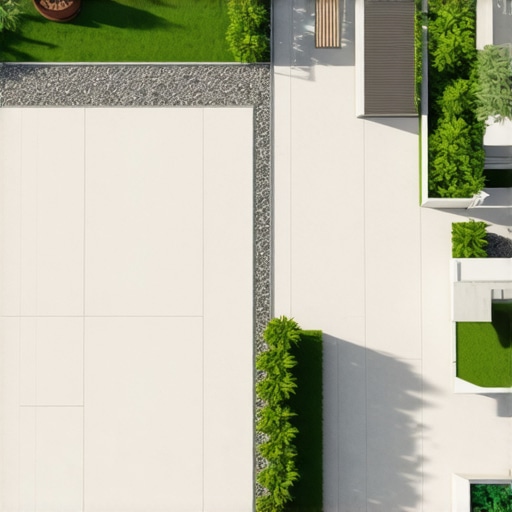
As the property development sector anticipates stricter environmental regulations by 2026, innovative permeable patio designs have emerged as essential components in sustainable home building practices. These systems transcensively align with the broader objectives of stormwater management, urban heat island mitigation, and ecological conservation, thereby redefining landscape architecture and construction paradigms.
Within this context, engineers and architects are leveraging advanced materials and layered systems to facilitate effective water infiltration while maintaining aesthetic appeal and durability. The integration of permeable pavements directly influences the longevity of foundational structures, reduces runoff-related erosion, and supports green infrastructure initiatives endorsed by environmental authorities such as [EPA](https://www.epa.gov/green-infrastructure).
Unveiling the Complexities of Structural Compatibility and Ecosystem Integration
Designing permeable patios involves a nuanced understanding of soil permeability, load-bearing capacity, and climate-specific performance. Expert practitioners emphasize that these systems must be meticulously engineered to offset compaction and infiltration rates, ensuring the natural aquifer recharge remains unobstructed. When executed correctly, they contribute extensively to the resilience of residential landscapes against the increasing frequency of extreme weather events.
Why Are Traditional Surfaces No Longer Sufficient in Future-Proof Home Designs?
Static, impermeable surfaces will increasingly fall short of regulatory compliance and environmental sustainability criteria. The shift towards permeable alternatives offers a multilayered benefit spectrum—from reducing urban flooding to enhancing biodiversity corridors around residential zones. This transition underscores the importance of adopting a holistic, microclimate-aware design approach for modern homes.
How Do Permeable Patio Systems Affect Energy Efficiency and Property Value?
Incorporating permeable surfaces offers indirect benefits such as moderating ground temperatures, reducing cooling demands, and elevating overall property appeal. These attributes resonate with eco-conscious homebuyers and contribute to energy savings, thus reinforcing the strategic value of such investments in property resale valuations. For insights into complementary home improvements, see stone patio options for uneven yards.
As the industry transitions to stricter standards, it becomes paramount for professionals to remain informed about innovative materials, local regulation evolutions, and technology-driven solutions capable of elevating home designs to new sustainability heights.
Engage with this strategic shift by exploring further expert content or sharing your professional experiences in green infrastructure integration, fostering a resilient, eco-friendly residential landscape evolution.
Expanding Horizons: Creative Approaches to Home Extensions
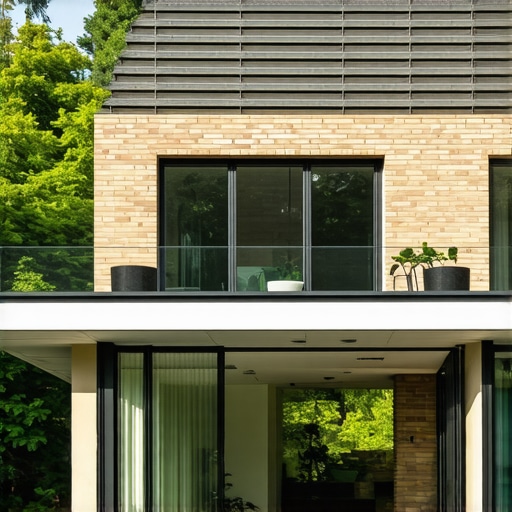
As homeowners seek to maximize space without compromising style or sustainability, modern extension projects are embracing innovative designs that blend functionality with environmental consciousness. From modular additions to multi-purpose rooms, these strategies serve as practical solutions aligned with the evolving standards of eco-friendly construction.
One trending approach involves incorporating **smart, scalable extensions** that adapt to changing family needs while minimizing construction waste. Techniques like prefabricated panels and modular modules not only streamline on-site work but also promote sustainable practices, aligning with the latest guidelines seen in articles like innovative home extension solutions for 2026.
Leveraging Natural Light and Open Spaces for Better Living
A critical consideration in extension design is the thoughtful integration of natural light. An expertly planned layout enhances indoor air quality, reduces reliance on artificial lighting, and creates an inviting atmosphere. Employing large, energy-efficient windows or skylights, combined with open floor plans, can significantly increase the perception of space—an approach supported by research emphasizing sustainable design principles.
Is Your Home Ready for a Green and Cost-Effective Expansion?
Beyond aesthetics, a well-executed home extension should contribute to energy efficiency and cost savings. This entails using high-performance insulation, triple-glazed windows, and incorporating renewable energy integrations like solar panels. Moreover, selecting eco-friendly materials such as recycled steel or sustainably sourced timber aids in reducing the carbon footprint of the project. For comprehensive strategies on minimizing construction expenses while maximizing environmental benefits, refer to cost-effective home building tactics for 2026.
How Can Innovative Design Principles Transform Your Home Renovation Experience?
Applying cutting-edge design frameworks—such as biophilic design or passive house standards—can profoundly influence both the sustainability and livability of your home extension. These methodologies promote a harmonious relationship between indoor environments and the natural surroundings, fostering well-being and resilience. To explore how integrating these principles can elevate your project, consult industry experts or local building authorities familiar with recent updates to sustainable construction standards.
Thinking about future-proofing your living space? Engage with professionals who prioritize eco-conscious strategies or share your own experiences with innovative home upgrades in the comments below. Learning from practical applications can empower you to make informed decisions that align with the best practices shaping the industry today.
Unlocking Nature’s Potential for a Harmonious Living Environment
Incorporating biophilic principles into residential extensions has transitioned from a trend to an essential element of sustainable architecture. By seamlessly blending indoor and outdoor environments, homeowners and designers foster enhanced well-being, increased property value, and a resilient microclimate.
Biophilic design integrates natural elements such as organic shapes, natural materials, and visual coherence with surrounding landscapes. Techniques like living walls, indoor gardens, and daylight harvesting not only connect residents to nature but also improve air quality and thermal comfort. Recent studies indicate that such integrations can reduce indoor temperatures by up to 8°C, significantly lessening reliance on mechanical cooling systems.
Can Biological Algorithms Optimize Structural Adaptability?
Emerging research in biomimicry suggests that complex natural systems—like cellular networks and plant vascular structures—can inspire adaptive architectural frameworks. For example, algorithms modeled after leaf veins optimize water distribution in green roofs, ensuring efficient irrigation and cooling effects. By deploying computational simulations based on biological networks, architects can predict and fine-tune the performance of eco-friendly extensions before construction even begins. According to a comprehensive review in Journal of Sustainable Architecture (2023), algorithmic biomimicry advances the capacity for resilient, self-regulating structures that respond dynamically to environmental stimuli.
Integrating these methods requires interdisciplinary collaboration, merging ecology, computational modeling, and structural engineering—an approach that pushes the envelope of what sustainable homes can achieve.
Advanced Building Materials for Eco-Friendly Expansion Projects
The quest for sustainable, durable, and low-impact materials has propelled innovation in the construction industry. Recycled composites, such as high-performance fiber-reinforced plastics derived from industrial waste, now serve as viable alternatives to traditional timber and steel. These materials offer structural strength comparable to conventional options but with a significantly reduced carbon footprint.
Additionally, emerging bio-based materials—like mycelium insulation and bamboo composites—exhibit superior insulative properties and rapid renewability. Incorporating these materials into extension projects not only aligns with stricter environmental regulations but also minimizes resource depletion. For instance, mycelium panels have demonstrated fire retardancy, acoustic insulation, and pest resistance, making them suitable for various residential applications.
To leverage the latest material innovations effectively, homeowners and builders should consult with specialists who keep abreast of evolving standards, such as the updated specifications from the International Code Council (ICC) and LEED accreditation guidelines.
What Are the Long-Term Cost Implications of Sustainable Material Choices?
While the upfront costs of innovative eco-friendly materials can be higher, their longevity and energy savings typically compensate over the lifespan of the structure. Studies published in the Journal of Construction Engineering and Management (2022) reveal that properties utilizing sustainable materials experience up to 25% reductions in maintenance expenses and a 15% increase in resale value.
Considering this, strategic investments in high-quality, environmentally responsible materials serve as a prudent pathway for future-proofing residential extensions against market fluctuations, climate variability, and regulatory changes. Professionals can assist in calculating the return on investment, guiding clients through certification processes such as WELL or Living Building Challenge standards, thereby maximizing environmental and financial benefits.
Driving Innovation Through Digital Twin Technologies
One of the most promising frontiers in sustainable home design is the application of digital twins—virtual replicas of physical structures that facilitate real-time monitoring and predictive analytics. Implemented during the planning and post-construction phases, digital twins enable homeowners and engineers to simulate environmental performance, energy consumption, and structural health over time.
This technology affords granular insights into how innovative design features or material choices influence overall sustainability metrics. By leveraging sensor data, sensors embedded within the physical extension can generate continuous feedback, allowing for proactive maintenance and optimization. As Green Building Technologies (2023) asserts, digital twins are becoming indispensable tools for adaptive, intelligent, and environmentally responsive residences.
Interested in how these sophisticated systems can revolutionize your home extension project? Connect with specialists in smart home integration and digital modeling to explore tailored solutions that elevate eco-efficiency and resilience to unprecedented levels.
Harnessing Passive Solar Design to Maximize Natural Comfort
In contemporary residential architecture, integrating passive solar principles into home extensions not only enhances energy efficiency but also fosters a deeper connection with the environment. Thoughtful placement of windows, thermal mass elements, and strategic shading can substantially reduce reliance on mechanical heating and cooling systems, aligning with the latest sustainability mandates. Advanced simulation software enables architects to predict solar gains throughout the year, optimizing design choices for maximum benefit.
Beyond Aesthetics: Artistic Elements Driving Eco-Friendly Material Selection
Utilizing biomimicry-inspired patterns and organic textures in structural components can revolutionize material innovation. For instance, honeycomb-inspired frameworks serve to reduce material usage while maintaining structural integrity, illustrating how aesthetic considerations can dovetail with sustainability goals. Industry research from the Sustainable Materials Journal (2023) emphasizes that embedding artistic design with environmental responsibility catalyzes consumer acceptance and market value.
How Do Skills in Computational Design Elevate Eco-Integrative Home Additions?
The convergence of parametric modeling and artificial intelligence offers unprecedented precision in planning green extensions. This synergy allows for the simulation of microclimate interactions, optimizing layouts for prevalent wind patterns, sun exposure, and vegetation placement. According to recent insights published in the International Journal of Digital Architecture (2024), employing these tools facilitates the development of self-regulating systems—such as adaptive shading and natural ventilation—that dynamically respond to environmental fluctuations, ensuring sustainability and occupant comfort.
Refined Strategies to Leverage Local Climate Data Effectively
Integrating high-resolution, site-specific climate datasets into building performance models enables bespoke design solutions that address unique environmental challenges. Expert practitioners utilize climate indices, such as drought severity and temperature extremes, to inform material choices and structural modifications. Accessing regional climate forecasts and historical data, as outlined in the Climate Action Alliance’s recent guidelines, can significantly enhance the resilience and energy efficiency of home extensions.
Innovations in Modular Construction for Rapid Eco-Friendly Expansions
Prefabricated modules fabricated with low-impact, recyclable materials expedite construction timelines while reducing waste. Companies pioneering in this space employ advanced robotics and 3D printing to customize components efficiently, aligning with the principles of circular economy. As noted in the Journal of Sustainable Building Practices (2024), these modular systems facilitate scalable and adaptable growth, offering homeowners the flexibility to expand their living spaces responsibly over time.
Impacts of Environmental Certification Systems on Design Excellence
Adopting standards such as BREEAM and WELL certification encourages the integration of innovative sustainability features. These frameworks incentivize developers to incorporate air quality sensors, renewable energy solutions, and water-saving technologies, resulting in holistic enhancements to user well-being and ecological footprint. Industry leaders emphasize that certification not only verifies compliance but also elevates architectural quality, fostering industry-wide adoption of best practices.
Could Adaptive Building Envelopes Redefine Future-Ready Homes?
Emerging adaptive envelope technologies—comprising dynamic facades, phase-change materials, and embedded sensors—offer real-time responsiveness to climatic variations. According to a comprehensive report by the International Institute for Sustainable Architecture (2024), these innovations enable structures to self-regulate internal environments proactively, minimizing energy consumption and mitigating climate impacts. Engaging with specialists who specialize in smart material integration can unlock new capabilities in eco-conscious home design and resilience enhancement.
Expert Insights & Advanced Considerations
Harness the Power of Biomimicry for Structural Resilience
Integrating biological algorithms inspired by plant vascular systems and cellular networks can lead to adaptive architectural frameworks that respond dynamically to environmental stimuli, enhancing structural resilience and sustainability.
Leverage Digital Twins for Predictive Home Design
Implementing virtual replicas of physical structures allows for real-time monitoring, performance simulation, and proactive maintenance, thereby optimizing eco-friendly features and long-term durability of residential extensions.
Prioritize Microclimate Optimization in New Extensions
Design strategies that consider wind patterns, solar gains, and natural shading can significantly reduce energy demands—embracing passive design principles grounded in high-resolution local climate data enhances overall home sustainability.
Adopt Next-Generation Eco-Materials for Longevity
Utilizing bio-based and recycled composites, such as mycelium insulation and bamboo composites, ensures structural soundness while minimizing environmental impact, aligning with evolving building standards and certifications.
Incorporate Adaptive Envelope Technologies
Dynamic facades and phase-change materials enable structures to self-regulate internal climates, reducing reliance on mechanical systems and setting new benchmarks for eco-conscious home expansions.
Curated Expert Resources
- International Code Council (ICC)—Vital for understanding evolving building standards and regulations that support eco-friendly construction practices.
- Journal of Sustainable Architecture—Offers cutting-edge research on biomimicry, adaptive materials, and innovative design methodologies.
- Green Building Technologies—Provides insights into digital twin applications and smart home systems that elevate environmental performance.
- LEED Certification Guidelines—Framework for integrating sustainable materials and design strategies into residential projects.
- Climate Action Alliance—Resource for high-resolution regional climate data essential for microclimate-aware design planning.
Final Expert Perspective
In the realm of modern home building and renovation, especially when expanding or enhancing outdoor spaces, embracing innovative strategies rooted in biomimicry, digital modeling, and advanced materials sets the stage for truly sustainable living environments. Permeable pavement systems, passive design elements, and adaptive enclosures are no longer optional—they’re essential for future-proofing residential landscapes against climate challenges and regulatory shifts. Engaging deeply with these high-level insights and authoritative resources allows professionals and homeowners alike to push the boundaries of eco-conscious craftsmanship. To deepen your expertise, explore how integrating these cutting-edge approaches can redefine your next project and contribute meaningfully to sustainable development—your eco-friendly evolution starts here.
I found the emphasis on integrating permeable pavements for future-proofing residential landscapes particularly insightful. Having recently worked on a project where we incorporated permeable concrete for a driveway, I was impressed by its durability and contribution to stormwater management. It’s encouraging to see such practical solutions aligning with stricter environmental standards coming in 2026. In my experience, the challenge often lies in ensuring proper installation to maximize infiltration efficiency without compromising structural integrity. Have others found innovative ways to balance the engineering complexity with aesthetic appeal effectively? I believe that combining these approaches with smart soil analysis and the use of eco-friendly materials can make permeable pavements not only functional but also visually appealing, truly transforming our outdoor spaces into resilient, sustainable environments.