The Strategic Significance of Permeable Pavements in Modern Home Construction
As the building industry advances towards sustainable and resilient development, permeable patio designs emerge as a pivotal component in new residential projects slated for 2026. These innovative surfaces not only facilitate effective stormwater management but also align with evolving environmental regulations and urban planning standards, positioning themselves as indispensable elements in forward-thinking architecture.
Unlocking the Environmental and Structural Benefits of Permeable Surfaces
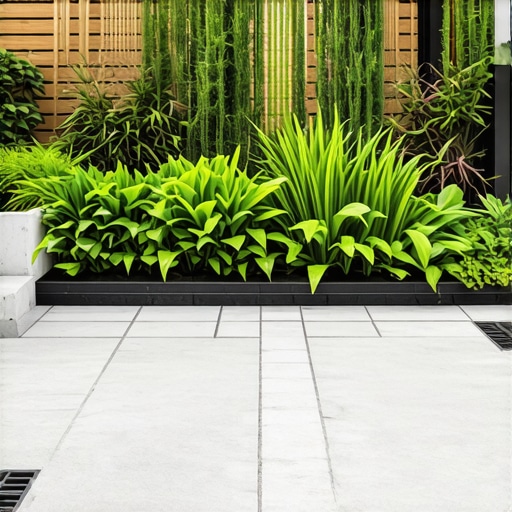
Permeable patios, crafted from porous materials like pervious concrete, interlocking pavers, or permeable asphalt, significantly mitigate urban runoff—reducing strain on local drainage infrastructures and minimizing flood risk. From an engineering perspective, these surfaces promote groundwater recharge and temperature regulation, enhancing the sustainability profile of home building endeavors. Incorporating such systems within residential landscapes indicates a strategic commitment to eco-friendly practices rooted in rigorous scientific research, such as those detailed in environmental engineering journals.
How Permeable Designs Influence the Evolving Landscape of Home Remodels
Existing homes are increasingly adopting permeable features during remodels, especially in areas where retrofitting can improve stormwater resilience. Additionally, home designs that prioritize permeable backyard zones contribute to healthier ecosystems and attract environmentally conscious homeowners. The integration of these surfaces complements contemporary home remodel trends emphasizing low-maintenance, eco-efficient outdoor spaces, and is well documented in industry case studies.
Expert Inquiry: What Are the Limitations of Permeable Materials in Diverse Climates?
Addressing the long-term performance and durability of permeable pavements across climatic zones remains an expert concern. In regions with heavy snowfall or prolonged freezing temperatures, permeable materials may face issues like clogging or reduced permeability. Evaluating the latest research, such as studies published in the Journal of Geotechnical and Geoenvironmental Engineering, can help developers select appropriate materials and innovative drainage solutions to mitigate these challenges.
Design Innovation in Roof and Home System Integration
Smart home building integrates permeable patios with advanced roofing and landscaping techniques, creating cohesive, climate-responsive environments. For instance, coupling permeable paving with green roofs or rain gardens enhances the multifunctionality of residential exteriors and exemplifies sustainable design principles. Exploring related concepts, like low-maintenance patio designs suitable for busy homeowners, can be valuable in comprehensive project planning, as discussed in detailed renovation guides.
Enhancing Building Resilience Through Material Selection and Site Planning
In 2026, the strategic selection of permeable materials will be essential to meet stricter environmental standards, reduce construction costs, and promote resilience against climate change. Combining these surfaces with advanced site planning techniques ensures optimal water flow management, reducing foundation risks and preserving landscape integrity. Such integrated approaches are fundamental to premium home designs and are supported by authoritative sources advocating eco-centric building practices.
Why Do Permeable Patios Outperform Traditional Surfaces in Urban Environments?
Permeable patio designs offer superior stormwater management, reduce urban heat island effects, and contribute positively to local aquifer recharge. Their ability to adapt to changing environmental policies makes them a preferred choice for new builds prioritizing sustainability.
For further insights into innovative outdoor designs, visit detailed guides on low-maintenance patios or explore expert opinions shared in industry forums. Additionally, engaging with professionals experienced in integrating permeable surfaces can provide tailored strategies for future projects.
Explore comprehensive resources on sustainable roofing and outdoor home expansions at RS Construction, and stay ahead in the evolving landscape of eco-friendly home construction.
Leveraging Cutting-Edge Materials for Enhanced Performance
As homeowners and builders seek sustainable yet durable outdoor solutions, the selection of advanced permeable materials becomes crucial. New formulations of porous concrete infused with biochar or recycled aggregate not only improve water permeability but also contribute to soil enrichment and carbon sequestration, aligning with eco-conscious trends in home construction. These innovations allow for longer-lasting patios that resist clogging and degradation, even in challenging climates, offering homeowners peace of mind and minimal maintenance requirements.
Integrating Smart Technologies with Permeable Surfaces
The evolution of smart home technology is revolutionizing outdoor design. Imagine permeable pavements embedded with sensors that monitor water flow, detect clogging, or trigger automated drainage adjustments—optimizing stormwater management in real-time. This integration enhances resilience, reduces maintenance costs, and provides data-driven insights for future landscape planning. Industry pioneers are already experimenting with such innovations, demonstrating their potential to redefine eco-friendly home exteriors in 2026.
Could Smart Permeable Surfaces Become Standard in Future Eco-Designs?
Incorporating intelligent systems within permeable patios not only offers operational advantages but also aligns with broader trends toward digitalization in construction. As systems become more affordable and reliable, their adoption could significantly improve long-term sustainability and performance, fostering a new age of adaptive outdoor environments.
To explore how these technologies are being implemented, consult expert analyses in environmental engineering journals and stay updated with detailed case studies available at industry-leading sources like RS Construction. Additionally, considering these innovations during your next home extension or remodel project can realize significant efficiencies and ecological benefits.
Want to learn more about innovative outdoor home upgrades? Check out our in-depth guides on modern patio designs and sustainable construction strategies, and connect with professionals who are pioneering these advancements.
Discover cost-saving home building tactics for 2026.
Harnessing Innovation: Adaptive Permeable Surfaces Redefining Sustainability
As the nexus of environmental consciousness and technological advancement intensifies, the development of adaptive permeable surfaces emerges as a game-changer. These next-generation materials, embedded with smart responsive properties, dynamically regulate their permeability in response to fluctuating environmental conditions such as rainfall intensity, temperature variations, or soil saturation levels. By integrating sensor networks and responsive materials, homeowners and builders can optimize stormwater management, prevent clogging, and extend surface longevity—delivering a seamless blend of efficiency and resilience.
Can Adaptive Materials Mitigate Climate-Related Challenges in Residential Construction?
Addressing climate variability, especially under the looming threats of increased rainfall or unexpected droughts, requires innovative solutions. Adaptive permeable systems, capable of adjusting their water passage rates, face the challenge of balancing permeability with structural integrity across diverse climates. Recent studies in the Journal of Sustainable Infrastructure highlight prototype field tests demonstrating success in urban settings prone to flooding and drought, emphasizing the critical role of material science and responsive design in future-proofing homes.
Moving Beyond Traditional Permeability: The Rise of Self-Healing Surfaces
Emerging research introduces self-healing permeable materials capable of repairing micro-cracks and clogging issues autonomously. Infused with microcapsules containing healing agents, these surfaces can extend installation lifespans significantly and reduce maintenance costs—critical features for residential projects aiming for minimal ecological footprint. The integration of such materials, detailed in recent environmental engineering breakthroughs, marks a paradigm shift in sustainable outdoor surface design, ensuring longevity amidst environmental stresses.
Overlaying Smart Water Management Systems on Permeable Frameworks
The convergence of data analytics and outdoor material technology manifests vividly in smart water management systems. These systems deploy IoT-enabled sensors across permeable pavements, providing real-time feedback on water flow, saturation levels, and surface degradation. By coupling these data streams with automated drainage controls, homeowners gain unprecedented control over their landscapes—minimizing runoff, preventing erosion, and ensuring compliance with stringent environmental standards. Implementing such integrated solutions, as exemplified by pilot programs in eco-conscious developments, exemplifies the future trajectory of adaptive home exterior systems.
How Will Digital Twins Transform Permeable Surface Maintenance and Performance?
Digital twin technology—virtual replicas of physical permeable structures—offers transformative potential for proactive maintenance and performance optimization. Continuous data acquisition and modeling enable predictive analytics, identifying potential failure points before they manifest and allowing preemptive interventions. Industry experts argue that integrating digital twins could revolutionize landscape management, particularly as urban developments demand higher standards of resilience and resource optimization. For an in-depth understanding, consult recent innovations documented in the Automation in Construction Journal.
As these groundbreaking approaches mature, engaging with specialists in materials science, environmental engineering, and IoT development becomes imperative for homeowners, architects, and builders committed to pushing the boundaries of sustainable design. Personalized consultations can identify which adaptive technologies align optimally with specific climate zones and landscape requirements, ensuring that every project not only complies with regulations but also sets new standards for ecological stewardship.
Unveiling the Next Evolution in Eco-Friendly Home Landscaping
The integration of adaptive permeable surfaces with intelligent systems embodies a paradigm shift in sustainable residential design, offering unprecedented control over water management and environmental resilience. Advanced materials capable of dynamically adjusting permeability in response to climatic stimuli are now transitioning from experimental phases into practical applications, signaling a new era of eco-conscious architecture.
Can Smart Materials Transform Conventional Outdoor Surfaces for Climate Adaptation?
Emerging innovations in smart material engineering suggest that permeable pavements embedded with micro-sensors can autonomously regulate their water passage rates, effectively mitigating the impacts of extreme weather events. These systems utilize real-time data analytics to optimize infiltration, reduce clogging, and extend surface durability. According to recent studies in the Journal of Sustainable Infrastructure, such responsive technologies are poised to redefine resilience standards for residential outdoor environments.
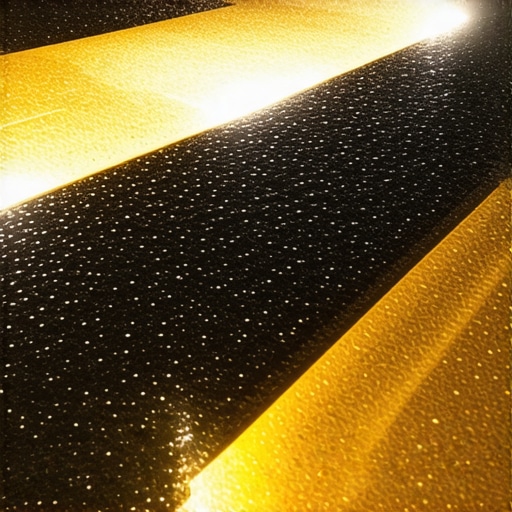
Description: A close-up of a permeable concrete surface embedded with tiny sensors and illuminated by integrated LED lights, demonstrating the fusion of smart technology with eco-friendly materials.
How Do Self-Healing Materials Equate to Long-Term Sustainability in Landscaping?
The advent of self-healing permeable surfaces incorporates microcapsules containing healing agents that activate upon crack formation or clogging, restoring permeability without manual intervention. These innovations significantly extend the lifespan of outdoor surfaces, reduce maintenance costs, and uphold environmental standards, aligning with the broader objective of sustainable and low-impact home design. Environmental engineering journals document successful implementations in regions prone to climate stress, emphasizing their transformative potential.
Description: Cross-sectional illustration of a permeable pavement showing microcapsules within the matrix initiating healing processes after minor cracks.
The rise of digital twins introduces proactive landscape management strategies
Digital twin technology—virtual models of permeable surfaces—enable predictive analysis for maintenance and performance optimization. By continuously mirroring real-world data, these models can forecast clogging, structural deterioration, or permeability shifts, allowing homeowners and managers to execute targeted interventions. As research in automation and IoT integration advances, adopting digital twins becomes instrumental in achieving resilient, sustainable outdoor spaces that adapt seamlessly to changing environmental conditions.
Description: A computer screen displaying a detailed 3D digital twin model of a permeable patio, with data overlays indicating moisture levels and system performance metrics.
Creating Synergy: Marrying Landscape Design with Climate-Responsive Infrastructure
Design strategies now extend beyond isolated solutions, emphasizing the holistic integration of permeable surfaces with green roofs, rain gardens, and advanced drainage systems. This synergy enhances stormwater management, bolsters ecological stability, and enriches aesthetic appeal. Incorporating these features necessitates comprehensive site analysis and innovative planning, leveraging GIS and environmental modeling tools to envisage future climate scenarios, ensuring your home landscape remains resilient amidst evolving climate patterns.
Interested in Pioneering Sustainable Outdoor Living?
Harnessing cutting-edge materials and smart technologies demands a strategic approach rooted in deep scientific understanding, innovative design, and practical implementation. Engaging with experts who specialize in adaptive permeable systems and eco-friendly landscaping can elevate your project from conventional to trailblazing. Explore the latest industry case studies, join professional forums, and consider consulting environmental engineers to craft outdoor solutions that not only meet current standards but also set new benchmarks for sustainability and resilience.
Expert Insights & Advanced Considerations
Embrace Multifunctional Materials
Utilizing smart, adaptive permeable materials can revolutionize outdoor spaces by dynamically responding to environmental stimuli, enhancing resilience and longevity of residential landscapes.
Prioritize Digital Integration for Longevity
Implementing digital twin technologies allows proactive maintenance, predictive performance analytics, and optimized stormwater management—pushing sustainability standards to new heights.
Innovate with Self-Healing Technologies
Adopting self-healing permeable surfaces minimizes long-term degradation, reduces maintenance costs, and supports environmental objectives by maintaining permeability despite environmental stresses.
Design with Climate Variability in Mind
Incorporating climate-responsive permeable systems ensures that residential exteriors adapt seamlessly across diverse climatic zones, mitigating climate-related challenges effectively.
Synergize Green Infrastructure
Holistic design integrating permeable surfaces with green roofs, rain gardens, and advanced drainage systems creates resilient, eco-friendly home landscapes that stand the test of evolving environmental conditions.
Curated Expert Resources
- Journal of Sustainable Infrastructure—Provides in-depth research and breakthroughs in smart, adaptive, and resilient permeable materials.
- Environmental Engineering Journals—Features case studies and innovations in green infrastructure applications for residential settings.
- Automation in Construction—Documents advances in digital twin technology and IoT integration within landscape management.
- RS Construction Blog—Offers practical insights and real-world applications of sustainable outdoor design and cost-effective building tactics.
- BuildingGreen—Delivers expert advice on eco-friendly materials, design strategies, and emerging technologies for residential construction.
Final Perspective from an Industry Veteran
In the realm of sustainable home building, the integration of permeable pavements with emerging intelligent systems stands as a testament to innovative resilience. These advanced permeable surfaces, coupled with digital tools like twins and self-healing materials, are shaping the future of eco-conscious residences. Recognizing that adaptability and proactive management are paramount, industry professionals who embrace these high-tech solutions position themselves at the forefront of impactful, resilient, and sustainable home construction. Engaging with expert resources and staying attuned to technological shifts will ensure your projects not only meet but exceed tomorrow’s standards. To stay ahead, connect with specialists, explore cutting-edge materials, and remain committed to continuous improvement in your sustainable building endeavors.
I found the emphasis on integrating smart, adaptive permeable surfaces particularly insightful. As someone who’s been exploring sustainable landscaping solutions, the idea of materials that dynamically respond to environmental conditions really resonates. It seems like a promising step toward making outdoor spaces more resilient, especially in areas prone to extreme weather. However, I wonder about the initial costs and the long-term maintenance involved with deploying such advanced technologies. Has anyone here had experience with installing these responsive systems, and what challenges did they face in terms of installation or upkeep? I believe that while high-tech solutions are exciting, understanding their practical aspects is crucial for wider adoption. Also, considering the rapid evolution of smart materials, what timeline do you see for these innovations becoming standard in residential projects? Would love to hear examples from others who are working on or considering integrating these cutting-edge systems into their landscape plans.
This post highlights an important shift in sustainable home construction, especially with permeable pavements becoming crucial for 2026 projects. I’ve worked on a few remodels where retrofitting existing driveways with permeable materials has significantly improved stormwater management, which benefits both the environment and property resilience. I find the research about smart, adaptive surfaces fascinating—especially their potential to dynamically respond to weather changes. However, cost and maintenance are real concerns, particularly in regions with severe winter weather where clogging might be an issue. Has anyone here experimented with self-healing permeable materials or digital twin systems for landscape management? It would be interesting to hear about practical experiences, especially how early adopters navigated initial costs and technical challenges. Looking ahead, I believe the timeline for these innovations to become mainstream depends on ongoing field testing and regulatory support, but their promise for reducing long-term maintenance makes them worth considering for future projects.