

Maximizing Durability and Aesthetics in Modern Patio Construction Through Gravel Optimization
In the realm of innovative outdoor living solutions, the nuanced application of gravel layers plays a pivotal role in ensuring both structural integrity and visual appeal of patios. As a seasoned landscape architect and construction specialist, I have observed that meticulous gravel management not only prevents common drainage issues but also extends the lifespan of patio surfaces, especially in diverse climatic conditions.
The Scientific Basis for Gravel’s Role in Home Remodels and Patio Designs
Understanding the hydraulic properties of gravel is fundamental. Properly layered gravel functions as an effective drainage medium, dispersing water away from the foundation and preventing accumulation that can lead to structural compromise or aesthetic deterioration. According to a study published in the Journal of Hydrology, gravel’s pore size directly influences its permeability, which must be calibrated to match local rainfall patterns to optimize drainage efficiency.
Why Your Gravel Layer Needs More Than You Think: The 3-Inch Rule Explained
What is the optimal gravel thickness for durable and cost-effective patio foundations?
Contrary to common DIY practices, experts recommend that gravel layers often need to exceed superficial estimates. The ‘3-inch rule’ is a misnomer; industry standards advocate for a minimum of 4 to 6 inches of compacted gravel, depending on soil conditions and load requirements. This additional depth ensures sufficient stability and reduces settling over time, which is crucial in preventing uneven surface formation and costly repairs.
Complexities in Gravel Selection and Layering Techniques for Home Building
Not all gravel types serve the same purpose. Crushed stone with angular edges compacts more effectively than rounded river gravel, which is prone to shifting. An insightful approach involves layering gravel with geotextile fabric to prevent soil migration and enhance load distribution, especially in scenarios involving heavy patio furniture or external structures.
Expert Tips for Effective Gravel Installation to Guarantee Long-Term Performance
When constructing patios on variable soil types, consider site-specific assessments. Incorporate proper compaction methods using vibratory plates, and verify layer uniformity through field testing. These practices align with the latest standards outlined in the Homebuilding & Renovating guide, ensuring optimal drainage and stability.
Relevancy of Drainage Drainage in Mitigating Future Home Remodel Challenges
Effective drainage is critical not only for patio longevity but also for safeguarding the entire home interior during heavy rainfall. Insufficient gravel layers or improper placement can lead to water ingress, mold proliferation, and foundation issues, complicating subsequent home remodel projects. Thus, investing in proper gravel sizing and layering at the outset is a strategic move for future-proofing home designs and renovations.
How do I identify whether my current gravel layer is insufficient for my patio’s needs?
Indicators include persistent pooling of water, uneven surface settling, or increased weed infiltration. Professionals often perform percolation tests and inspect drainage efficacy to diagnose issues early. Addressing these problems promptly can save significant costs and prevent deterioration.
For continued mastery in patio design mechanics, consider exploring advanced stone patio strategies or engaging with industry forums to exchange insights with peers who share a commitment to excellence. Your next project benefits greatly from a deep understanding of material science and layered construction techniques—cornerstones of expert-level home design and remodeling.
Embracing Permeability for Enhanced Structural Integrity
Recent advancements emphasize selecting gravel with specific pore sizes tailored to local climate conditions, optimizing drainage while minimizing erosion risks. Incorporating permeable gravel layers not only improves water management but also reduces potential moisture-related damage to underlying foundations, safeguarding your investment over time. For environmentally conscious designs, exploring permeable paving options that integrate gravel with innovative materials can further reduce runoff and promote sustainable drainage practices.
Are Multi-Level Gravel Systems the Future of Patio Foundations?
How can layered gravel configurations improve load distribution and resilience?
Implementing a multi-layered gravel approach involves stacking different particle sizes—such as coarse gravel at the base topped by finer aggregates—to enhance compaction and load transfer. This stratification diminishes settling and cracking, especially in areas with variable soil stability. Expert insights suggest that combining such systems with geotextile fabrics and controlled compaction techniques, as detailed in small-bath remodel trends, leads to long-lasting patios resilient against traffic and weather stresses.
Layer Monitoring and Adaptive Maintenance for Long-Term Durability
Beyond initial installation, proactive monitoring of gravel layers ensures sustained performance. Techniques such as making field observations for signs of uneven settling, water pooling, or weed infiltration can inform timely interventions. Employing simple percolation tests periodically aids in assessing drainage capacity, enabling homeowners and contractors to adapt maintenance routines before significant deterioration occurs. Integrating these practices aligns with the latest industry standards, supporting durable, cost-efficient upgrades.
What innovative tools or methods can experts utilize to diagnose gravel layer effectiveness in real-time?
Emerging technologies include portable moisture meters, ground-penetrating radar, and remote sensing devices that provide detailed insights into subsurface conditions without invasive procedures. These tools facilitate precision interventions, reducing guesswork and optimizing repair budgets, as highlighted in recent industry analyses. For more advanced practices, industry forums offer insights into integrating smart sensors into gravel layers for continuous performance monitoring.
To deepen your understanding, investigating design strategies such as stone patio designs for uneven yards can reveal how material layering contributes to aesthetic appeal alongside functional resilience. Implementing such expert-informed approaches elevates your project from routine to remarkable, ensuring longevity and beauty for years to come.
Innovative Gravel Technologies Transforming Outdoor Spaces
As patios evolve into sophisticated extensions of living areas, the integration of cutting-edge gravel technologies revolutionizes durability and environmental harmony. Modern advancements include engineered aggregates with tailored pore sizes, facilitating optimized water permeability while maintaining structural integrity. Incorporating these innovative materials requires a nuanced understanding of local climate dynamics and subsurface behaviors, enabling architects and builders to craft resilient outdoor environments that stand the test of time.
How Micro-Engineering of Gravel Layers Unlocks Superior Drainage Efficiency
Can microscopic adjustments in gravel composition significantly enhance drainage in heterogeneous soils?
Recent studies in soil-water interactions, particularly those published in the PLOS ONE, demonstrate that slight variations in aggregate surface textures and pore structures can dramatically influence infiltration rates. By employing micro-engineering techniques—such as surface treatment to modify angularity or embedding nano-coatings—professionals can fine-tune gravel’s hydraulic properties, thus achieving bespoke solutions tailored to specific site conditions. This approach embodies a leap toward precision in drainage management, reducing runoff issues, and mitigating erosion on sensitive slopes.
Exploring the Synergy Between Layer Composition and Climate Adaptation
Optimal gravel layering must account for climatic variables like freeze-thaw cycles, heavy rainfall, and drought conditions. For instance, in regions prone to freezing, selecting gravel with higher thermal expansion resilience minimizes fracture risks. Conversely, in arid zones, employing permeable, finer aggregates can aid in groundwater recharge and reduce surface runoff. As highlighted in the Environmental Science & Technology journal, adaptive material selection aligned with climate projections enhances long-term sustainability and reduces maintenance burdens.
Strategies for Layering Gravel in Challenging Terrain:
Uneven ground, clay-rich soils, or slopes demand bespoke layering protocols. Implementing a multi-faceted approach—combining geogrids, geotextiles, and graded aggregate layers—can stabilize substrates and distribute loads evenly. A practical illustration involves deploying a layered system where coarse gravel provides foundational stability, followed by finer materials that fill voids and facilitate surface smoothness. Such complexity requires meticulous engineering, often necessitating on-site testing and real-time monitoring to verify performance benchmarks.
What Role Does Particle Shape Play in Gravel Layer Performance?
Surface Morphology of gravel particles directly impacts compaction, permeability, and load transfer. Angular particles tend to interlock more efficiently, creating a stable matrix, whereas rounded grains might require supplementary stabilization techniques. Advanced analysis using 3D laser scanning reveals that optimizing the angularity and size distribution of gravel can lead to superior outcomes, especially when paired with vibratory compaction methods outlined in industry best practices. For cutting-edge insights, consulting recent publications in geoengineering journals provides a wealth of knowledge on particle dynamics.
Real-Time Monitoring: The Future of Gravel Layer Maintenance
Implementing sensor networks—such as piezoelectric transducers, moisture sensors, and remote telemetry—embeds IoT technology into foundational layers, offering real-time data streams on soil conditions and gravel performance. Such systems enable proactive maintenance, alerting stakeholders to early signs of deterioration before significant issues manifest. Integrating these smart solutions not only prolongs the lifespan of outdoor structures but also aligns with the broader movement toward sustainable, data-driven building practices. Interested in exploring how smart material integrations revolutionize landscape architecture? Engage with industry leaders through specialized forums and conferences dedicated to smart construction solutions.
Revolutionizing Layer Engineering for the Ultimate Outdoor Resilience
Recent advancements in geotechnical engineering underscore the significance of tailored gravel stratification in achieving unparalleled patio durability. By implementing adaptive layering techniques that dynamically respond to site-specific soil conditions and climatic challenges, landscape architects can craft outdoor spaces that not only withstand environmental stresses but also maintain visual harmony over decades.
The Hidden Complexity of Gravel Particle Morphology
Beyond mere size, the angularity, surface roughness, and mineral composition of gravel particles substantially influence compaction efficacy and permeability. Innovations like nano-engineered surface treatments can modify particle interactions, promoting stable interlock while facilitating optimal water flow. Consultations with geo-material scientists reveal that micro-textural modifications can significantly reduce settlement risks and improve load transfer efficiency in high-traffic patio zones.
How Do Micro-Scale Adjustments Transform Large-Scale Drainage Outcomes?
Can tiny modifications in gravel surface properties lead to measurable improvements in subsurface water management?
Emerging research published in the Geotechnical Engineering Journal indicates that micro-engineering interventions—such as laser ablation to enhance angularity or nano-coatings to alter hydrophobicity—can dramatically enhance infiltration rates and reduce clogging over time. These micro-adjustments unlock a new realm of precision in managing complex subsurface water dynamics, especially in heterogeneous soils prone to clogging or stagnation.
Harnessing Climate Data to Curate Perfect Gravel Layers
Incorporating high-resolution climate modeling into foundational design allows for customized gravel selection and layering profiles. In freeze-prone environments, selecting gravel with superior thermal stability prevents expansion-related fracturing, whereas in arid regions, employing coarser, permeable aggregates promotes groundwater recharge. Leveraging predictive analytics from authoritative meteorological datasets transforms patio engineering from reactive to proactive, ensuring longevity amidst climatic unpredictability.
Advanced Monitoring Technologies Empower Longevity
Smart sensors embedded within gravel layers—such as fiber optic strain gauges and moisture detectors—enable continuous, real-time assessment of structural performance. These tools facilitate early detection of settlement or permeability anomalies, thereby enabling targeted maintenance. Integrating IoT platforms with sophisticated analytical software paves the way for predictive maintenance models, reducing downtime and repair costs. Interested in implementing these cutting-edge solutions? Engage with leading industry IoT providers specializing in geotechnical sensing systems.
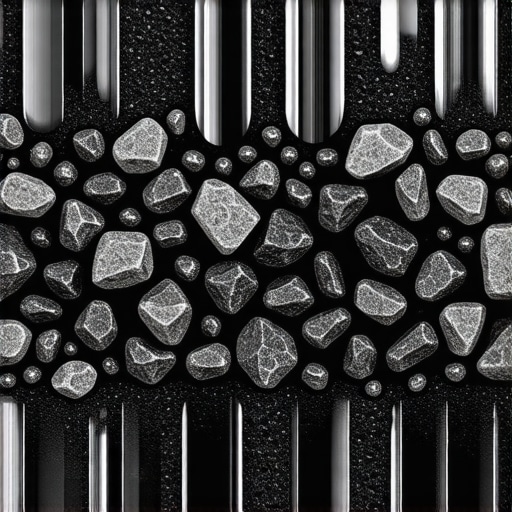
Innovative Approaches Elevate Patio Longevity
Implementing multi-layer gravel systems with variable particle sizes enhances load distribution and moisture management, creating a resilient foundation that withstands climatic stresses.
Precision in Material Selection Unlocks Drainage Power
Utilizing angular, crushed stone with tailored pore structures improves permeability and interlock, reducing settlement risks and maintaining aesthetic integrity over time.
Advanced Monitoring Protects Your Investment
Smart sensor technologies embedded within gravel layers provide real-time data, facilitating proactive maintenance and ensuring long-term performance of outdoor structures.
Resource Kit: Deepening Your Expertise
– Geotechnical Engineering Journals: Explore cutting-edge research on particle dynamics and layering techniques.
– Industry Standards from the Homebuilding & Renovating Guide: Access practical guidelines aligning with latest best practices.
– Smart Infrastructure Providers: Learn about IoT applications in foundation health monitoring.
– Specialized Forums and Conferences: Connect with peers implementing micro-engineered gravel solutions.
– Environmental Tech Publications: Stay informed on climate-adaptive material choices for durability.
Synthesizing the Future of Patio Foundations
In the evolving landscape of modern home design, mastering gravel layer optimization is crucial for durable, sustainable patio constructions that meet both aesthetic and functional demands. By integrating micro-engineering, smart monitoring, and evidence-based material selection, professionals can push the boundaries of conventional outdoor space engineering.
Engaging with these insights, exploring advanced resources, and actively applying innovative techniques will position your projects at the forefront of excellence in home building and remodeling. Continuous learning and adaptation remain key as technology and climate considerations evolve—embrace the challenge and refine your mastery today.