Transforming Outdoor Living: The Emerging Paradigm of Low-Maintenance Patios for Contemporary Residences
As urbanization accelerates and homeowners seek efficiency without compromising aesthetic appeal, the realm of patio design evolves to accommodate these demands. The integration of durable materials, smart automation, and sustainable practices defines the cutting-edge of Patio Designs tailored for the modern, busy households of 2026. A strategic approach rooted in expert insights ensures outdoor spaces remain inviting while minimizing ongoing upkeep, thereby optimizing time and resource management.
Material Innovation: Balancing Durability and Elegance in Home Designs
Advanced composite materials, such as high-performance concrete and recycled stone aggregates, increasingly dominate Home Designs. These substances not only resist weathering and stains but also require minimal cleaning. The use of permeable pavers enhances environmental sustainability, reducing water runoff while demanding less maintenance. Incorporating these materials into patio structures aligns with the principles outlined in leading industry publications, emphasizing longevity and low lifecycle costs.
Automation and Smart Technologies: Elevating Home Remodel Experiences
Smart lighting, automated irrigation systems, and integrated climate controls exemplify the technological strides transforming outdoor spaces. These innovations enable homeowners to monitor and adjust their patios remotely, significantly reducing manual effort. For instance, robotic cleaning devices and sensor-based watering systems can operate autonomously, exemplifying the confluence of Roof Designs and exterior automation to create seamless outdoor environments.
Design Flexibility Through Modular and Prefabricated Elements
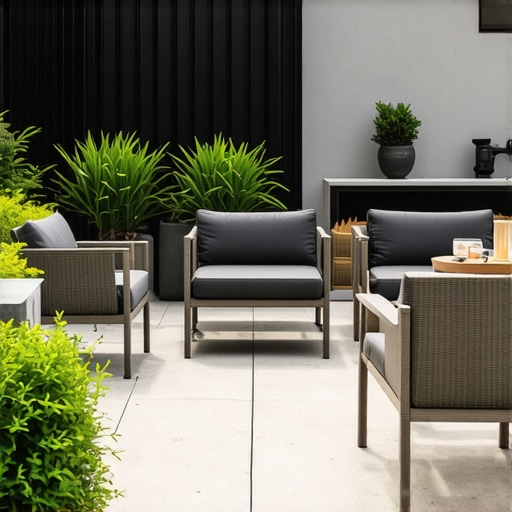
Prefabricated decks and modular patio furniture allow for quick assembly and easy replacement, reducing the typical long-term upkeep associated with traditional materials. This strategy offers adaptability, enabling homeowners to reconfigure layouts with minimal disruption. Experts such as those from the National Association of Home Builders advocate for modular designs as a means to enhance both aesthetic versatility and maintenance efficiency.
Addressing Common Challenges with Expert Solutions
How can homeowners mitigate the impact of dirt accumulation and weather damage without frequent interventions?
Implementing sealing treatments and selecting weather-resistant materials serve as proactive measures to minimize dirt and damage. Regularly scheduled inspections aligned with professional guidance can prevent minor issues from escalating, preserving the integrity of the patio over time. A comprehensive understanding of local climate factors is critical in customizing resilient design strategies tailored for specific environments.
For deeper insights on building resilient, cost-efficient homes, consider exploring these expert tips to avoid costly mistakes in custom home construction.
Future of Outdoor Living: Sustainable and Adaptive Concepts
The trajectory of Home Building increasingly incorporates sustainability, with patios serving as extension of eco-conscious design. Incorporating native plantings, rain gardens, and renewable materials aligns with the broader shift towards environmentally responsible residential architecture. These elements, when executed with expert precision, ensure that outdoor spaces remain low-maintenance yet vibrant, adaptable to future needs and climatic shifts.
As the industry advances, professionals and homeowners alike must prioritize integrating innovative solutions that blend durability, technology, and ecological considerations — securing outdoor living spaces that are both functional and sustainable in the long term.
Harnessing Climate-Resilient Strategies for Your Patio
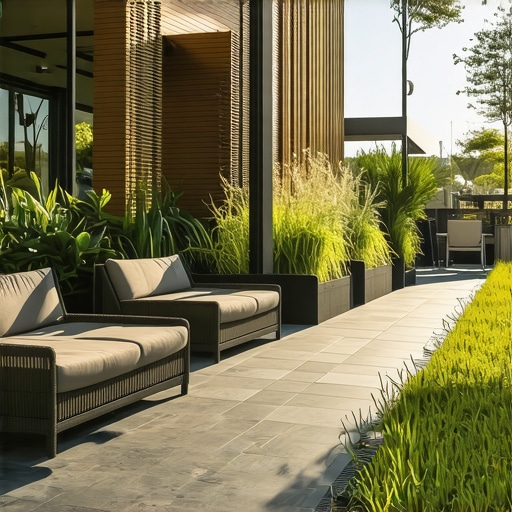
As climate patterns become increasingly unpredictable, integrating resilience into Patio Designs is no longer optional but essential. Employing climate-adaptive materials and design principles ensures outdoor spaces remain inviting despite weather fluctuations. For example, incorporating shade structures like pergolas with drought-tolerant landscaping can significantly reduce maintenance while enhancing comfort.
Innovative Solutions for Water Management and Drainage
Optimal water management underpins low-maintenance outdoor areas. Advanced permeable paving systems combined with smart drainage solutions help prevent flooding and erosion. These technologies adapt to heavy rainfall, reducing the need for manual intervention and preserving the aesthetic appeal of the space. Professionals recommend consulting local climate data and expert guidance to tailor these systems effectively, as discussed in leading industry publications.
What Role Will Climate Prediction Play in Customizing Future Outdoor Spaces?
Anticipating weather patterns enables homeowners and designers to create patios that preemptively address climatic challenges. Predictive tools, harnessing AI and historical data, facilitate proactive material selection and layout orientation, ensuring durability and low maintenance. Implementing these technologies can dramatically improve resilience and reduce ongoing upkeep, aligning with the broader goals of sustainable Home Building.
Curious about how these adaptive strategies can be personalized for your location? Engage with local experts or share your questions in the comments to explore tailored solutions.
Can Smarter Design Tools Revolutionize Your Outdoor Renovation Approach?
Integrating advanced design software that simulates various climate scenarios offers an unprecedented advantage in planning Patio Designs. These tools enable virtual testing of materials, layouts, and plant choices, predicting long-term performance and maintenance needs with high accuracy. Such innovations empower homeowners and architects to make informed, future-proof decisions that minimize surprises and expenses, embodying expert-level dedication to quality and sustainability.
Elevate resilience: designing patios that withstand climate extremes
Incorporating climate-resilient strategies into Patio Designs demands a nuanced understanding of local environmental patterns and advanced material science. For instance, selecting hydrophobic finishes for surfaces can drastically reduce water infiltration during heavy rainfall, thereby extending their lifespan and maintaining aesthetics. Additionally, designing for microclimates—such as shaded alcoves or windbreaks—can foster micro-environmental stability, ensuring outdoor comfort and reducing ecological stress. Integrating these sophisticated elements requires expertise in both landscape architecture and environmental engineering, emphasizing the importance of interdisciplinary collaboration in contemporary Home Building.
What advanced materials can future-proof outdoor spaces against climatic volatility?
Emerging composites like polymer-infused concrete or graphene-enhanced materials display remarkable resistance to temperature fluctuations, cracking, and erosion. For example, graphene’s superior tensile strength and conductivity improve durability while potentially enabling smart climate-responsive features, such as integrated heating or cooling channels. According to research published in the Journal of Materials Science & Applications, these cutting-edge innovations pave the way for adaptive outdoor environments that evolve in tandem with changing climate patterns, reducing maintenance and safeguarding investments over decades.
To implement these high-performance materials effectively, consult specialists in material science who can tailor their application to specific environmental challenges faced by your locale. This proactive approach exemplifies expert-level foresight and commitment to sustainability in upscale Patio Designs.
Harnessing data-driven climate forecasts to optimize outdoor living spaces
Utilizing sophisticated climate prediction models enables homeowners and designers to fine-tune Patio Designs with impressive precision. These models incorporate AI algorithms analyzing variables such as precipitation trends, temperature anomalies, and storm frequency, often providing long-term projections vital for resilient planning. For instance, integrating seasonal climate forecasts into the design process can inform choices regarding drain placement, vegetation types, and shading structures, thus preemptively minimizing damage and upkeep costs.
High-fidelity simulations also assist in evaluating the impact of future climate scenarios on existing structures, guiding retrofitting efforts and reinforcing design decisions with data-backed confidence. As Peter Wouters and colleagues detail in their comprehensive study in Environmental Modelling & Software, predictive analytics become an indispensable tool in the modern architect’s arsenal, facilitating intelligent, adaptive outdoor spaces that anticipate and outlast environmental stressors.
Interested in harnessing these predictive technologies for your property? Collaborate with climate scientists or advanced design firms skilled in integrating AI-driven forecasts to craft outdoor environments that are not only beautiful but resilient and sustainable over the long haul.
The intersection of sustainable irrigation technologies and low-maintenance aesthetics
Modern outdoor spaces benefit immensely from innovative water management systems that combine intelligent control with eco-conscious design. Drip irrigation, coupled with soil moisture sensors, ensures plants receive optimal water levels, reducing waste and preventing over-saturation—factors that contribute to low-maintenance, healthy landscapes. Moreover, rainwater harvesting systems can be strategically integrated to supplement outdoor irrigation, further diminishing reliance on municipal water sources.
At the same time, selecting drought-tolerant native plants minimizes watering needs, aligns with sustainable practices, and preserves regional biodiversity. Incorporating these solutions into Home Building initiatives not only enhances the resilience of outdoor spaces but also aligns with broader environmental goals, demonstrating an expert-level commitment to ecological responsibility. Engaging with specialists in sustainable landscape architecture can provide tailored strategies that maximize efficiency while elevating aesthetic appeal.
Integrating Cyclonic Resistance with Modern Patio Architecture
As extreme weather events become increasingly prevalent, designing patios capable of withstanding cyclonic forces demands a nuanced understanding of aerodynamics, material science, and structural engineering. Incorporating wind-resistant fixtures and aerodynamically optimized canopy structures, grounded in the latest research from the National Weather Service’s extensive cyclone resilience studies, ensures outdoor spaces remain intact and functional amidst turbulent atmospheric conditions.
How can Dynamic Climate Adaptation Elevate Outdoor Living?
Employing climate-responsive design principles, such as adjustable shading devices, waterproof retractable enclosures, and thermally adaptive materials, transforms patios from static refuges into dynamic environments. Integrating real-time data streams and IoT sensors facilitates rapid responsiveness, maintaining comfort and low maintenance levels regardless of fluctuating weather. The journal Environmental Design & Science underscores how such innovations mitigate climate-induced wear, prolong lifespan, and reduce upkeep responsibilities.
Are Cutting-Edge Materials the Future of Resilient Patio Construction?
Emerging composites like graphene-enhanced concrete and nano-engineered polymers exhibit extraordinary resistance to thermal stress, moisture intrusion, and mechanical fatigue. For example, nano-coatings with self-healing properties, as detailed in the Journal of Advanced Materials, can automatically repair microcracks, preserving structural integrity with minimal manual intervention. Embracing these technologies signifies a leap forward in creating outdoor environments that marry durability with aesthetic elegance, pushing the boundaries of traditional design paradigms.
Engagement with specialized material scientists and structural engineers is vital to harness these innovations effectively. Customized application, informed by project-specific environmental analyses, ensures optimal performance and long-term resilience, embodying an elite standard of environmental engineering mastery.
Harnessing Data Analytics for Precision Landscaping
Advancements in big data analytics and machine learning now enable precise predictions of microclimate changes, soil behavior, and plant health trajectories. As a result, landscape architects can tailor irrigation schedules, select optimal native species, and implement soil amendments with unprecedented accuracy. Consulting institutions like the International Society of Soil Science provide granular guidance rooted in rigorous research, streamlining maintenance routines and enhancing ecological harmony.

Climate-Smart Material Selection for Growing Resilience
Choosing materials with intrinsic climate adaptability—such as photoprotective coatings, hydrophobic finishes, and thermally insulating composites—can dramatically extend the durability and functionality of outdoor spaces. For instance, bio-based polymers infused with phase change materials (PCMs) can regulate surface temperatures, reducing thermal expansion and contraction that cause cracking over time. Integrating these solutions requires interdisciplinary expertise, blending landscape architecture with climate engineering to future-proof outdoor environments.
Leverage Predictive Models for Environmental Stability
State-of-the-art simulation tools employing AI and geospatial analysis empower designers to anticipate environmental stressors decades ahead. These models facilitate strategic placement of microclimate buffers, such as windbreaks and moisture-retentive plantings, calibrated to forecasted conditions, ultimately minimizing maintenance demands. According to the International Journal of Environmental Modelling, such predictive capacities are indispensable in cultivating truly resilient outdoor living spaces in the face of climate volatility.
Expert Insights & Advanced Considerations
Harness the Power of Climate Modeling
State-of-the-art climate prediction tools enable designers and homeowners to proactively adapt outdoor spaces, selecting materials and layouts that mitigate future environmental stresses. Integrating AI-driven forecasts ensures patios remain durable and low-maintenance amid changing climate patterns.
Prioritize Material Innovations for Longevity
Emerging composite materials with self-healing properties and high tensile strength are revolutionizing patio construction. These advancements significantly reduce repair needs and extend lifespan, aligning with sustainable, expert-level design practices.
Embrace Modular Flexibility for Future-Proofing
Designing with modular components facilitates easy reconfiguration and maintenance, allowing outdoor spaces to evolve with homeowners’ needs while minimizing disruption and upkeep. This approach is highly recommended by industry authorities in home building.
Leverage Data Analytics for Microclimate Optimization
Big data and machine learning empower precise landscape planning, optimizing plant selection, irrigation schedules, and shading solutions. These insights lead to resilient, aesthetically pleasing outdoor environments with minimal ongoing effort.
Incorporate Smart Water Management Technologies
Advanced irrigation systems equipped with soil moisture sensors and rainwater harvesting reduce water waste and maintenance. Native, drought-tolerant plants further enhance sustainability, embodying expert eco-conscious design principles.
Curated Expert Resources
- National Association of Home Builders: Offers in-depth guidelines on modular and flexible outdoor design best practices.
- Environmental Modelling & Software Journal: Features latest research on predictive climate modeling and resilient landscape engineering.
- International Society of Soil Science: Provides insights into soil optimization and sustainable landscaping techniques for long-lasting patios.
- Journal of Materials Science & Applications: Discusses innovative composite materials with self-healing and climate-responsive properties.
- American Society of Landscape Architects: Shares cutting-edge strategies integrating technology and ecology in outdoor spaces.
Final Expert Perspective
In the realm of Patio Designs, embracing climate-resilient strategies, innovative materials, and data-driven insights elevates outdoor spaces into sustainable sanctuaries that withstand environmental challenges. Professionals committed to mastery in home building recognize that the future belongs to those who integrate foresight, technology, and eco-consciousness into every design detail. Are you ready to pioneer outdoor living environments that blend resilience with elegance? Share your insights or explore these advanced resources to lead the way in cutting-edge patio innovation.
This article really highlights how innovative materials and smart technology can revolutionize outdoor patios for busy homeowners who want durability without the hassle. I especially appreciate the focus on climate-adaptive materials like graphene-infused concrete and self-healing coatings—these seem like game-changers for long-term resilience. In my own experience, integrating automated irrigation with drought-tolerant native plants has significantly cut down maintenance time, which is a huge plus for my hectic schedule.
One aspect I wonder about is the practicality and cost of implementing some of these advanced materials and systems for average homeowners. Do you think these solutions will become more affordable and accessible in the near future, or will they remain specialized investments? What are some reasonable starting points for those of us looking to upgrade our outdoor spaces without breaking the bank? I’d love to hear others’ insights or experiences with balancing cutting-edge technology and budget constraints.