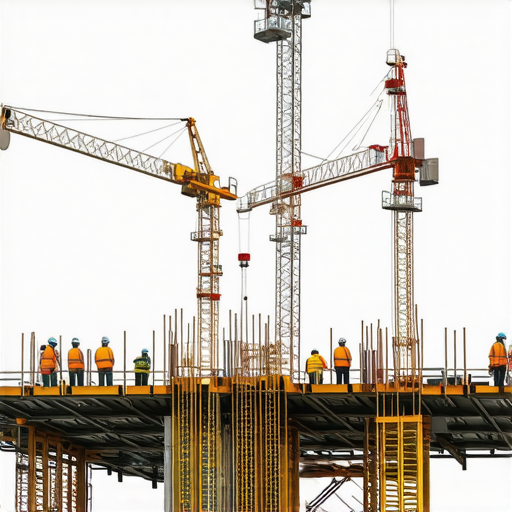

In the realm of residential architecture and construction, precise cost estimation remains a formidable challenge, often leading homeowners and professionals astray. While initial estimates serve as a financial blueprint, various intricate factors can cause project expenses to diverge significantly from forecasted budgets. Drawing from extensive industry experience, this analysis delves into the systemic causes of cost overruns in home designs, roof structures, and remodeling projects, emphasizing the critical importance of comprehensive planning and advanced diagnosis.
Why Do Home and Roof Design Costs Surge Beyond Predictions?
At the core, underestimated scope, unanticipated material price fluctuations, and unforeseen site conditions contribute to the discrepancy. In particular, the adoption of innovative roofing materials such as fire-resistant or storm-proof designs, while enhancing safety and durability, can introduce complexity that inflates project timelines and budgets.
How Can Advanced Pre-Construction Assessments Mitigate Cost Overruns?
Implementing detailed site evaluations, including structural assessments and material feasibility studies, ensures that potential issues are identified early. This proactive approach allows for refined cost projections, reducing the likelihood of budget blowouts. For example, employing techniques from proven white papers, such as those discussing permeability in patio designs or fire-resistance in roofing, enhances accuracy and project resilience.
The Role of Material Selection in Budget Management
Choosing materials like metal roofing or engineered stone patios not only impacts aesthetic value but also influences long-term maintenance and insurance costs. Notably, recent studies highlight that fire-resistant and storm-proof materials can significantly lower insurance premiums, as evidenced in white papers from the National Fire Protection Association. Such investments, although initial higher, yield savings over the home’s lifespan by reducing repair and insurance expenses.
Addressing the Challenge of Hidden Costs in Home Remodeling
Remodeling projects frequently encounter unanticipated expenses stemming from outdated wiring, undocumented structural modifications, or evolving building codes. Advanced planning, including detailed inspections and leveraging modern evaluation tools, can pinpoint these issues before they escalate, leading to more accurate budgets and timely completion.
What Are the Best Strategies for Aligning Project Expectations with Actual Costs?
Transparent communication, detailed contractual scopes, and contingency allocations form the backbone of effective project management. Incorporating expert insights and real-time cost tracking ensures that deviations are swiftly addressed, safeguarding both the project timeline and financial health.
In conclusion, understanding the layered complexity of home construction costs underscores the need for expert analysis and strategic planning. For homeowners seeking to optimize investment and safety, exploring innovative design strategies—such as energy-efficient roofing, permeable patios, and smart remodeling techniques—can make the difference between a costly mistake and a prudent, value-adding investment. Embrace continual learning and professional consultation to stay ahead in this dynamic field.
Discover the benefits of permeable patio designs— a crucial aspect of modern, sustainable home development. For seasoned professionals eager to deepen their expertise or share insights, contributing to this evolving conversation can shape future practices, ensuring costs remain predictable amidst market volatilities.
Transforming Cost Management with Smart Building Strategies
Adopting innovative building techniques, such as modular construction and off-site prefabrication, significantly enhances cost predictability. These methods reduce material waste and labor unpredictability, ensuring tighter control over project expenditures. For instance, integrating prefabricated components allows for meticulous quality assurance and streamlined assembly, which can ultimately lower overall costs and construction timelines.
Identifying Hidden Costs Through Cutting-Edge Diagnostic Tools
When aiming to prevent budget overruns, modern diagnostic technologies like thermal imaging and drone inspections offer invaluable insights. These tools can detect concealed issues—including insulation gaps, moisture intrusions, or structural anomalies—that may lead to expensive repairs during or after construction. Employing such advanced assessments aligns with the industry’s shift towards data-driven decision-making, echoing insights from recent white papers highlighting the importance of early problem detection in project planning.
Could Integrating Artificial Intelligence Enhance Budget Accuracy?
Emerging AI-driven estimation platforms analyze vast datasets—covering material costs, labor rates, and market trends—to provide highly accurate preliminary budgets. These systems also adapt in real time to price fluctuations, offering dynamic forecasts that help project managers make informed decisions and avoid unforeseen expenses. Considering the rapid pace of material pricing changes, especially in storm-proof and fire-resistant roofing materials, leveraging AI could be a game-changer for future-proofing budgets.
For those wishing to deepen their understanding of cost optimization techniques, exploring the latest resources on smart construction processes and materials is invaluable. Stay informed on the cutting-edge innovations by visiting trusted sources like the National Institute of Building Sciences and contributing your insights to ongoing discussions in construction forums.
Remember, meticulous planning and technological integration are not just trends—they are essential strategies to keep your building projects financially sustainable in 2026 and beyond. Discover more about how to make your next project resilient and cost-efficient by visiting this comprehensive guide to permeable patio designs.
Revolutionizing Cost Control: The Power of Digital Twins in Construction
One of the most groundbreaking advancements in modern construction management is the integration of digital twin technology. By creating a dynamic virtual replica of the real-world project, stakeholders gain unprecedented visibility into every facet of the build process. This immersive approach allows for real-time monitoring, predictive analysis, and proactive adjustments, significantly reducing the risk of cost overruns. For instance, utilizing a digital twin to simulate material flow and equipment usage can highlight potential bottlenecks or inefficiencies before they manifest physically, enabling timely interventions.
How do digital twins facilitate precise budget forecasting in complex projects?
Digital twins synthesize data from drones, sensors, and IoT devices, providing a continuous stream of insights that inform accurate cost estimates. As construction progresses, discrepancies between planned and actual parameters become evident, allowing project managers to recalibrate budgets with high fidelity. This adaptability minimizes waste, enhances resource allocation, and optimizes project timelines, aligning expenses closely with initial estimates. According to a comprehensive report from McKinsey & Company, integrating digital twin technology can improve predictive accuracy by up to 25%, translating into substantial savings over project lifecycles.
Advanced Diagnostic Tools: Preemptive Damage Detection and Cost Savings
Extending beyond traditional inspection methods, cutting-edge diagnostic tools like ground-penetrating radar (GPR) and acoustic emission monitoring enable early detection of structural anomalies, subsurface issues, and material degradation. In the context of home remodeling, these technologies assist in identifying hidden defects—such as concealed rot or latent moisture infiltration—that could otherwise escalate repair costs if discovered late.
By deploying GPR during pre-construction assessments, professionals can visualize subsurface conditions without invasive excavation, informing more accurate scope and budget planning. Similarly, acoustic sensors track stress and fatigue within structural elements, predicting failure points before catastrophic collapse or expensive repairs occur. Embracing these tools exemplifies a proactive approach, converting potential liabilities into manageable variables within the planning framework.
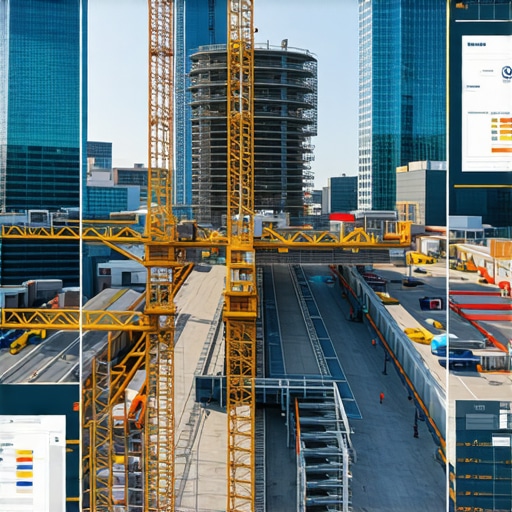
Illustration of ground-penetrating radar scanning subterranean structures beneath a residential property, highlighting advanced diagnostic capabilities.
The Emerging Role of Artificial Intelligence in Dynamic Cost Management
Artificial Intelligence (AI) is increasingly transforming how project costs are predicted, monitored, and controlled. Sophisticated algorithms analyze vast datasets encompassing market trends, supplier pricing histories, and labor productivity metrics to produce highly refined estimates. During construction, AI-powered platforms can flag deviations from budgets in real time, suggest corrective actions, and adapt to fluctuating material costs—crucial for storm-proof or fire-resistant roofing materials sensitive to market volatility.
Moreover, AI-driven scheduling tools optimize sequencing and resource deployment, preventing overruns caused by delays or misallocations. For example, by anticipating supply chain disruptions through pattern recognition, AI enables contingency planning that conserves financial margins. As cited by the National Institute of Standards and Technology (NIST), these intelligent systems are pivotal in achieving cost resilience and operational excellence in contemporary construction projects.
For professionals and informed homeowners alike, understanding and adopting AI-based estimation and management tools is essential in navigating the increasingly complex landscape of construction costs, especially when integrating innovative building materials and techniques.
Connecting to the Future: Building Sustainable Cost Strategies with Data-Driven Insights
Advancements in cost management are not solely about immediate savings but also about fostering sustainable practices. By harnessing data analytics and machine learning, construction professionals can develop predictive models that incorporate environmental impact assessments, lifecycle costs, and resilience factors. For instance, choosing fire-resistant materials that reduce insurance premiums could be further justified through lifecycle cost analysis, reinforcing the value of early investment.
Educating stakeholders about these sophisticated strategies ensures alignment and commitment to transparent, data-informed decision-making. As the industry moves toward greater adoption of such technologies, ongoing research and case studies—like those from the Building Research Council—highlight the tangible benefits of integrated, intelligent project oversight.
Engaging in continuous professional development and collaborating with tech innovators will equip you to anticipate market shifts, optimize budget accuracy, and implement resilient, cost-effective designs that stand the test of time and environmental challenges.
Harnessing Precision Tools to Foresee Budget Boundaries
The integration of sophisticated diagnostic technologies, such as ground-penetrating radar (GPR) and thermal imaging, revolutionizes the pre-construction assessment landscape. These tools unveil hidden subsurface anomalies and material defects, enabling professionals to tailor budgets meticulously before ground is broken. For example, GPR can identify unforeseen underground obstructions or utilities, which, if overlooked, might escalate costs during excavation phases. By leveraging such diagnostics, estimators can adjust project scopes proactively, reducing the likelihood of costly surprises.
How Do Advanced Diagnostic Techniques Elevate Construction Cost Predictions?
These methodologies facilitate a granular understanding of structural and subsurface conditions, promoting more accurate bid formulations. Incorporating data from these assessments into estimation models allows for refined contingency planning and resource allocation. According to a report by the Construction Industry Institute, the application of early diagnostic scans correlates with a 15-20% decrease in unexpected expenses, underscoring their value in risk mitigation.

The Power of Artificial Intelligence in Dynamic Budget Management
Artificial Intelligence (AI) platforms equipped with machine learning capabilities are transforming traditional cost estimation and project control. These systems analyze vast datasets—ranging from material price fluctuations to labor efficiency—to generate real-time, adaptive budgets. For instance, AI can predict the impact of volatile fire-resistant roofing material costs, enabling project managers to make informed procurement decisions and negotiate better contractual terms. Implementing AI-driven tools ensures smoother adjustments during construction, fostering financial resilience against market volatility.
Can AI Optimize Resource Allocation for Complex Home Projects?
Indeed, AI algorithms can simulate various sequencing scenarios, optimizing the deployment of labor and materials to minimize waste and delays. By dynamically adjusting schedules based on predictive insights, AI empowers stakeholders to maintain cost discipline without sacrificing quality. As per a recent White Paper from the National Institute of Standards and Technology, AI integration in construction planning enhances cost accuracy by up to 30% and accelerates project delivery timelines.
To stay at the forefront of innovative cost management, professionals must explore emerging AI tools, attending industry seminars and partnering with technology providers dedicated to construction analytics. Embracing these advancements will ensure your projects remain financially predictable and strategically resilient amid fluctuating material markets and evolving building standards.
Building Resilience with Data-Driven Cost Strategies
The convergence of diagnostics, AI, and data analytics equips construction professionals with the insight necessary to develop sustainable, adaptable budgets. Lifecycle analysis that accounts for climate resilience, such as storm-proof roofing solutions, further enhances long-term ROI. By incorporating predictive modeling into project planning, stakeholders can not only curtail immediate expenses but also reinforce the structural and financial longevity of their investments.
Continuous professional development in these digital tools and methodologies ensures readiness to navigate market uncertainties, optimize resource utilization, and uphold high standards of safety and quality. The evolving landscape demands an active, informed approach—your mastery of these advanced strategies will define your success in future-proofing residential construction projects.
For seasoned professionals aiming to elevate their expertise, embracing cutting-edge insights and innovative approaches becomes essential. In a landscape where market volatilities and technological advancements continuously reshape the industry, deepening your understanding of sophisticated cost management methods can provide a decisive competitive edge.
Embrace Data-Driven Decision Making to Preempt Overruns
Leveraging comprehensive analytics and real-time data fosters precise forecasting and agile adjustments. Integrating tools like artificial intelligence and digital twins enables proactive identification of budget deviations, thus conserving resources and enhancing project control.
Prioritize Holistic Planning Incorporating Lifecycle Considerations
Going beyond initial construction costs to include long-term maintenance and resilience factors ensures investments yield sustainable benefits. Expert guidance emphasizes the value of selecting materials and systems—such as fire-resistant roofing and permeable patios—in alignment with environmental and financial objectives.
Incorporate Advanced Diagnostic Technologies
Employing ground-penetrating radar, thermal imaging, and drone inspections uncovers hidden structural issues early, preventing costly surprises. These diagnostics inform more accurate scope definitions and safeguard against unexpected expenditures during construction and remodeling phases.
Adopt Modular and Prefabricated Techniques Strategically
Modern construction methods that emphasize off-site fabrication reduce waste, improve quality control, and expedite timelines. Mastering these techniques can significantly improve cost predictability and project resilience amidst supply chain uncertainties.
Curated Resources for the Discerning Expert
- National Institute of Building Sciences: Offers authoritative research on sustainable materials and innovative construction methodologies that support cost-effective and resilient design. Visit their site.
- McKinsey & Company’s Construction Reports: Provides in-depth analysis of digital transformation impacts, including the application of digital twins and AI in construction management. Explore more.
- Construction Industry Institute White Papers: Presents empirical data on diagnostic tools and their effectiveness in reducing unforeseen costs. Learn more.
- Building Research Council Publications: Focuses on lifecycle analysis and integration of sustainable practices for long-term cost savings. Discover key insights.
- Industry Forums and Tech Conferences: Platforms like the International Construction Tech Conference facilitate knowledge exchange on emerging tools and strategies tailored for profit optimization in construction projects. Attending such events keeps you at the forefront of innovation.
Reflections from an Industry Veteran
In navigating the complexities of contemporary residential construction cost management, the most impactful advancements revolve around integrating digital diagnostics and intelligent data analysis. These strategies transcend traditional estimates, transforming project oversight into a proactive, resilient process. As the industry gravitates toward smarter, more sustainable practices, staying informed and adaptable isn’t just beneficial—it’s imperative for success. Your engagement in ongoing education, combined with a strategic embrace of cutting-edge technology, will define your leadership and mastery in this dynamic field. To deepen your expertise, consider exploring the latest white papers and technological assessments accessible through leading industry resources and forums, ensuring your projects remain both innovative and financially sound.