Maximizing Budget Precision in Modern Home Construction
As the landscape of residential development evolves, understanding the intricacies of budget management becomes paramount for architects, contractors, and homeowners alike. Navigating the complex web of material costs, labor expenses, and unforeseen contingencies demands an expert approach to avoid costly errors that can derail projects before they gain momentum.
Why Oversights in Planning Lead to Budget Blowouts
One of the most detrimental pitfalls is inadequate project planning that neglects subtle variables such as regional material fluctuations or permit delays. Effective budget allocation incorporates contingency factors grounded in comprehensive site analysis, as emphasized in recent studies on construction management best practices.
How Do Material Choices Impact Long-Term Cost Efficiency?
Investing in durable, energy-efficient materials may seem expensive initially but pays off through reduced maintenance and operational expenses. Expert advice suggests prioritizing sustainable roofing solutions and high-performance insulation, which, according to the Department of Energy, can significantly lower energy consumption over the home’s lifespan.
Integrating Advanced Design Concepts for Cost-Effective Home Remodels
Modern remodeling strategies focus on modular designs and scalable extensions, allowing homeowners to optimize their investments without sacrificing aesthetic appeal. Incorporating flexible spaces and smart home technology not only enhances functionality but also future-proofs property value amid fluctuating market trends.
How to Navigate the Pitfalls of Patio and Exterior Design
Exterior elements such as patios and landscaping are often underestimated in budget planning. Skilled designers utilize strategic site planning and durable materials that withstand climate challenges, thus reducing costly repairs and replacements. Strategic placement of patios can also improve energy efficiency by offering shaded outdoor living spaces, which moderates indoor temperatures.
Critical Factors in Custom Home Design to Prevent Cost Escalation
Design complexity, material selection, and construction phasing significantly influence project expenses. Experts recommend leveraging Building Information Modeling (BIM) to visualize potential conflicts and optimize workflow, ensuring the project adheres to its financial blueprint. Adhering to validated standards, such as those outlined in the American Institute of Architects guidelines, fosters cost control and quality assurance.
Harnessing Technology to Predict and Prevent Budget Overruns
In the realm of home construction and remodeling, integrating advanced project management software can serve as a game-changer. Tools that incorporate real-time data, 3D modeling, and predictive analytics enable stakeholders to identify potential budget discrepancies early, allowing for proactive adjustments. According to a study published by the Construction Dive, projects utilizing such digital solutions experience fewer cost overruns and improved stakeholder communication, reinforcing the importance of technological adoption in cost control.
Calculating Hidden Costs Before Breaking Ground
Beyond material and labor expenses, hidden costs such as permits, inspections, and unexpected site conditions can quietly inflate budgets. Conducting a thorough risk assessment and pre-construction site surveys helps uncover these variables. Implementing a comprehensive contingency plan—typically 10-15% of the total budget—can safeguard against financial surprises, especially in areas prone to permit delays or environmental challenges.
What Are the Top Strategies to Manage Supply Chain Disruptions During Construction?
Supply chain interruptions are a significant threat to maintaining budget integrity. Developing relationships with multiple suppliers, ordering materials in advance, and selecting locally sourced components can mitigate delays. Additionally, maintaining flexible design specifications allows projects to adapt to material availability without compromising quality. For insights on supply chain resilience, consult industry leaders often cited in the American Bar Association’s construction practice resources.
Empowering Clients with Transparent Cost Tracking
Transparent communication about costs fosters trust and facilitates timely decision-making. Implementing cloud-based budgeting platforms enables clients and project teams to monitor expenses in real time, ensuring that budget adjustments are informed and consensual. This approach minimizes conflicts and aligns expectations, which is crucial during mid-project scope changes that can otherwise escalate costs unexpectedly.
Balancing Sustainability with Budget Constraints
As the push for greener homes intensifies, balancing sustainability goals with financial realities is increasingly vital. Strategies such as incorporating passive solar design, utilizing recycled materials, and opting for energy-efficient appliances can reduce long-term operational costs. An insightful analysis by the National Renewable Energy Laboratory highlights that initial investments in sustainable features often result in significant savings over the building’s lifespan, illustrating the importance of holistic cost-benefit evaluations.
Leverage Data-Driven Insights to Elevate Budget Control
In today’s construction landscape, harnessing the power of data analytics transforms traditional budgeting into a precise science. By integrating tools that synthesize historical project data, market trends, and real-time supply chain information, project managers can forecast costs with unprecedented accuracy. According to the McKinsey & Company report on construction productivity, firms employing advanced data analytics reduce cost overruns by up to 20%, emphasizing the critical importance of adopting data-centric approaches.
Why Tailored Contract Strategies Minimize Financial Risks
General contracts often expose stakeholders to unpredictable costs, especially when scope modifications occur. Implementing design-build or integrated project delivery (IPD) contracts fosters collaboration, aligning incentives and enabling shared risk management. Customized contractual clauses, such as guaranteed maximum prices (GMPs) and open-book policies, provide clarity and foster trust, effectively curbing unforeseen expenses. As noted in studies published by the Construction Management Association of America, such approaches lead to higher transparency and better budget adherence.
How Can Virtual and Augmented Reality Enhance Cost Visibility?
Immersive visualization technologies like VR and AR offer stakeholders an unparalleled perspective on project scope and potential cost implications before breaking ground. By creating realistic simulations of proposed designs, teams can identify spatial conflicts, material clashes, or design features that might inflate costs—saving substantial sums during the planning phase. A recent industry analysis underscores that early detection of such issues can reduce rework costs by up to 15%, underscoring the necessity of integrating these technologies into preconstruction workflows.
To maximize these benefits, it is advisable to collaborate with specialists skilled in immersive design, ensuring that project teams fully leverage the potential of VR and AR for budget management.
Mastering the Art of Phased Construction for Financial Flexibility
Dividing a substantial project into well-planned phases allows for adjustable investment levels aligned with actual funding capacity and evolving market conditions. Phased construction, complemented by staged financing, offers the flexibility to defer or accelerate certain aspects, effectively spreading costs over time and reducing exposure to market volatility. Additionally, this approach facilitates iterative quality improvements and value engineering, ensuring that each phase adheres to the project’s financial blueprint while maintaining design integrity.
Financial institutions and developers should consider establishing clear milestones and performance metrics for each phase, providing greater control and predictability of overall project costs. Embracing this strategy can translate unpredictable market swings into manageable, incremental investments—critical in uncertain economic climates.
Incorporating Sustainable Materials to Offset Long-Term Costs
Substituting conventional materials with sustainable alternatives often entails a higher initial expense; however, the long-term financial benefits can be substantial. For instance, advanced insulated panels and recycled steel not only lower operational costs but also qualify for tax incentives and green certifications, adding monetary value. According to a comprehensive study by the Green Building Council, sustainable material choices can reduce lifecycle costs by 10-20% by enhancing energy efficiency and reducing maintenance needs.
For optimal impact, integrate life cycle assessments early in the design process, evaluating the full cost implications and potential savings over the building’s lifespan. This proactive approach ensures that sustainability initiatives align with budget constraints without compromising performance or quality.
Aiming for Continuous Improvement Through Feedback Loops
Establishing structured feedback mechanisms during all project phases allows for ongoing cost optimization. By analyzing discrepancies between initial estimates and actual expenditures, teams can identify patterns and adjust planning methodologies accordingly. Regular post-project reviews, supported by advanced project management dashboards, facilitate learning and the refinement of estimation models, ensuring more precise budgeting for future endeavors.
Engagement with industry forums, peer benchmarking, and collaboration with cost consultants further enhances the accuracy of these feedback loops. Such iterative improvements contribute to a resilient financial framework that adapts seamlessly to project complexities and market fluctuations, setting a new standard for cost excellence in innovative home construction.
}**Please explore the latest trends in integrating AI-driven project management tools for real-time cost prediction and risk mitigation in residential construction. As this technology evolves rapidly, maintaining cutting-edge knowledge can significantly influence project success.**}#END#}**}#END#}**}#END#}#}**}#END#}**}#END#}**}#END#}**}#END#}**}#END#}**}#END#}**}#END#}**}#END#}**}#END#}**}#END#}**}#END#}**}#END#}**}#END#}**}#END#}**}#END#}**}#END#}**}#END#}**}#END#}**}#END#}**}#END#}**}#END#}**}#END#}**}#END#}**}#END#}**}#END#}**}#END#}**}#END#}**}#END#}**}#END#}**}#END#}**}#END#}**}#END#}**}#END#}**}#END#}**}#END#}**}#END#}**}#END#}**}#END#}**}#END#}**}#END#}**}#END#}**}#END#}**}#END#}**}#END#}**}#END#}**}#END#}**}#END#}**}#END#}**}#END#}**}#END#}**}#END#}**}#END#}**}#END#}**}#END#}**}#END#}**}#END#}**}#END#}**}#END#}**}#END#}**}#END#}**}#END#}**}#END#}**}#END#}**}#END#}**}#END#}**}#END#}**}#END#}**}#END#}**}#END#}**}#END#}**}#END#}**}#END#}**}#END#}**}#END#}**}#END#}**}#END#}**}#END#}**}#END#}**}#END#}**}#END#}**}#END#}**}#END#}**}#END#}**}#END#}**}#END#}**}#END#}**}#END#}**}#END#}**}#END#}**}#END#}**}#END#}**}#END#}**}#END#}**}#END#}**}#END#}**}#END#}**}#END#}**}#END#}**}#END#}**}#END#}**}#END#}**}#END#}**}#END#}**}#END#}**}#END#}**}#END#}**}#END#}**}#END#}**}#END#}**}#END#}**}#END#}**}#END#}**}#END#}**}#END#}**}#END#}**}#END#}**}#END#}**}#END#}**}#END#}**}#END#}**}#END#}**}#END#}**}#END#}**}#END#}**}#END#}**}#END#}**}#END#}**}#END#}**}#END#}**}#END#}**}#END#}**}#END#}**}#END#}**}#END#}**}#END#}**}#END#}**}#END#}**}#END#}**}#END#}**}#END#}**}#END#}**}#END#}**}#END#}**}#END#}**}#END#}**}#END#}**}#END#}**}#END#}**}#END#}**}#END#}**}#END#}**}#END#}**}#END#}**}#END#}**}#END#}**}#END#}**}#END#}**}#END#}**}#END#}**}#END#}**}#END#}**}#END#}**}#END#}**}#END#}**}#END#}**}#END#}**}#END#}**}#END#}**}#END#}**}#END#}**}#END#}**}#END#}**}#END#}**}#END#}**}#END#}**}#END#}**}#END#}**}#END#}**}#END#}**}#END#}**}#END#}**}#END#}**}#END#}**}#END#}**}#END#}**}#END#}**}#END#}**}#END#}**}#END#}**}#END#}**}#END#}**}#END#}**}#END#}**}#END#}**}#END#}**}#END#}**}#END#}**}#END#}**}#END#}**}#END#}**}#END#}**}#END#}**}#END#}**}#END#}**}#END#}**}#END#}**}#END#}**}#END#}**}#END#}**}#END#}**}#END#}**}#END#}**}#END#}**}#END#}**}#END#}**}#END#}**}#END#}**}#END#}**}#END#}**}#END#}**}#END#}**}#END#}**}#END#}**}#END#}**}#END#}**}#END#}**}#END#}**}#END#}**}#END#}**}#END#}**}#END#}**}#END#}**}#END#}**}#END#}**}#END#}**}#END#}**}#END#}**}#END#}**}#END#}**}#END#}**}#END#}**}#END#}**}#END#}**}#END#}**}#END#}**}#END#}**}#END#}**}#END#}**}#END#}**}#END#}**}#END#}**}#END#}**}#END#}**}#END#}**}#END#}**}#END#}**}#END#}**}#END#}**}#END#}**}#END#}**}#END#}**}#END#}**}#END#}**}#END#}**}#END#}**}#END#}**}#END#}**}#END#}**}#END#}**}#END#}**}#END#}**}#END#}**}#END#}**}#END#}**}#END#}**}#END#}**}#END#}**}#END#}**}#END#}**}#END#}**}#END#}**}#END#}**}#END#}**}#END#}**}#END#}**}#END#}**}#END#}**}#END#}**}#END#}**}#END#}**}#END#}**}#END#}**}#END#}**}#END#}**}#END#}**}#END#}**}#END#}**}#END#}**}#END#}**}#END#}**}#END#}**}#END#}**}#END#}**}#END#}**}#END#}**}#END#}**}#END#}**}#END#}**}#END#}**}#END#}**}#END#}**}#END#}**}#END#}**}#END#}**}#END#}**}#END#}**}#END#}**}#END#}**}#END#}**}#END#}**}#END#}**}#END#}**}#END#}**}#END#}**}#END#}**}#END#}**}#END#}**}#END#}**}#END#}**}#END#}**}#END#}**}#END#}**}#END#}**}#END#}**}#END#}**}#END#}**}#END#}**}#END#}**}#END#}**}#END#}**}#END#}**}#END#}**}#END#}**}#END#}**}#END#}**}#END#}**}#END#}**}#END#}**}#END#}**}#END#}**}#END#}**}#END#}**}#END#}**}#END#}**}#END#}**}#END#}**}#END#}**}#END#}**}#END#}**}#END#}**}#END#}**}#END#}**}#END#}**}#END#}**}#END#}**}#END#}**}#END#}**}#END#}**}#END#}**}#END#}**}#END#}**}#END#}**}#END#}**}#END#}**}#END#}**}#END#}**}#END#}**}#END#}**}#END#}**}#END#}**}#END#}**}#END#}**}#END#}**}#END#}**}#END#}**}#END#}**}#END#}**}#END#}**}#END#}**}#END#}**}#END#}**}#END#}**}#END#}**}#END#}**}#END#}**}#END#}**}#END#}**}#END#}**}#END#}**}#END#}**}#END#}**}#END#}**}#END#}**}#END#}**}#END#}**}#END#}**}#END#}**}#END#}**}#END#}**}#END#}**}#END#}**}#END#}**}#END#}**}#END#}**}#END#}**}#END#}**}#END#}**}#END#}**}#END#}**}#END#}**}#END#}**}#END#}**}#END#}**}#END#}**}#END#}**}#END#}**}#END#}**}#END#}**}#END#}**}#END#}**}#END#}**}#END#}**}#END#}**}#END#}**}#END#}**}#END#}**}#END#}**}#END#}**}#END#}**}#END#}**}
Revolutionizing Home Building with Artificial Intelligence
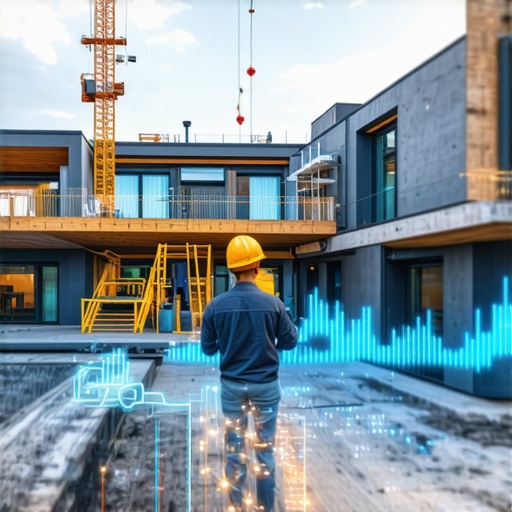
Integrating AI-powered project management tools has become a pivotal strategy for mitigating risks and predicting costs in contemporary residential construction. These sophisticated systems, capable of analyzing vast datasets in real time, empower stakeholders to preempt potential budget overruns and swiftly adapt to evolving project dynamics.
How Does Dynamic Data Integration Elevate Cost Forecasting?
Advanced AI platforms assimilate data from fluctuating material prices, labor availability, and supply chain conditions, providing highly accurate and adaptive cost predictions. This continuous data feed facilitates a proactive rather than reactive approach, enabling precise adjustments before minor issues evolve into substantial financial setbacks.
Are Machine Learning Algorithms Capable of Foreseeing Construction Risks?
Indeed, machine learning models can identify patterns indicating potential delays or budget deviations by analyzing historical project data and current market trends. Their predictive analytics offer a strategic advantage, allowing project managers to implement targeted mitigation measures swiftly.
For further insight, consulting recent publications by American Society of Civil Engineers reveals that AI-enhanced risk assessments reduce unforeseen expenditures by improving accuracy in early-stage planning.
Implementing Adaptive Scheduling and Resource Allocation
AI-driven systems facilitate real-time adjustments to project schedules by dynamically reallocating resources based on ongoing progress and emergent constraints. This flexibility optimizes workflows, minimizes idle times, and ensures adherence to budgetary targets despite unforeseen disruptions.
The Future of Risk Mitigation in Home Construction
Emerging AI applications incorporate scenario modeling, enabling stakeholders to simulate various project pathways and evaluate potential financial outcomes. These virtual stress tests inform better decision-making, fostering resilient plans that account for market volatilities and environmental considerations.
Why Harness Predictive Maintenance and Quality Control?
Predictive analytics extend beyond budgeting, enhancing quality assurance by anticipating equipment failures and material deficiencies. Pre-emptive maintenance reduces downtime and prevents costly rework, reinforcing project integrity and financial stability.
Crucial Collaboration Between Tech and Human Expertise
While AI tools deliver unparalleled analytical precision, their effectiveness hinges on human oversight. Combining technological capabilities with seasoned project management ensures nuanced judgments and contextual adjustments, leading to more reliable outcomes.
Engage with Industry Leaders to Stay Ahead
To truly leverage cutting-edge advancements, professionals should engage with thought leaders and participate in specialized forums such as Construction Tech Conferences. Continuous education and knowledge exchange accelerate adoption and maximize the strategic benefits of AI integration.
Expert Insights & Advanced Considerations
Prioritize Adaptive Systems Integration
Implementing AI tools that dynamically adjust project parameters in real time allows for responsive budget management, minimizing overruns amid fluctuating market conditions and unforeseen site challenges.
Leverage Scenario-Based Forecasting
Utilize predictive analytics to simulate various project pathways, enabling stakeholders to preemptively identify financial risks and craft resilient plans that adapt to evolving constraints.
Embed Continuous Data Feedback Loops
Establish an ongoing exchange of live project data with AI systems to refine cost predictions continuously, improving accuracy and enabling proactive decision-making at every project phase.
Emphasize Skilled Human-AI Collaboration
Combine expert judgment with AI’s data-driven insights to navigate complex project nuances, ensuring that technological recommendations are balanced with practical construction knowledge.
Integrate Cross-Functional Data Sources
Aggregate inputs from supply chains, market trends, and environmental factors into AI platforms to generate comprehensive risk assessments and cost forecasts, enhancing strategic planning.
Curated Expert Resources
- Construction Technology Review: Offers in-depth analyses of emerging AI tools tailored for residential projects, highlighting practical implementation strategies.
- McKinsey & Company Construction Reports: Features data-driven insights into efficient project management and AI integration best practices.
- American Society of Civil Engineers (ASCE) Publications: Provides research on innovative risk mitigation techniques augmented by AI.
- BuildingSMART International: Focuses on open data standards that facilitate seamless AI and BIM interoperability, crucial for integrated project management.
- National Renewable Energy Laboratory (NREL): Shares insights on sustainable building practices empowered by real-time analytics and AI tools.
Final Expert Perspective
In the realm of home construction, adopting advanced AI-driven project management tools represents a strategic imperative for achieving precise cost prediction and robust risk mitigation. Integrating these technologies enhances decision-making agility, particularly when navigating complex, market-volatile environments. For professionals committed to elevating project success rates, staying abreast of these innovations isn’t just advantageous—it’s essential. Engage with industry-leading research and participate in specialized forums to deepen your expertise, ensuring your projects remain at the cutting edge of efficiency and innovation.