
Redefining Structural Aesthetics and Functional Integrity in Modern Home Design
In the evolving landscape of residential architecture, the integration of advanced roof designs and innovative home remodeling strategies has transitioned from mere aesthetic considerations to essential components of sustainability, energy efficiency, and resilience. As industry experts analyze emerging trends, it becomes evident that leveraging cutting-edge materials and design philosophies can significantly optimize property value and longevity.
Synergizing Roof Functionality with Climate Resilience
Contemporary roof designs prioritize not only visual appeal but also compatibility with climate-driven demands, such as extreme weather events and thermal regulation. For instance, metal roofing systems, renowned for their durability and low maintenance, are increasingly integrated with solar shingle technologies to harness renewable energy while enhancing storm resistance (solar shingles: the future of sustainable roofing). This dual functionality addresses both economic and environmental objectives.
Emerging Trends in Home Renovation for Cost-Effectiveness
Experience indicates that targeted home remodels, especially in key areas like kitchens and bathrooms, offer the highest return on investment. The adoption of prefab extension projects and modular upgrades not only accelerates construction timelines but also ensures quality control, reflecting a deeper understanding of efficient resource allocation (prefabricated extensions: redefining value addition). Such strategies are vital in a competitive market seeking rapid yet sustainable improvements.
Optimizing Patio Designs for Modern Living
Patio environments are increasingly seen as integral outdoor living spaces, where permeable surface materials and fire-resistant elements contribute to safety and environmental compliance. Advanced patio designs incorporate permeable pavers that facilitate water management and reduce urban heat island effects, aligning with urban planning mandates for sustainable development (permeable surfaces for eco-friendly patios).
How Can Homeowners Leverage Advanced Roof Materials to Mitigate Climate Risks?
Addressing complex climate challenges requires a strategic selection of roofing systems that combine resilience with energy efficiency. Professional assessment is essential to determine compatibility with regional weather patterns and existing structural parameters. Consideration of materials such as high-performance membranes and insulation layers can significantly reduce damage risks and utility costs.
If you are interested in exploring innovative roofing and outdoor design strategies, consult with licensed professionals or join forums dedicated to sustainable residential construction to exchange insights and firsthand experiences.
For detailed guidance on roof leak detection techniques and how to implement them effectively, visit this expert resource.
Pioneering Materials: Beyond Traditional Roofing in a Changing Climate
As climate variability intensifies, the adoption of advanced roofing materials becomes imperative for homeowners seeking durability and energy efficiency. Materials like cool roof coatings, high-reflectance membranes, and composite composites are revolutionizing the way structures withstand extreme weather while reducing cooling costs (Roof Designs That Require Less Energy). These innovations not only extend the lifespan of roofs but also contribute to significant savings on utility bills, making them a cornerstone of sustainable home management.
Climate-Resilient Techniques: Strategies for Future-Proofing Homes
Implementing resilient roof designs involves more than selecting robust materials—it encompasses design modifications such as increased pitch, enhanced insulation, and integrated storm-proof features. For example, incorporating metal roofing systems with integrated gutter systems reduces water ingress and allergic mold growth during heavy rainfall events (Metal Roofs for Extreme Weather). Such design philosophies aim to mitigate the impacts of climate change, safeguarding property integrity and occupant safety.
Are Conventional Roofs Adequate in the Face of Escalating Climate Risks?
This critical question prompts us to reconsider the reliance on traditional roofing methods. Experts argue that integrating innovative materials and design principles is vital for adapting to the unpredictability of severe weather patterns. For instance, research from authoritative sources indicates that transitioning to fire-resistant and storm-resistant roofing systems can dramatically lower insurance premiums and reduce risk exposure (Fire-Resistant Roof Designs and Insurance Savings). Addressing this question effectively requires assessing regional climate forecasts and customizing designs to ensure maximum resilience.
Homeowners and builders are encouraged to consult with specialists who can conduct comprehensive evaluations, designing roofs tailored to specific environmental threats. For further insights into protecting your home from climate-related damages, explore detailed guides and expert opinions in dedicated forums and industry publications.
If you’re looking to deepen your understanding of climate-adapted roofing innovations, consider reading about the latest trends in stormproof metal roofs or permeable patio designs that complement resilient home strategies (Permeable Surfaces for Eco-Friendly Patios).
Harnessing Smart Roofing Solutions for Dynamic Weather Challenges
In the quest for resilient and sustainable housing, smart roofing technologies have emerged as pivotal. These systems integrate sensors, adaptive materials, and real-time data analytics to optimize performance under varying climatic conditions. For example, thermochromic coatings can alter reflectivity based on temperature fluctuations, effectively managing heat gain and loss (thermochromic roofing innovations). Such intelligent designs not only extend roof longevity but also reduce reliance on supplemental climate control systems, thereby advancing energy conservation goals.
Can Adaptive Roofing Materials Respond Effectively to Rapid Climate Variability?
Addressing this nuanced question involves understanding the responsiveness and durability of adaptive materials. Recent studies in material science reveal that phase-changing materials (PCMs) embedded within roofing layers can absorb, store, and release thermal energy depending on environmental conditions, thus maintaining interior comfort with minimal external intervention (PCM applications in roofing). Compatibility with existing structural frameworks and long-term environmental stability are critical factors influencing their widespread adoption.
For homeowners committed to leveraging cutting-edge roofing solutions, it’s vital to engage with builders and material scientists who possess expertise in integrating these technologies seamlessly into residential structures. Such collaborations ensure not only optimal performance but also adherence to local building codes and environmental regulations.
Repurposing Traditional Materials Through Nanotechnology Enhancements
Nanotechnology presents an unparalleled opportunity to augment conventional roofing materials with properties that meet the demands of a changing climate. By embedding nanoparticles during manufacturing, materials gain enhanced UV resistance, self-cleaning capabilities, and increased strength-to-weight ratios (nanotechnology advancements in roofing). These innovations demonstrate the potential to dramatically elevate the performance of everyday materials, transforming standard roofing into smart shields against environmental stressors.
Prospective users should consider the lifecycle impacts of nanomaterial integration, including potential health and environmental considerations. Rigorous testing and certification by third-party agencies are essential steps toward ensuring safety and compliance in deploying nanotech-enhanced roofing products.
Innovative Design Approaches for Future-Proofing Residential Structures
Beyond material selection, architectural design strategies play a crucial role in climate resilience. Raised roof pitches and aerodynamic forms have been shown to reduce wind uplift during storm events, while integrated venting systems improve airflow and moisture management (storm-resistant architectural features). Moreover, modular rooftop extensions equipped with reinforced framing can accommodate renewable energy arrays or green roofs, adding both resilience and environmental benefits.
Developers and designers aiming to future-proof homes must adopt a holistic approach—integrating advanced materials, intelligent systems, and adaptive architectures—to create structures capable of withstanding escalating climate stresses.
Is Hybrid Roofing the Optimal Solution for Extreme Climate Zones?
This sophisticated inquiry invites a comprehensive evaluation of various roofing paradigms. Hybrid systems—combining features like cool roof coatings, reflective membranes, and storm-resistant layers—offer tailored solutions addressing specific local hazards such as heatwaves, heavy snowfall, or hurricane-force winds (hybrid roofing strategies). Implementing such multifaceted designs requires meticulous planning, cross-disciplinary expertise, and access to innovative materials, underscoring the importance of specialized consultation for homeowners in high-risk regions.
Beyond Conventional Wisdom: The Role of Dynamic Materials in Modern Roofing
As climate variability intensifies, the adoption of advanced roofing materials becomes imperative for homeowners seeking durability and energy efficiency. Materials like cool roof coatings, high-reflectance membranes, and composite composites are revolutionizing the way structures withstand extreme weather while reducing cooling costs (Roof Designs That Require Less Energy). These innovations not only extend the lifespan of roofs but also contribute to significant savings on utility bills, making them a cornerstone of sustainable home management.
Strategies for Building Climate-Resilient Roofs: A Deep Dive into Design and Material Synergy
Implementing resilient roof designs involves more than selecting robust materials—it encompasses design modifications such as increased pitch, enhanced insulation, and integrated storm-proof features. For example, incorporating metal roofing systems with integrated gutter systems reduces water ingress and allergic mold growth during heavy rainfall events (Metal Roofs for Extreme Weather). Such design philosophies aim to mitigate the impacts of climate change, safeguarding property integrity and occupant safety.
Could Multi-Layered Roofing Systems Be the Future of Climate Adaptation?
This question invites exploration into innovative multilayer roofing approaches, which combine insulation, waterproofing, and reflective layers to enhance resilience. Experts suggest that these composite systems can adapt dynamically to changing weather patterns, offering customizable protection against temperature extremes, heavy precipitation, and wind uplift (Multilayer Roofing Innovations). Investing in such sophisticated structures may seem cost-intensive initially, but the long-term benefits in resilience and energy savings justify the expenditure.
The Science Behind Self-Healing Coatings and Their Impact on Roof Longevity
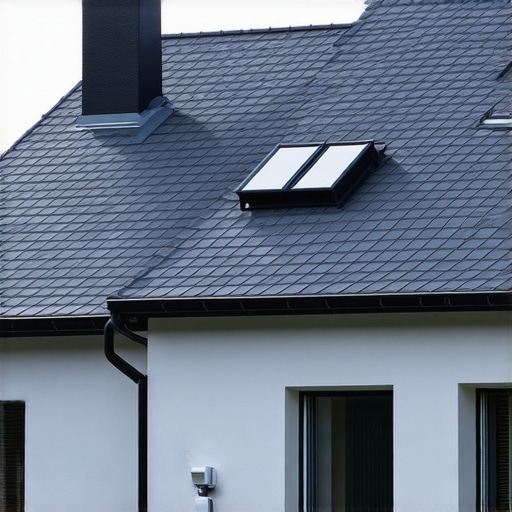
Emerging nanotechnologies enable the development of self-healing roofing coatings, which automatically repair minor cracks and fissures caused by thermal expansion and contraction. By embedding microcapsules of restorative agents within the coating matrix (self-healing nanomaterials), roofs can maintain integrity over decades, drastically reducing maintenance costs and extending functional lifespan. Such advancements promise a new era of maintenance-free durability, especially vital in regions prone to volatile weather systems.
Integrating Smart Sensor Technologies for Proactive Roof Management
The advent of IoT (Internet of Things) in roofing architecture enables real-time monitoring of structural health. Sensors embedded within roofing systems can detect early signs of damage, moisture intrusion, or temperature anomalies, sending alerts to property managers or homeowners (Smart Roof Monitoring). This proactive approach facilitates timely interventions, preventing minor issues from evolving into catastrophic failures, ultimately preserving property values amid climatic uncertainties.
In the realm of contemporary residential architecture, adopting groundbreaking roofing solutions not only enhances aesthetic appeal but also fortifies homes against climate challenges. As professionals explore the frontiers of material science and design, the pivotal role of adaptive, resilient roofing becomes undeniable.
Leverage Dynamic Materials for Climate Adaptation
Homeowners should prioritize materials like phase-changing composites and nanostructured coatings that respond intelligently to environmental shifts, providing insulation when needed and reflecting heat during peak summer. These advancements can significantly reduce energy costs and extend roof longevity.
Integrate Smart Systems for Proactive Maintenance
Embedding IoT sensors within roofing layers enables real-time health monitoring, delivering early alerts for potential damage or moisture intrusion. Such proactive measures prevent costly repairs and maintain structural integrity amid increasing weather volatility.
Design for Extreme Weather Events Naturally
Architects are innovating by designing roof pitches and aerodynamically optimized forms that deflect high winds and manage stormwater efficiently. Coupling these with reinforced materials creates a fortress-like barrier against climate extremes.
Adopt Multi-Faceted Roof Layers for Future Readiness
Layered systems combining insulation, reflective surfaces, and waterproof membranes offer customizable resilience. These multilayered approaches adapt seamlessly to evolving environmental threats, making them a strategic choice for forward-thinking homeowners.
Explore Sustainability Through Material Innovation
Incorporating nanotechnology-augmented coatings and self-healing composites not only prolongs lifespan but also aligns with eco-conscious building practices. The integration of these cutting-edge materials symbolizes a shift toward resilient yet sustainable home ecosystems.